

Печать (жикле) или холст музейного качества с быстрыми сроками изготовления и широким выбором вариантов отделки. ( Купить картину ручной работы Купить изображение)





























Выберите один из наших стандартных размеров, соответствующих оригинальным пропорциям произведения искусства.

Вы можете указать свои собственные размеры, чтобы репродукция идеально подошла под конкретную раму или пространство. Если выбранный вами размер не будет соответствовать пропорциям оригинала, мы либо обрежем произведение, либо дополним изображение зеркальным отражением краев или однотонной заливкой. Перед началом производства вам будет отправлен цифровой макет для утверждения.
Пожалуйста, обратите внимание, что предварительный просмотр на экране не отображает фактическую обрезку или расширение изображения. Только макет точно покажет финальную композицию.
Несмотря на возможность заказа индивидуальных размеров, мы рекомендуем выбирать размер из предопределенного списка, чтобы сохранить оригинальные пропорции.
Доставка по всему миру () за 2 недели вместо стандартных 4/5 недель. (22 Август)


Self-portrait
Размер репродукции
Anton Pilgram's "Self-Portrait," painted around 1510, is more than just a depiction of an artist; it’s a profound meditation on identity, faith, and the very act of creation. Housed within the rough-hewn stone of a niche in what was once Brno’s City Hall, this unassuming work possesses a remarkable power to draw the viewer into its contemplative depths. The sculpture, crafted from local limestone, presents a figure – Pilgram himself – peering out from an implied window, his gaze directed towards the viewer with an almost unnerving intensity.
The portrait immediately establishes a sense of intimacy, a rare occurrence in art of that era. Pilgram isn’t formally posed; he's not offering a grand gesture or a proud display of wealth. Instead, he appears remarkably ordinary – wearing a simple hat that partially obscures his ears, a detail suggesting a deliberate attempt to downplay the artist’s status and focus on the individual within. The weathered texture of his face, etched with lines of age and experience, speaks volumes about the passage of time and the weight of artistic endeavor. The inclusion of the architectural elements – the column to the left and the symbolic carving above – subtly anchors the figure within a broader context of civic responsibility and religious devotion, reflecting Pilgram’s role as both an artist and a craftsman deeply embedded in his community.
Pilgram's work represents a fascinating transitional moment in art history. Born around 1460 in Brno, he honed his skills initially as a stonemason in Vienna before finding his artistic voice within the Swabian region of Germany. This period exposed him to both the enduring traditions of late Gothic sculpture and the burgeoning innovations of the Renaissance. His style is characterized by a remarkable blend of these influences – the solidity and expressive power of Gothic figures combined with a growing awareness of perspective, naturalism, and human emotion. The portrait itself exemplifies this synthesis; it’s simultaneously grounded in medieval artistic conventions while hinting at the emerging humanist ideals that would define the Renaissance.
The choice of limestone as the medium is significant. Stone, traditionally associated with permanence and faith, lends a sense of gravitas to the image. It also speaks to Pilgram's connection to his local environment and his role in shaping the physical landscape of Brno. The rough texture of the stone contrasts sharply with the meticulously rendered details of the face – the wrinkles, the hair, the subtle nuances of expression – creating a compelling tension between the material world and the inner life of the artist.
The most striking element of the portrait is undoubtedly the implied window. It’s not a literal opening but rather a visual device that invites us to contemplate the figure's interiority. Pilgram’s gaze, directed outwards, suggests a yearning for connection, a desire to share his thoughts and feelings with the viewer. The positioning of the figure within the niche can be interpreted as a metaphor for the artist’s role – acting as a conduit between the divine (represented by the carving above) and the human world.
The hat worn by Pilgram is also noteworthy. It's a common fashion element of the period, but its presence here adds to the portrait’s sense of humility and introspection. It suggests that the artist is not seeking to impress or elevate himself, but rather inviting us to see him as an ordinary human being grappling with profound questions about life, art, and faith. The compass held in his hand further reinforces this idea – a symbol of guidance, direction, and the pursuit of knowledge.
Anton Pilgram’s “Self-Portrait” is a remarkably intimate and evocative work that continues to resonate with viewers centuries after its creation. It's a testament to the enduring power of self-reflection and a poignant reminder of the artist’s unique role in capturing the complexities of human experience. Reproductions of this piece offer a valuable opportunity to bring this profound meditation into any space, inviting contemplation and sparking dialogue about identity, faith, and the timeless allure of art.

1460 - 1516 , Czech Republic
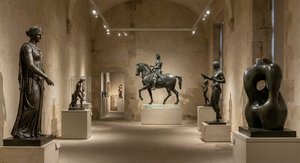
Погрузитесь в мир великих бронзовых скульптур! От Давида Микеланджело до работ Родена – история искусства, техники и вдохновения. Купите репродукции шедевров для вашего интерьера на BuyPopArt.com

Explore the rich history of sculpture from ancient masterpieces to contemporary innovations. Discover key techniques, influential artists & investment potential for discerning art collectors.

Explore the fascinating history of self-portraiture from Renaissance masters like Dürer & Rembrandt to modern interpretations. Discover the psychological insights and artistic techniques behind these iconic works. Expert analysis for art enthusiasts.
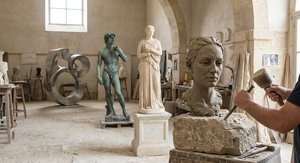
Explore the rich history of sculpture with BuyPopArt. Discover key techniques, influential artists & investment potential for discerning collectors. Expert insights into valuing and collecting timeless masterpieces.

Погрузитесь в мир великих бронзовых шедевров! От Давида Донателло до Мыслителя Родена – узнайте историю создания, технику и значение легендарных скульптур. Вдохновение для интерьера и музейное качество репродукций на BuyPopArt.com.


Будьте в курсе последних новостей из мира искусства, эксклюзивных предложений и идей для оформления интерьера.
Расскажите нам о вашем проекте, и наши эксперты по искусству предложат вам 3 персонализированных варианта произведений искусства.
Мы подберем для вас 3 варианта — бесплатно!


 Предпросмотр
 Поделиться
 Поделиться
 Детали произведения

 Скачать
 Похожие работы
 Рентгенография
 Слайд-шоу


 Читать далее







 Вариант со стеклом доступен только для размеров менее 110 см


