AcrylicWallArtGeometric Abstraction
 1918
1918 65.0 x 81.0 cm
Печать (жикле) или холст музейного качества с быстрыми сроками изготовления и широким выбором вариантов отделки. ( Купить картину ручной работы Купить изображение)





























Выберите один из наших стандартных размеров, соответствующих оригинальным пропорциям произведения искусства.

Вы можете указать свои собственные размеры, чтобы репродукция идеально подошла под конкретную раму или пространство. Если выбранный вами размер не будет соответствовать пропорциям оригинала, мы либо обрежем произведение, либо дополним изображение зеркальным отражением краев или однотонной заливкой. Перед началом производства вам будет отправлен цифровой макет для утверждения.
Пожалуйста, обратите внимание, что предварительный просмотр на экране не отображает фактическую обрезку или расширение изображения. Только макет точно покажет финальную композицию.
Несмотря на возможность заказа индивидуальных размеров, мы рекомендуем выбирать размер из предопределенного списка, чтобы сохранить оригинальные пропорции.
Доставка по всему миру () за 2 недели вместо стандартных 4/5 недель. (13 Август)


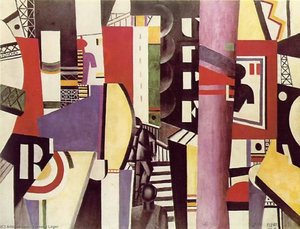
The Station
Размер репродукции
Fernand Léger's "The Station," completed in 1918, isn’t merely a depiction of a train station; it’s an embodiment of the anxieties and aspirations surrounding the burgeoning industrial revolution. Painted during a period marked by profound societal transformation – the aftermath of World War I and the rapid expansion of mechanized production – Léger sought to translate the relentless rhythm of this new era into a visual language that defied traditional representation.
The painting’s creation coincided with a pivotal moment in European history. The devastation wrought by World War I fueled debates about progress and destruction, prompting artists to grapple with how to represent the complexities of modernity. Léger wasn't simply documenting a place; he was articulating a feeling—a sense of unease mingled with optimism—about humanity’s relationship with technology.
"The Station" speaks powerfully to the concerns of its time regarding urbanization and the dehumanizing effects of industrialization. However, Léger’s vision transcends mere critique. He presents these forms as symbols of dynamism and potential, suggesting that even within rigid geometric structures lies an inherent energy.
While Léger's dominant stylistic approach is geometric abstraction, subtle symbolic elements enrich the artwork’s narrative. The prominent clock in the upper right corner serves as a visual reminder of time—a concept often associated with mortality and change—but also represents the relentless march forward of industrial progress. The figures themselves are stylized representations of human beings, reduced to simplified forms that convey movement and anonymity.
"The Station" isn’t intended to evoke emotional sentimentality; rather, it aims to provoke contemplation about the human condition within a technologically driven world. Léger's bold colors and textured surface contribute to an atmosphere of energy and immediacy, mirroring the pulse of the station itself. Ultimately, the painting invites viewers to consider how art can capture not just what we see but also what we *feel*—the anxieties and hopes inherent in embracing the transformative forces shaping our lives.
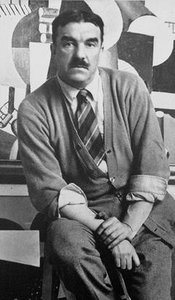
1881 - 1955 , Франция

Discover the power of Neo-Abstract art. Explore how bold geometric forms and high-impact visual energy are redefining modern design. Learn to curate sophisticated, high-energy spaces with the latest trends in contemporary abstraction and structural color.

Discover the high-impact world of Geometric Abstraction. From Cubist roots to modern urban trends, explore how bold shapes and colors redefine contemporary design. Elevate your space with expert art insights and custom-made abstract masterpieces.

Master the high-impact world of contemporary abstraction. Discover how bold colors, textures, and modern movements like Abstract Expressionism can transform your space with premium, high-energy art curated for the design-conscious professional.


Будьте в курсе последних новостей из мира искусства, эксклюзивных предложений и идей для оформления интерьера.
Расскажите нам о вашем проекте, и наши эксперты по искусству предложат вам 3 персонализированных варианта произведений искусства.
Мы подберем для вас 3 варианта — бесплатно!


 Предпросмотр
 Поделиться
 Поделиться
 Детали произведения

 Скачать
 Похожие работы
 Рентгенография
 Слайд-шоу
 Читать далее







 Вариант со стеклом доступен только для размеров менее 110 см