Печать (жикле) или холст музейного качества с быстрыми сроками изготовления и широким выбором вариантов отделки. ( Перейти к заказу ручной росписи Переключиться на изображение)





























Выберите один из наших стандартных размеров, соответствующих оригинальным пропорциям произведения искусства.

Вы можете указать свои собственные размеры, чтобы репродукция идеально подошла под конкретную раму или пространство. Если выбранный вами размер не будет соответствовать пропорциям оригинала, мы либо обрежем произведение, либо дополним изображение зеркальным отражением краев или однотонной заливкой. Перед началом производства вам будет отправлен цифровой макет для утверждения.
Пожалуйста, обратите внимание, что предварительный просмотр на экране не отображает фактическую обрезку или расширение изображения. Только макет точно покажет финальную композицию.
Несмотря на возможность заказа индивидуальных размеров, мы рекомендуем выбирать размер из предопределенного списка, чтобы сохранить оригинальные пропорции.
Доставка по всему миру () за 2 недели вместо стандартных 4/5 недель. (9 Август)


Beech
Размер репродукции
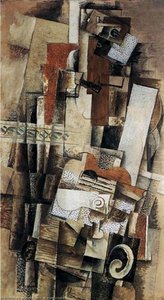
Georges Braque’s “Beech,” painted in 1906, isn’t merely a depiction of a woodland scene; it’s a profound exploration of perception and the very nature of representation. Born amidst the burgeoning artistic ferment of early 20th-century Paris, Braque was deeply influenced by Paul Cézanne's radical approach to capturing form – his insistence on analyzing objects into their fundamental geometric components. “Beech” embodies this legacy, yet it transcends simple imitation, forging a distinctly Cubist vision that simultaneously dismantles and reassembles the familiar world.
The painting immediately arrests the eye with its muted palette—a symphony of grays, ochres, and subtle blues – creating an atmosphere of quiet contemplation. It’s not a vibrant, celebratory landscape; rather, it possesses a melancholic beauty, suggesting a scene viewed through a veil of memory or perhaps even dream. The dominant tree, the beech itself, is rendered with fragmented planes and overlapping perspectives, its form dissolving into a series of interlocking geometric shapes. This isn't an attempt to create photographic realism, but instead to convey the *experience* of seeing – how our eyes perceive multiple viewpoints simultaneously.
Braque’s approach aligns closely with the principles of early Cubism, a movement he co-founded with Pablo Picasso. Cubists rejected traditional single-point perspective, opting instead to present objects from various angles at once. This technique creates an illusion of depth and volume through the layering of shapes and planes. In “Beech,” we see not just one beech tree, but several simultaneous views of it – a trick of the eye that challenges our ingrained assumptions about how things are supposed to look. The rough edges and uneven canvas suggest a deliberate rejection of smooth surfaces and polished finishes, reflecting the movement’s desire to break free from academic conventions.
Beyond its purely formal innovations, “Beech” carries a subtle symbolic weight. Beech trees are often associated with resilience, longevity, and strength – qualities mirrored in the painting’s solid, grounded presence despite its fragmented form. The inclusion of what appears to be a stream or river winding through the landscape adds an element of fluidity and movement, suggesting the passage of time and the interconnectedness of nature. The splash of red—a small, almost defiant burst of color—could represent life force, vitality, or perhaps even a hint of human presence within this otherwise austere environment.
Furthermore, the painting’s title itself – “Beech” – is significant. It's not simply naming the subject; it’s anchoring the abstraction in a tangible reality, inviting us to contemplate the essence of the tree and its place within the broader landscape. The artist’s signature, visible on the lower right corner, reinforces this connection, reminding us that we are looking at an original work created by a master of modern art.
“Beech” stands as a pivotal work in the development of Cubism and a testament to Braque’s pioneering spirit. It demonstrates his willingness to experiment with new techniques and challenge established artistic conventions, paving the way for future generations of artists. Reproductions of this painting offer a captivating glimpse into the mind of one of the 20th century's most influential figures – an artist who redefined our understanding of space, form, and representation. Its enduring appeal lies in its ability to simultaneously challenge and soothe, inviting viewers to engage with the complexities of perception and the beauty of the natural world.
Жорж Брак, родившийся в Аржантёе, Франция, в 1882 году, вступил на путь, неразрывно связанный с развитием ландшафта современного искусства. Его воспитание в семье маляров и декораторов привило ему не только техническое мастерство владения материалами, но и раннее чувство формы и структуры. Хотя поначалу он следовал ремеслу своего отца, врожденная художественная склонность вскоре привела его к формальному обучению в Эколе де Бозар-ар в Гавре, что ознаменовало начало его пути к становлению одним из самых влиятельных живописцев XX века. Этот фундамент — сочетание практического мастерства и академического обучения — оказался решающим, когда позже он начал деконструило и переосмысливать традиционные художественные каноны.
Переехав в Париж в 1902 году, Брак продолжил свое обучение в Академии Юмбер, погружаясь в яркую художественную среду города. Именно здесь он встретил таких художников, как Мари Лорансен и Франсис Пикабиа, установив связи, которые определят его раннее развитие. Его первые работы отражали преобладающее влияние импрессионизма и постимпрессионизма, но судьбоносная встреча с дерзким цветом и экспрессивной свободой фовизма в 1905 году зажгла новое направление в его творческих поисках.
Принятие Браком принципов фовизма, характеризующихся интенсивным, ненатуралистичным цветом и эмоциональной выразительностью, ярко воплощено в таких картинах, как Терпение. В этот период он работал бок о бок с такими мастерами, как Анри Матисс и Андре Дерен, экспериментируя с яркой палитрой и упрощенными формами. Однако увлечение Брака фовизмом не было простым подражанием; он наполнил его уникальной чувственностью, смягчая необузданную экспрессию движения более сдержанным и аналитическим подходом.
Переломный момент наступил в 1907 году после посещения ретроспективной выставки работ Поля Сезанна. Акцент Сезанна на геометрических формах и множественности перспектив оказал глубокое влияние на Брака, подготовив почву для его новаторского сотрудничества с Пабло Пикассо. Начиная с 1908 года, эти два титана искусства вступили в период интенсивного интеллектуального обмена, который породил кубизм — революционное движение, разрушившее традиционные представления о репрезентации.
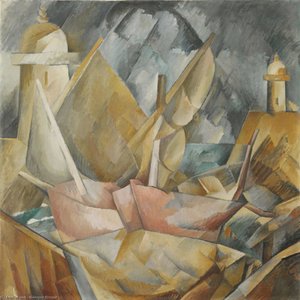
Вместе Брак и Пикассо разработали аналитический кубизм, расчленяя объекты на фрагментированные геометрические фигуры и представляя несколько точек зрения одновременно. Такие работы, как Дома в Л’Эстаке, демонстрируют эту раннюю фазу, показывая радикальный отход от привычной перспективы и сосредоточенность на внутренней структуре форм. Их палитра стала намеренно приглушенной, отдавая приоритет форме, а не цвету, поскольку они стремились передать полноту присутствия объекта, а не просто его внешнее проявление.
Партнерство Брака и Пикассо продолжало раздвигать границы художественного самовыражения, что привело к развитию синтетического кубизма около 1912 года. Этот этап ознаменовался введением коллажа — включением материалов реального мира, таких как газетные вырезки, обои и ткань, в полотна. Эта инновация бросила вызов традиционной иерархии между живописью и скульптурой, размывая границы между искусством и жизнью.
Новаторское использование Браком техники *papier collé* (аппликация из бумаги) стало важным поворотным моментом в его творческой эволюции. Интегрируя фрагменты повседневных предметов в свои композиции, он нарушил иллюзорное пространство традиционной живописи и привнес новый уровень материальности и текстуры. Эта техника не только расширила формальные возможности искусства, но и отразила растущий интерес к взаимосвязи между изображением и реальностью.
Начало Первой мировой войны в 1914 году прервало это интенсивное сотрудничество, так как Брак был призван на военную службу. Его военный опыт глубоко повлиял на его художественное видение, побудив его исследовать более личные и лирические темы в своих послевоенных работах.
После войны стиль Брака эволюционировал за пределы строгих рамок кубизма, вобрав в себя элементы классической композиции и обновленный интерес к натюрморту. Сохраняя геометрические влияния, определявшие его ранние работы, он разработал более нюансированный и созерцательный подход к живописи. Его поздние пейзажи и интерьеры характеризуются безмятежной атмосферой и тонкой гармонией цвета.
На протяжении всей своей карьеры Брак оставался верным исследованию фундаментальных принципов формы, пространства и репрезентации. Он продолжал экспериментировать с различными материалами и техниками, раздвигая границы художественного самовыражения вплоть до своей смерти в 1963 году. Его влияние на последующие поколения художников неизмеримо: он сформировал курс современного искусства и вдохновил бесчисленное множество живописцев, скульпторов и мастеров коллажа.
Наследие Жоржа Брака выходит за рамки его отдельных произведений; он фундаментально изменил наше понимание того, как мы воспринимаем и представляем окружающий нас мир. Его дух сотрудничества с Пикассо в сочетании с собственным уникальным художественным видением закрепил за ним место истинного пионера модернизма — мастера, который осмелился бросить вызов условностям и переопределить возможности живописи.
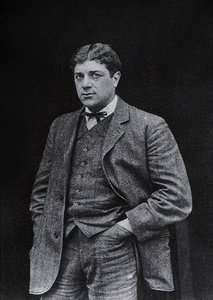
1882 - 1963 , Франция

Explore the captivating landscapes of Alfred Worthington (1834-1927), a pivotal figure bridging Victorian realism & early Impressionism. Discover his Welsh hunting scenes, artistic evolution, and collecting guide.

Explore the life & art of George Barret Sr., a pioneer of British pastoral painting. Discover his influence on Romantic landscape art, patronage, and collecting tips from BuyPopArt.

Explore the captivating landscapes of George Elbert Burr, a pioneer of American Tonalism. Discover his masterful etchings, drypoints & watercolors – and learn about collecting this influential artist's work.

Explore the evolution of cityscape painting from Realism to contemporary art with BuyPopArt. Discover key artists & invest in timeless urban visions. Expert guidance, museum-quality reproductions.

Explore the rich history of trees in painting! Discover symbolism, Romantic masterpieces by Caspar David Friedrich & beyond. A curated journey for art enthusiasts.


Будьте в курсе последних новостей из мира искусства, эксклюзивных предложений и идей для оформления интерьера.
Расскажите нам о вашем проекте, и наши эксперты по искусству предложат вам 3 персонализированных варианта произведений искусства.
Мы подберем для вас 3 варианта — бесплатно!


 Предпросмотр
 Поделиться
 Поделиться
 Детали произведения

 Скачать
 Похожие работы
 Рентгенография
 Слайд-шоу
 Читать далее







 Вариант со стеклом доступен только для размеров менее 110 см