

 Acrylic On CanvasWallArtNeoclassical Movement
 High Medieval
 121.0 x 170.0 cm
Приобретите цифровое изображение высокого разрешения в улучшенном качестве, которое значительно превосходит онлайн-превью.
Каждый файл тщательно подготавливается нашими специалистами с использованием передовых инструментов и экспертной ручной ретуши. Мы гарантируем исключительную четкость, точную цветопередачу и детальную проработку каждого изображения.
Финальный файл доставляется по электронной почте в течение 72 часов и оптимизирован для немедленного использования в профессиональной среде, при верстке и печати. Это тот же уровень качества, которому доверяют ведущие дизайнерские студии, издательства и галереи.
Скачайте файл высокого разрешения для личного использования, печати и творческих проектов. ( Купить принт Купить картину ручной работы)
Выбирая BuyPopArt.com, вы получаете не просто изображение — вы приобретаете профессионально обработанное цифровое произведение искусства, созданное с безупречной точностью и под защитой гарантии качества. Вот всё, что автоматически входит в ваш заказ:

Ваш цифровой файл в высоком разрешении будет отправлен вам по электронной почте в течение 72 часов после оформления заказа — и сразу станет доступен для использования.

Ваше произведение искусства проходит профессиональную оптимизацию с использованием передовых инструментов ИИ и ручной обработки, что гарантирует максимальную детализацию, четкость и точность цветопередачи.

Случайно удалили или потеряли файл? Не беспокойтесь — мы отправим его вам повторно в любое время и совершенно бесплатно.

Наслаждайтесь вашим произведением искусства мгновенно без таможенных пошлин, сборов или затрат на доставку — цифровые загрузки всегда не облагаются налогом.

Мы гарантируем, что ваше цифровое изображение максимально точно передает оригинальные цвета благодаря использованию профессиональных инструментов и систем управления цветом.

Если вы останетесь не удовлетворены покупкой цифрового изображения, мы внесем в него правки или вернем 100% стоимости в течение 60 дней — без лишних вопросов.

Не удовлетворены покупкой? Мы гарантируем полный возврат средств в течение 60 дней после получения вашего цифрового файла — без лишних вопросов.

Купите 3 изображения, сэкономьте 10% — Купите 5, сэкономьте 15% — Купите 10+, сэкономьте 20%. Отличное решение для творческих проектов, галерей и агентств.
Jacques-Louis David’s “Patrocles,” painted in 1780 and now residing within the Musée Thomas-Henry in Cherbourg-en-Cotentin, France, is more than a mere depiction of a nude male form; it's a profound meditation on heroism, sacrifice, and the enduring power of classical ideals. This monumental work, rendered with David’s signature Neoclassical precision, immediately commands attention through its sheer scale – measuring 121 x 170 cm – and the arresting physicality of its central figure. The composition is strikingly simple yet profoundly effective: a powerfully built man lies prone on a rock, his back turned to the viewer, exposing an anatomy sculpted with meticulous detail and bathed in dramatic chiaroscuro lighting.
David’s artistic journey was one of deliberate transformation. Initially influenced by the opulent frivolity of Rococo painting under François Boucher, he sought a more rigorous aesthetic rooted in antiquity. This shift culminated in his embrace of Neoclassicism, a movement characterized by its reverence for ancient Greek and Roman art and architecture. “Patrocles” embodies this ethos perfectly, drawing inspiration from classical sculpture while simultaneously imbuing the subject with an intensely human drama. The pose itself—a deliberate echo of depictions of fallen heroes found in Roman statues—immediately evokes notions of stoicism, resilience, and ultimate sacrifice.
The painting’s technical brilliance lies in David's masterful manipulation of light and shadow, a technique he honed by studying the dramatic lighting employed by Caravaggio. The stark contrast between illuminated muscle mass and deep shadows creates an astonishing sense of volume and weight, lending the figure an almost sculptural quality. Notice how the light emphasizes the contours of his torso, highlighting the strength and power of his physique—a deliberate reference to the idealized male form celebrated in classical art. The subtle variations in tone suggest a complex understanding of anatomy and a keen eye for capturing the nuances of human musculature.
Beyond the technical prowess, David’s use of color is equally significant. The palette is restrained – primarily earthy tones of ochre, brown, and gray—further emphasizing the painting's classical austerity. This deliberate lack of vibrant hues reinforces the sense of timelessness and elevates the subject beyond mere physical beauty, suggesting instead a profound connection to enduring values.
“Patrocles” is not simply a nude study; it’s an illustration drawn from Homer's *Iliad*, depicting the legendary warrior Patroclus, Achilles’ dearest friend. The story recounts how Patroclus was killed in battle, and his body was subsequently desecrated by Hector of Troy. David’s painting captures the moment after death—a poignant depiction of vulnerability and acceptance. This narrative context adds layers of meaning to the image, transforming it into a meditation on mortality, loyalty, and the tragic consequences of war.
Painted during a period of significant social and political upheaval in France – just before the French Revolution – “Patrocles” reflects the era’s yearning for order, reason, and moral clarity. David's embrace of classical ideals offered a powerful antidote to the perceived excesses of the Rococo style and provided a visual vocabulary for expressing republican values. The painting served as a potent symbol of strength, virtue, and civic duty—qualities that resonated deeply with those seeking to establish a new order in France.
“Patrocles” stands as a cornerstone of Jacques-Louis David’s oeuvre and a defining example of Neoclassical art. Its influence can be seen in countless subsequent works, shaping the visual language of European painting for decades to come. The image's enduring appeal lies not only in its technical mastery but also in its profound exploration of human emotion and timeless themes. Today, reproductions of this powerful artwork offer a unique opportunity to experience the grandeur and intellectual depth of David’s vision—a testament to the lasting legacy of Neoclassicism.
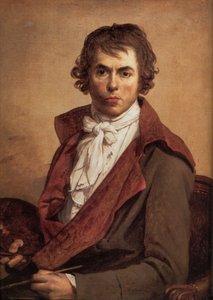
1748 - 1800 , Франция


Будьте в курсе последних новостей из мира искусства, эксклюзивных предложений и идей для оформления интерьера.
Расскажите нам о вашем проекте, и наши эксперты по искусству предложат вам 3 персонализированных варианта произведений искусства.
Мы подберем для вас 3 варианта — бесплатно!


 Предпросмотр
 Поделиться
 Поделиться
 Детали произведения

 Скачать
 Похожие работы
 Рентгенография
 Слайд-шоу
 Читать далее