LithographyNaive Primitivism
 1966Modern
 31.0 x 26.0 cm
Картина маслом на холсте в выбранном вами размере и раме, написанная на заказ нашими художниками. ( Перейти к печати Переключиться на изображение)





























Выберите один из наших стандартных размеров, соответствующих оригинальным пропорциям произведения искусства.

Вы можете указать собственные размеры, чтобы картина идеально вписалась в выбранную раму или пространство. Если выбранный вами размер не соответствует пропорциям оригинала, мы либо обрежем полотно, либо расширим его за счет дополнительных элементов, написанных вручную. Цифровой макет будет отправлен вам на утверждение перед началом производства.
Обратите внимание, что предварительный просмотр на экране не отражает фактическую обрезку или расширение. Только макет точно покажет окончательную композицию.
Хотя доступны индивидуальные размеры, мы рекомендуем выбирать вариант из предопределенного списка, чтобы сохранить исходные пропорции.
Доставка по всему миру () за 3–4 недели вместо стандартных 5 недель. (10 Август). Без компромиссов в качестве.


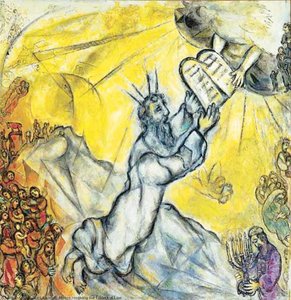
Ten Commandements
Размер репродукции
Marc Chagall’s 1966 lithograph, “Ten Commandements,” is more than just a depiction of biblical narrative; it’s a profound meditation on faith, memory, and the enduring power of childhood dreams. Executed in a style that leans heavily into naive or primitivist aesthetics – a hallmark of Chagall's later work – this piece invites viewers to step into a world where reality blends seamlessly with fantastical imagery. The image itself presents a solitary figure, a man draped in a vibrant red robe, holding two luminous white objects within his hands. His gaze is fixed upon them with an intensity that suggests both reverence and childlike wonder. This isn't a formal, academic rendering of the Ten Commandments; rather, it’s a deeply personal interpretation filtered through Chagall’s unique artistic lens.
Born Moishe Shagal in 1887 in Liozna, Belarus – a town that would forever remain etched within his artistic consciousness – Chagall's early life profoundly shaped his oeuvre. Liozna, with its distinctive blend of Russian Orthodox and Jewish cultural influences, provided the fertile ground for his imaginative world. This lithograph powerfully evokes this formative environment; the red robe, a frequent motif in his work, alludes to the traditional attire of Hasidic Jews, while the luminous objects could represent the sacred texts or perhaps simply the pure light of faith itself. The scene feels intensely intimate, as if we are witnessing a private moment of contemplation – a return to the foundational beliefs of his youth.
Created in 1966 using lithography, “Ten Commandements” demonstrates Chagall’s masterful command of this printmaking technique. Lithography relies on a chemical process that allows for subtle gradations of tone and texture, creating an effect remarkably similar to painting. The resulting image is characterized by its soft edges, dreamlike atmosphere, and vibrant color palette – a deliberate choice reflecting Chagall's desire to capture the emotional essence of his subjects rather than striving for photographic realism. The technique lends itself perfectly to conveying the ethereal quality of memory and the fantastical elements that populate his art.
The two white objects held by the figure are open to interpretation, adding another layer of complexity to this already rich artwork. They could represent the tablets containing the Ten Commandments, or perhaps they symbolize innocence, purity, and the unwavering belief that guided Chagall’s life. The man's solitary presence amplifies the sense of introspection and spiritual yearning inherent in the work. Chagall frequently employed symbolism to convey deeper meanings, inviting viewers to engage with the artwork on a personal level. This piece is not simply about religious law; it’s about the human search for meaning and truth.
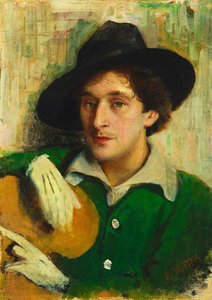
1887 - 1985 , Беларусь

Discover BuyPopArt.com's premium poster prints. Featuring 12-color pigment technology and museum-grade substrates, our versatile, high-fidelity prints offer vivid colors and archival quality for sophisticated modern decor. Elevate your space with professional art solutions.

Level up your space with high-impact lithography and graphic art. From Warhol-inspired pop prints to bold street art aesthetics, discover how to curate a visually powerful collection that defines your personal brand and urban style.

Master the art of decorating with impact. Our expert guide decodes Giclée prints, exploring archival quality, pigment-based inks, and how to choose between high-fidelity reproductions and hand-painted oils for a bold, museum-grade aesthetic in your space.


Будьте в курсе последних новостей из мира искусства, эксклюзивных предложений и идей для оформления интерьера.
Расскажите нам о вашем проекте, и наши эксперты по искусству предложат вам 3 персонализированных варианта произведений искусства.
Мы подберем для вас 3 варианта — бесплатно!


 Предпросмотр
 Поделиться
 Поделиться
 Детали произведения

 Скачать
 Похожие работы
 Рентгенография
 Слайд-шоу
 Читать далее







 Вариант со стеклом доступен только для размеров менее 110 см