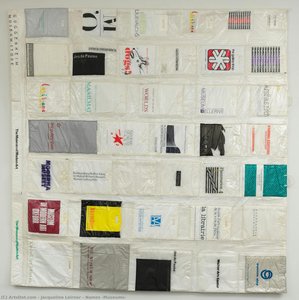
1990
1990 74.0 x 108.0 cm
Приобретите цифровое изображение высокого разрешения в улучшенном качестве, которое значительно превосходит онлайн-превью.
Каждый файл тщательно подготавливается нашими специалистами с использованием передовых инструментов и экспертной ручной ретуши. Мы гарантируем исключительную четкость, точную цветопередачу и детальную проработку каждого изображения.
Финальный файл доставляется по электронной почте в течение 72 часов и оптимизирован для немедленного использования в профессиональной среде, при верстке и печати. Это тот же уровень качества, которому доверяют ведущие дизайнерские студии, издательства и галереи.
Скачайте файл высокого разрешения для личного использования, печати и творческих проектов. ( Купить принт Купить картину ручной работы)
Выбирая BuyPopArt.com, вы получаете не просто изображение — вы приобретаете профессионально обработанное цифровое произведение искусства, созданное с безупречной точностью и под защитой гарантии качества. Вот всё, что автоматически входит в ваш заказ:

Ваш цифровой файл в высоком разрешении будет отправлен вам по электронной почте в течение 72 часов после оформления заказа — и сразу станет доступен для использования.

Ваше произведение искусства проходит профессиональную оптимизацию с использованием передовых инструментов ИИ и ручной обработки, что гарантирует максимальную детализацию, четкость и точность цветопередачи.

Случайно удалили или потеряли файл? Не беспокойтесь — мы отправим его вам повторно в любое время и совершенно бесплатно.

Наслаждайтесь вашим произведением искусства мгновенно без таможенных пошлин, сборов или затрат на доставку — цифровые загрузки всегда не облагаются налогом.

Мы гарантируем, что ваше цифровое изображение максимально точно передает оригинальные цвета благодаря использованию профессиональных инструментов и систем управления цветом.

Если вы останетесь не удовлетворены покупкой цифрового изображения, мы внесем в него правки или вернем 100% стоимости в течение 60 дней — без лишних вопросов.

Не удовлетворены покупкой? Мы гарантируем полный возврат средств в течение 60 дней после получения вашего цифрового файла — без лишних вопросов.

Купите 3 изображения, сэкономьте 10% — Купите 5, сэкономьте 15% — Купите 10+, сэкономьте 20%. Отличное решение для творческих проектов, галерей и агентств.
Moshe Kupferman (1926-2003) stands as a profoundly significant figure in Israeli art, his work inextricably linked to the harrowing experiences of his youth and the subsequent forging of a unique artistic voice. Born in Jarosław, Poland, during a period of immense upheaval, Kupferman’s life was shaped by displacement, exile, and ultimately, survival – events that deeply informed the raw emotionality and layered complexity of his abstract paintings. His journey from the shadows of wartime trauma to recognition as a leading Israeli artist is a testament to both artistic resilience and the enduring power of expression.
Kupferman’s early life was marked by tragedy. In 1941, he and his family were forcibly relocated to camps in the Ural Mountains and Kazakhstan – sites synonymous with unimaginable suffering during the Holocaust. This period of confinement and deprivation became a foundational element within his artistic process. As he himself described, “First I put in emotion and expression. Then I cover it up. Then I put in silence.” This cyclical approach—a volatile outpouring followed by deliberate obscuration—became a defining characteristic of his work, reflecting the struggle to reconcile personal pain with the need for creative articulation.
Following the war, Kupferman immigrated to Israel and played an active role in establishing Kibbutz Lohamei Hagetaot (Ghetto Fighters’ Kibbutz), a community founded by survivors of the Holocaust. This experience profoundly shaped his identity and provided a context for his art. He began to paint seriously in the late 1940s, initially exploring lyrical abstraction influenced by artists like Joan Miró and Paul Klee. However, it was the indelible imprint of his wartime experiences that ultimately dictated the trajectory of his work. His paintings are not simply abstract compositions; they are visual diaries, imbued with a palpable sense of anxiety, memory, and the lingering weight of trauma.
Kupferman’s artistic style is immediately recognizable for its dynamic gestural quality. Thick, layered brushstrokes dominate his canvases, creating surfaces that appear both chaotic and meticulously constructed. He employed a technique of “erasure,” systematically covering up earlier layers with subsequent applications of paint – a process he described as attempting to bury the initial emotional outpouring. This deliberate act of concealment is not merely a stylistic choice; it represents a conscious effort to grapple with the overwhelming nature of his past, to transform raw emotion into something more controlled and ultimately, more profound.
The use of color in Kupferman’s paintings is equally significant. He frequently employed stark contrasts – vibrant reds and yellows juxtaposed against deep blues and blacks – mirroring the emotional intensity he sought to convey. The application of paint itself—often applied with a palette knife or other tools—added another layer of texture and physicality to his work, further emphasizing the gestural nature of his process.
While Kupferman’s work is undeniably rooted in his personal experiences, it also draws upon broader artistic currents. He was influenced by both European modernism – particularly the expressive gestures of Abstract Expressionists like Jackson Pollock – and the lyrical abstraction of artists such as Miró and Klee. However, he ultimately forged a distinctly individual style, one characterized by its raw emotionality, its deliberate act of erasure, and its profound engagement with themes of memory, trauma, and resilience.
Kupferman’s work has been exhibited internationally, including at the Musée National d'Art Moderne in Paris, the Stedelijk Museum in Amsterdam, and the Moore College of Art and Design in Philadelphia. He received numerous accolades throughout his career, including the prestigious Israel Prize for Painting in 2000 – a testament to his enduring influence on Israeli art. His legacy extends beyond his individual paintings; he represents a powerful voice articulating the complexities of the Holocaust experience and its lasting impact on the human psyche.
Moshe Kupferman’s art remains profoundly relevant today. His willingness to confront difficult subject matter—particularly the trauma of the Holocaust—and his innovative approach to abstraction continue to resonate with viewers. He demonstrated that even from the depths of despair, it is possible to create works of extraordinary beauty and emotional power. Kupferman's paintings are not simply representations of the past; they are invitations to engage with our own memories, our own struggles, and ultimately, our shared humanity.

1926 - 2003 , Poland


Будьте в курсе последних новостей из мира искусства, эксклюзивных предложений и идей для оформления интерьера.
Расскажите нам о вашем проекте, и наши эксперты по искусству предложат вам 3 персонализированных варианта произведений искусства.
Мы подберем для вас 3 варианта — бесплатно!


 Предпросмотр
 Поделиться
 Поделиться
 Детали произведения

 Скачать
 Похожие работы
 Рентгенография
 Слайд-шоу
 Читать далее