

 Oil On CanvasWallArtPost-Impressionism
 187719th Century
 14.0 x 19.0 cm
Приобретите цифровое изображение высокого разрешения в улучшенном качестве, которое значительно превосходит онлайн-превью.
Каждый файл тщательно подготавливается нашими специалистами с использованием передовых инструментов и экспертной ручной ретуши. Мы гарантируем исключительную четкость, точную цветопередачу и детальную проработку каждого изображения.
Финальный файл доставляется по электронной почте в течение 72 часов и оптимизирован для немедленного использования в профессиональной среде, при верстке и печати. Это тот же уровень качества, которому доверяют ведущие дизайнерские студии, издательства и галереи.
Скачайте файл высокого разрешения для личного использования, печати и творческих проектов. ( Купить принт Купить картину ручной работы)
Выбирая BuyPopArt.com, вы получаете не просто изображение — вы приобретаете профессионально обработанное цифровое произведение искусства, созданное с безупречной точностью и под защитой гарантии качества. Вот всё, что автоматически входит в ваш заказ:

Ваш цифровой файл в высоком разрешении будет отправлен вам по электронной почте в течение 72 часов после оформления заказа — и сразу станет доступен для использования.

Ваше произведение искусства проходит профессиональную оптимизацию с использованием передовых инструментов ИИ и ручной обработки, что гарантирует максимальную детализацию, четкость и точность цветопередачи.

Случайно удалили или потеряли файл? Не беспокойтесь — мы отправим его вам повторно в любое время и совершенно бесплатно.

Наслаждайтесь вашим произведением искусства мгновенно без таможенных пошлин, сборов или затрат на доставку — цифровые загрузки всегда не облагаются налогом.

Мы гарантируем, что ваше цифровое изображение максимально точно передает оригинальные цвета благодаря использованию профессиональных инструментов и систем управления цветом.

Если вы останетесь не удовлетворены покупкой цифрового изображения, мы внесем в него правки или вернем 100% стоимости в течение 60 дней — без лишних вопросов.

Не удовлетворены покупкой? Мы гарантируем полный возврат средств в течение 60 дней после получения вашего цифрового файла — без лишних вопросов.

Купите 3 изображения, сэкономьте 10% — Купите 5, сэкономьте 15% — Купите 10+, сэкономьте 20%. Отличное решение для творческих проектов, галерей и агентств.
Paul Cézanne's “Bathers,” painted in 1877, isn’t merely a depiction of nude figures enjoying the dappled shade of a forest; it’s a profound exploration of form, space, and the very essence of perception. This pivotal work, housed within a relatively modest 14 x 19 cm canvas, represents a crucial bridge between the fleeting impressions of Impressionism and the nascent geometric investigations that would define Cubism. Cézanne, a man whose life was shaped by his father’s banking ambitions yet ultimately devoted to the pursuit of artistic truth, sought to capture not just what he *saw*, but how he *felt* looking at the world – a deeply personal and revolutionary approach.
The scene unfolds within a dense, almost claustrophobic woodland setting. Three figures dominate the composition: a man standing on his hands in a gesture of both strength and vulnerability; a woman seated beneath a sheltering tree, radiating an aura of serene contemplation; and a fourth figure glimpsed further back, adding depth to the spatial arrangement. Notice how Cézanne doesn’t present these forms as idealized representations of beauty, but rather as tangible blocks of color and volume, meticulously constructed from simple geometric shapes – cylinders, cones, and planes. This deliberate simplification, a hallmark of his style, anticipates the fragmented perspectives that would later characterize Cubism.
While undeniably rooted in the Impressionistic tradition—evident in the dappled light filtering through the trees and the loose brushwork— “Bathers” transcends its predecessors. Cézanne wasn’t interested in capturing a momentary impression of light; he was striving to reveal the underlying structure of reality itself. He employed a technique known as ‘alla prima,’ working directly onto the canvas with minimal underpainting, allowing the colors to blend and interact organically. The use of complementary color pairings – particularly the juxtaposition of blues and oranges – creates a vibrant energy within the scene, while simultaneously grounding the figures in their natural environment.
The painting’s historical context is equally significant. Created during a period of rapid social and artistic change, “Bathers” reflects the growing interest in the outdoors and the celebration of leisure amongst the burgeoning middle class. However, Cézanne's treatment of the nude form departs from traditional depictions of classical mythology or allegorical scenes. Instead, he presents them as ordinary individuals engaged in a simple, everyday activity – bathing in nature. This shift signaled a move away from purely decorative representations and towards a more intellectual and expressive approach to art.
Beyond its formal innovations, “Bathers” is imbued with a subtle sense of melancholy and introspection. The solitary figure on his hands embodies a struggle for balance and control, while the woman beneath the tree exudes an almost otherworldly tranquility. The placement of these figures within the dense forest suggests a feeling of isolation and detachment from the outside world – a common theme in Cézanne’s work. It's important to note that Cézanne frequently revisited this subject matter throughout his career, continually refining and experimenting with different compositions and perspectives. Each iteration offers a unique interpretation of the same fundamental idea.
Cézanne’s “Bathers” is more than just a beautiful painting; it’s a testament to his revolutionary vision – a bold assertion that art could be both descriptive and conceptual, capturing not only what we see but also how we perceive and experience the world around us. A reproduction of this remarkable work offers a window into the mind of one of history's most influential artists, inviting viewers to contemplate the timeless themes of nature, beauty, and the human condition.
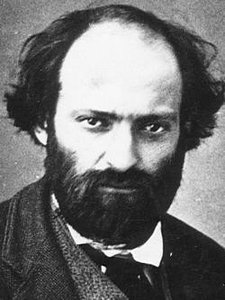
1839 - 1906 , Франция


Будьте в курсе последних новостей из мира искусства, эксклюзивных предложений и идей для оформления интерьера.
Расскажите нам о вашем проекте, и наши эксперты по искусству предложат вам 3 персонализированных варианта произведений искусства.
Мы подберем для вас 3 варианта — бесплатно!


 Предпросмотр
 Поделиться
 Поделиться
 Детали произведения

 Скачать
 Похожие работы
 Рентгенография
 Слайд-шоу
 Читать далее