

Печать (жикле) или холст музейного качества с быстрыми сроками изготовления и широким выбором вариантов отделки. ( Купить картину ручной работы Купить изображение)





























Выберите один из наших стандартных размеров, соответствующих оригинальным пропорциям произведения искусства.

Вы можете указать свои собственные размеры, чтобы репродукция идеально подошла под конкретную раму или пространство. Если выбранный вами размер не будет соответствовать пропорциям оригинала, мы либо обрежем произведение, либо дополним изображение зеркальным отражением краев или однотонной заливкой. Перед началом производства вам будет отправлен цифровой макет для утверждения.
Пожалуйста, обратите внимание, что предварительный просмотр на экране не отображает фактическую обрезку или расширение изображения. Только макет точно покажет финальную композицию.
Несмотря на возможность заказа индивидуальных размеров, мы рекомендуем выбирать размер из предопределенного списка, чтобы сохранить оригинальные пропорции.
Доставка по всему миру () за 2 недели вместо стандартных 4/5 недель. (21 Август)


venus and mars
Размер репродукции
In the quiet, golden light of the Florentine Renaissance, Sandro Botticelli captured a moment that transcends the boundaries of mere mythology, offering instead a profound meditation on the delicate balance between passion and peace. His masterpiece, Venus and Mars, is not a scene of dramatic conflict or heroic conquest, but rather an exquisite study in vulnerability and repose. As we gaze upon this captivating panel, we find the Roman deities Venus, the goddess of love, and Mars, the god of war, locked in a tender, dreamlike embrace. There is no clashing of swords here; instead, there is the soft rhythm of breath. Mars lies in a deep, defenseless slumber, his formidable strength surrendered to the gentle presence of his lover. Venus watches over him with a serene, knowing gaze, her very essence acting as a soothing balm to the spirit of battle. This intimate tableau invites the viewer into a sanctuary of stillness, making it an ideal centerpiece for any collection seeking to evoke tranquility and timeless elegance.
The technical brilliance of Botticelli shines through in every meticulous stroke of tempera on poplar. A master of the graceful line, Botticelli employs a signature aesthetic that bridges the transition from the late Gothic period to the burgeoning Early Renaissance. His ability to render anatomy with both precision and poetic softness is nowhere more evident than in the figure of Mars, whose muscular form is depicted with a breathtaking, sculptural beauty. The artist utilizes a delicate palette and fine contour lines to create a sense of shallow, focused depth, drawing the eye toward the central figures while celebrating the intricate textures of the surrounding elements. For the discerning collector or interior designer, the painting’s rhythmic composition and fluid movement offer a sophisticated visual harmony that complements both classical and contemporary settings, providing a window into the meticulous craftsmanship of the 15th century.
Beyond its surface beauty, Venus and Mars is a rich tapestry of humanist symbolism, designed to resonate with the intellectual currents of Renaissance Florence. The painting serves as a powerful allegory for the triumph of love over strife—the idea that affection possesses the unique power to disarm even the most aggressive forces of nature. This theme is further enriched by the playful presence of infant satyrs frolicking around the sleeping god, representing the untamed, sensual impulses of desire that emerge when the rigors of war are set aside. Even the smallest details, such as the swarm of wasps hovering near Mars’ head, invite deep contemplation; they may represent the stinging potential for pain that exists even within the most profound intimacy, or perhaps serve as a subtle emblem of the fleeting nature of peace. To possess a reproduction of this work is to bring into one's home not just a beautiful image, but a complex philosophical dialogue regarding the eternal dance between strength and softness, conflict and concord.
For those looking to infuse their living spaces with a sense of historical depth and emotional resonance, this work offers unparalleled inspiration. Whether placed in a private study to encourage quiet reflection or as a focal point in a grand salon to spark conversation, the painting’s narrative power remains undiminished by the passage of centuries. It stands as a testament to the enduring allure of classical myth and the human desire for harmony. Through its masterful use of color, light, and symbolic complexity, Botticelli’s Venus and Mars continues to enchant, offering a sophisticated aesthetic experience that celebrates the profound beauty found in moments of absolute surrender.
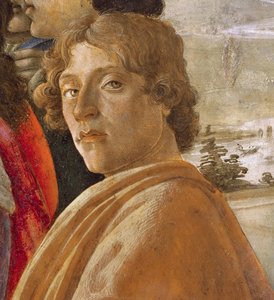
1445 - 1510 , Италия

Погрузитесь в мир Сандро Боттичелли! 25 шедевров Ренессанса – "Рождение Венеры", "Весна" и другие культовые картины. Узнайте историю, технику и вдохновение великого художника. Репродукции высокого качества для вашего интерьера на BuyPopArt.com.

Погрузитесь в эпоху Возрождения! Откройте 10 шедевров Леонардо да Винчи, Рафаэля и Боттичелли. Узнайте историю создания культовых картин и вдохновитесь для декора вашего дома с BuyPopArt.com. Explore the full collection online!

Погрузитесь в мир глубоких чувств с Топ-10 романтических произведений искусства! Узнайте истории любви, вдохновляющие техники Ван Гога, Климта и других мастеров. Купите репродукции картин для вашего интерьера на BuyPopArt.com – музейное качество и безупречный декор.

Ищете идеальный свадебный подарок? BuyPopArt представляет топ-10 значимых картин известных художников – Ван Гог, Моне, Климт и другие. Романтические сюжеты, импрессионизм и символизм для создания особенной атмосферы. Репродукции высокого качества на BuyPopArt.com
Погрузитесь в мир Ренессанса с 25 шедеврами галереи Уффици! От Боттичелли до Леонардо да Винчи – истории, техники и вдохновение для вашего интерьера. Купите репродукции картин высочайшего качества на BuyPopArt.com.


Будьте в курсе последних новостей из мира искусства, эксклюзивных предложений и идей для оформления интерьера.
Расскажите нам о вашем проекте, и наши эксперты по искусству предложат вам 3 персонализированных варианта произведений искусства.
Мы подберем для вас 3 варианта — бесплатно!


 Предпросмотр
 Поделиться
 Поделиться
 Детали произведения

 Скачать
 Похожие работы
 Рентгенография
 Слайд-шоу

 Читать далее







 Вариант со стеклом доступен только для размеров менее 110 см


