

 Oil On CanvasWallArtPre-Raphaelite Brotherhood
 1851
1851 49.0 x 59.0 cm
 Тейт Брититен
Картина маслом на холсте в выбранном вами размере и раме, написанная на заказ нашими художниками. ( Перейти к печати Переключиться на изображение)
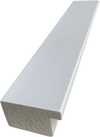
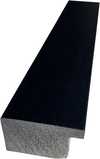
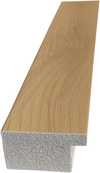
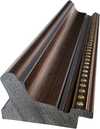
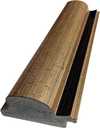
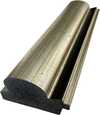
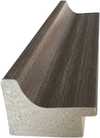
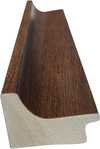
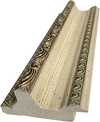
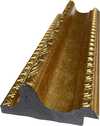
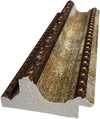
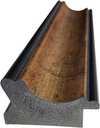
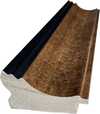
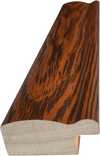
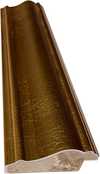
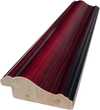
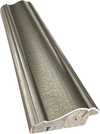
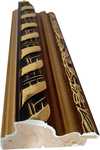
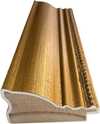
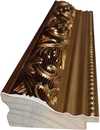
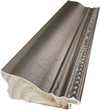
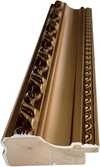
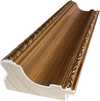
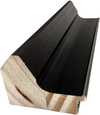
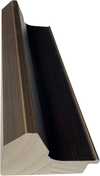
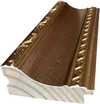
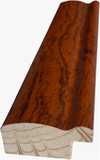
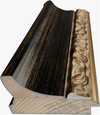
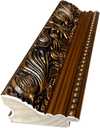
Выберите один из наших стандартных размеров, соответствующих оригинальным пропорциям произведения искусства.

Вы можете указать собственные размеры, чтобы картина идеально вписалась в выбранную раму или пространство. Если выбранный вами размер не соответствует пропорциям оригинала, мы либо обрежем полотно, либо расширим его за счет дополнительных элементов, написанных вручную. Цифровой макет будет отправлен вам на утверждение перед началом производства.
Обратите внимание, что предварительный просмотр на экране не отражает фактическую обрезку или расширение. Только макет точно покажет окончательную композицию.
Хотя доступны индивидуальные размеры, мы рекомендуем выбирать вариант из предопределенного списка, чтобы сохранить исходные пропорции.
Доставка по всему миру () за 3–4 недели вместо стандартных 5 недель. (3 Август). Без компромиссов в качестве.


Mariana
Размер репродукции
John Everett Millais’s “Mariana,” painted in 1851, isn't merely a portrait; it’s an exquisitely rendered distillation of Victorian melancholy and the quiet desperation of a woman caught between longing and resignation. The painting immediately draws the viewer into a small, intimate chamber, dominated by a figure draped in a luminous blue gown – a color that simultaneously suggests both serenity and profound sadness. This isn't a scene of dramatic action or vibrant celebration; instead, Millais masterfully captures a moment of suspended animation, a pregnant pause within a life seemingly defined by waiting.
The subject, identified as Mariana from Shakespeare’s “Measure for Measure,” is positioned near a window adorned with stained glass panels depicting the Annunciation. This subtle detail introduces a layer of religious symbolism – the promise of divine grace juxtaposed against the woman's earthly sorrow. Her posture, with one hand resting on her hip and the other supporting a table laden with wine glasses and a vase, speaks volumes about her state of mind: poised between activity and inertia, engagement and detachment. The carefully arranged objects around her—the embroidery hoop, the fallen leaves, the scattered fruit – contribute to a sense of domesticity tinged with decay and loss.
Millais’s technical skill is breathtakingly evident in every brushstroke. He employed the Pre-Raphaelite style—a movement characterized by an obsessive attention to detail, a reverence for nature, and a rejection of academic conventions—to create an image that feels both hyperrealistic and intensely emotional. The embroidery itself is rendered with astonishing precision, each stitch painstakingly depicted, inviting the viewer to contemplate the labor and perhaps the loneliness associated with such meticulous work. The use of light is particularly noteworthy; it’s diffused and soft, bathing the scene in a melancholic glow that enhances the painting's overall mood.
“Mariana” is rich in symbolic meaning, reflecting the anxieties and sensibilities of Victorian society. The woman’s posture—stretching her back, seemingly burdened by an unseen weight—represents the constraints placed upon women during that era. Her gaze towards the window, a space offering both beauty and distance, symbolizes her yearning for something beyond her immediate circumstances. The fallen leaves suggest the passage of time and the inevitability of loss, while the stained-glass windows hint at a spiritual longing that remains unfulfilled.
Furthermore, the reference to Tennyson’s poem adds another layer of interpretation. Mariana's story is one of abandonment and despair, yet Millais transforms this tragic narrative into a poignant meditation on beauty, solitude, and the enduring power of human emotion. The painting isn’t simply about a woman in distress; it’s about the universal experience of longing—a feeling that transcends time and circumstance.
“Mariana” remains one of Millais's most celebrated works, captivating viewers with its haunting beauty and profound emotional resonance. It stands as a testament to the Pre-Raphaelite movement’s commitment to capturing the complexities of human experience—a poignant reminder that even in moments of quiet solitude, the heart can still ache with longing and unfulfilled desires. Reproductions of this masterpiece offer an opportunity to bring its evocative atmosphere into any space, serving as both a work of art and a window into the soul.

1829 - 1896 , Великобритания

Погрузитесь в мир Данте Габриэля Россетти! 25 шедевров прерафаэлитов, полных символизма и страсти. Узнайте истории создания культовых картин и найдите идеальный декор для вашего дома на BuyPopArt.com – музейное качество, вдохновение и искусство онлайн.

Explore the revolutionary art of Sir John Everett Millais & the Pre-Raphaelite Brotherhood. Discover their radical realism, symbolic narratives, and lasting impact on Victorian aesthetics. A deep dive into 19th-century masterpieces.

Погрузитесь в мир Клода Моне! 25 шедевров импрессионизма, от "Водных лилий" до знаменитых пейзажей. Узнайте историю создания картин и вдохновитесь для декора интерьера. Репродукции музейного качества на BuyPopArt.com.

Explore the captivating world of Edmund Blair Leighton, Victorian master of romantic narrative painting. Discover his iconic works & Pre-Raphaelite influences at BuyPopArt.

Откройте для себя 25 величайших шедевров Поля Сезанна! Узнайте истории создания картин импрессионизма и постимпрессионизма, технику художника и вдохновение для вашего интерьера. Репродукции картин Сезанна высокого качества на BuyPopArt.com.


Будьте в курсе последних новостей из мира искусства, эксклюзивных предложений и идей для оформления интерьера.
Расскажите нам о вашем проекте, и наши эксперты по искусству предложат вам 3 персонализированных варианта произведений искусства.
Мы подберем для вас 3 варианта — бесплатно!


 Предпросмотр
 Поделиться
 Поделиться
 Детали произведения

 Скачать
 Похожие работы
 Рентгенография
 Слайд-шоу
 Читать далее

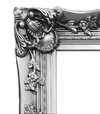
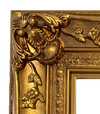
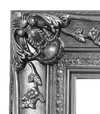
 Вариант со стеклом доступен только для размеров менее 110 см


