 1961
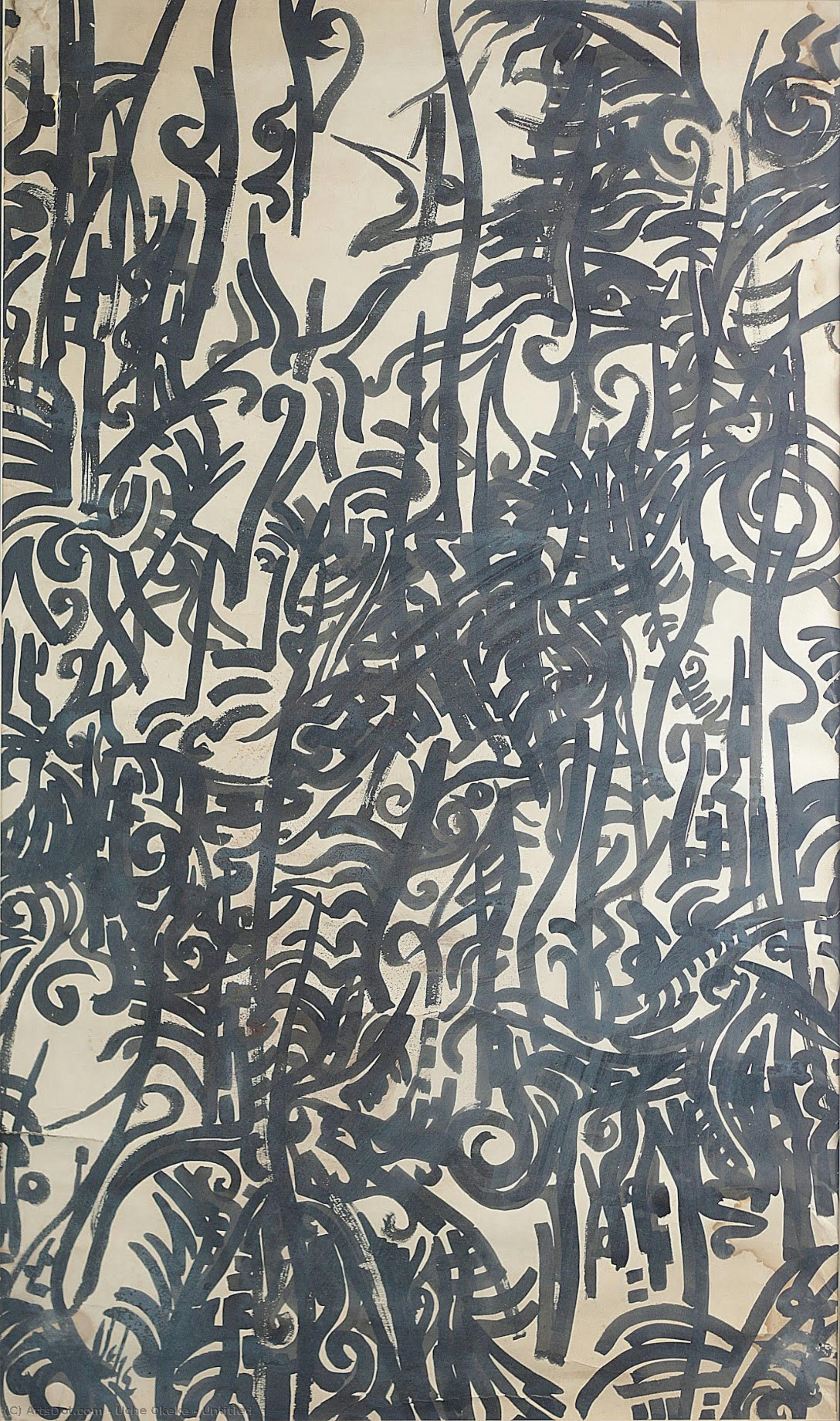
1961 102.0 x 73.0 cm
 Yemisi Shyllon Museum of Art
Приобретите цифровое изображение высокого разрешения в улучшенном качестве, которое значительно превосходит онлайн-превью.
Каждый файл тщательно подготавливается нашими специалистами с использованием передовых инструментов и экспертной ручной ретуши. Мы гарантируем исключительную четкость, точную цветопередачу и детальную проработку каждого изображения.
Финальный файл доставляется по электронной почте в течение 72 часов и оптимизирован для немедленного использования в профессиональной среде, при верстке и печати. Это тот же уровень качества, которому доверяют ведущие дизайнерские студии, издательства и галереи.
Скачайте файл высокого разрешения для личного использования, печати и творческих проектов. ( Купить принт Купить картину ручной работы)
Выбирая BuyPopArt.com, вы получаете не просто изображение — вы приобретаете профессионально обработанное цифровое произведение искусства, созданное с безупречной точностью и под защитой гарантии качества. Вот всё, что автоматически входит в ваш заказ:

Ваш цифровой файл в высоком разрешении будет отправлен вам по электронной почте в течение 72 часов после оформления заказа — и сразу станет доступен для использования.

Ваше произведение искусства проходит профессиональную оптимизацию с использованием передовых инструментов ИИ и ручной обработки, что гарантирует максимальную детализацию, четкость и точность цветопередачи.

Случайно удалили или потеряли файл? Не беспокойтесь — мы отправим его вам повторно в любое время и совершенно бесплатно.

Наслаждайтесь вашим произведением искусства мгновенно без таможенных пошлин, сборов или затрат на доставку — цифровые загрузки всегда не облагаются налогом.

Мы гарантируем, что ваше цифровое изображение максимально точно передает оригинальные цвета благодаря использованию профессиональных инструментов и систем управления цветом.

Если вы останетесь не удовлетворены покупкой цифрового изображения, мы внесем в него правки или вернем 100% стоимости в течение 60 дней — без лишних вопросов.

Не удовлетворены покупкой? Мы гарантируем полный возврат средств в течение 60 дней после получения вашего цифрового файла — без лишних вопросов.

Купите 3 изображения, сэкономьте 10% — Купите 5, сэкономьте 15% — Купите 10+, сэкономьте 20%. Отличное решение для творческих проектов, галерей и агентств.
Uche Okeke (1933-2016) stands as a monumental figure in the history of Nigerian art, a bridge between traditional aesthetics and the burgeoning possibilities of modern expression. Born in Nimo, Anambra State, Nigeria, into a family deeply rooted in Igbo culture, Okeke’s artistic journey was shaped by both ancestral heritage and a conscious engagement with the complexities of post-colonial identity. His work isn't simply paintings; it’s a vibrant tapestry woven from memory, folklore, and a profound understanding of the African landscape – a visual narrative that continues to resonate today.
Okeke’s early life provided him with an invaluable foundation. He learned *uli*, the intricate line-drawing tradition practiced by Igbo women, directly from his mother. This wasn't merely imitation; it was an immersion into a system of symbolic communication, where lines held layers of meaning relating to fertility, protection, and social status. Crucially, Okeke recognized the potential of this seemingly simple technique as a springboard for a radically new artistic language. He understood that *uli*, with its inherent dynamism and expressive power, could be adapted and transformed to address the challenges and aspirations of a newly independent nation.
Okeke’s artistic trajectory gained significant momentum through his association with the Zaria School of Art in the late 1950s. This influential group, centered at the Nigerian College of Arts, Science and Technology (now Ahmadu Bello University), represented a deliberate rejection of the prevailing colonial influences within the art program. Rather than adhering to European academic styles, the artists of Zaria sought to forge an indigenous artistic identity – a concept they termed “natural synthesis.” This philosophy advocated for drawing inspiration from Nigeria’s rich cultural heritage, including its diverse artistic traditions, religious beliefs, and social structures.
Okeke played a pivotal role in articulating this approach. He believed that art should be rooted in the lived experiences of Nigerians, reflecting their values, concerns, and aspirations. His work began to incorporate elements of *uli*, alongside other symbolic motifs drawn from Igbo cosmology and folklore – animals, spirits, and ancestral figures rendered with bold lines and dynamic compositions. This wasn’t simply a decorative exercise; it was an attempt to create a visual language that could articulate the complexities of modern Nigerian life while honoring its cultural roots.
Okeke's artistic style is immediately recognizable by his masterful use of line. He employed lines not merely as outlines but as conduits for meaning, creating a visual vocabulary that was both abstract and deeply rooted in tradition. His compositions often feature sinuous curves, sharp angles, and intricate patterns – echoes of *uli* motifs and the rhythms of the natural world. The landscapes he depicted—often evocative of the savannahs of his childhood—are rarely literal representations; instead, they are imbued with symbolic significance, reflecting themes of spirituality, resilience, and the interconnectedness of life.
Key to understanding Okeke’s work is recognizing the importance of symbolism. He skillfully integrated *uli* symbols – such as the snake (representing fertility and transformation), the three-lobed kola nut (a symbol of unity and hospitality), and various animal figures—into his compositions, creating a layered visual narrative that invites interpretation. His use of space is equally deliberate, often employing negative space to create a sense of dynamism and movement.
Among Okeke’s most celebrated works are pieces like “Savannah Landscape” (1962) and “Untitled” (1961). "Savannah Landscape" exemplifies his ability to distill the essence of a landscape into its fundamental elements, using bold lines to capture the heat, texture, and spirit of the Nigerian savannah. “Untitled,” a dense, abstract composition, showcases his mastery of *uli* techniques and his exploration of symbolic themes. His series “Oja” (1962), created during his time in Lagos, further solidified his reputation as a groundbreaking artist.
Uche Okeke’s influence extends far beyond the canvases he produced. He played a crucial role in shaping the trajectory of Nigerian modernism, inspiring generations of artists to embrace their cultural heritage and explore new artistic possibilities. His commitment to “natural synthesis” provided a framework for artists to engage with both tradition and modernity, creating art that was simultaneously rooted in the past and oriented towards the future. Today, Uche Okeke is remembered not only as a gifted artist but also as a visionary who helped to define the visual identity of Nigeria.

1933 - 2016


Будьте в курсе последних новостей из мира искусства, эксклюзивных предложений и идей для оформления интерьера.
Расскажите нам о вашем проекте, и наши эксперты по искусству предложат вам 3 персонализированных варианта произведений искусства.
Мы подберем для вас 3 варианта — бесплатно!


 Предпросмотр
 Поделиться
 Поделиться
 Детали произведения

 Скачать
 Похожие работы
 Рентгенография
 Слайд-шоу
 Читать далее