

 Installation ArtInstallationContemporary Installation
 Contemporary
 110.0 x 110.0 cm
 Gwangju Design Biennale
Ručne maľovaný olej na plátne vo vašej zvolenej veľkosti a v ráme, vyrobený na mieru našimi umelcami. ( Prejsť na tlač Prepnúť na obrázok)
Vyberte si z našich preddefinovaných rozmerov, ktoré zodpovedajú pôvodným pomeroḿ diela.

Môžete zadať vlastné rozmery tak, aby sa hodili do konkrétneho rámu alebo priestoru. Ak sa váš zvolený rozmer nezhoduje s pôvodnými proporciami obrazu, dielo buď orezáme, alebo ho doplníme ručne maľovanými prvkami. Pred začiatkom výroby vám zašleme digitálny náhľad na schválenie.
Upozorňujeme, že ukážka na obrazovke neodráža skutočné orezanie alebo doplnenie. Skutočnú finálnu kompozíciu zobrazuje iba digitálny náhľad.
Hoci sú k dispozícii vlastné rozmery, odporúčame vybrať rozmer z preddefinovaného zoznamu, aby sme zachovali pôvodné proporcie.
Celosvetová doprava () za 3 až 4 týždne namiesto štandardných 5 týždňov. (5 august). Bez kompromisov v kvalite.


Ango
Veľkosť reprodukcie
In the realm of contemporary installation art, few pieces command the room with such quiet, luminous authority as Ango. This striking work transcends the boundaries between functional design and fine art, presenting a mesmerizing spectacle of suspended spheres that seem to float like celestial bodies within an earthly gallery. At first glance, the viewer is drawn into a world of warmth and texture, where the boundary between the man-made and the natural begins to dissolve. The installation features large, spherical light fixtures, each meticulously constructed from a dense, intricate mosaic of small wooden elements. These tightly packed components create a voluminous, tactile surface that catches the light in a rhythmic dance of shadow and brilliance, transforming simple timber into something ethereal and weightless.
The artistry of Ango lies in its profound connection to the organic world. Drawing inspiration from the patterns found in nature, the piece embodies a philosophy of sustainable beauty and harmonious ecology. The technique employed here is a masterclass in texture; the way the light is refracted through the gaps in the wooden structure produces a subtle spectrum of shifting tones, much like sunlight filtering through a forest canopy. This interplay of light and shadow does more than just illuminate a space—it breathes life into it. For the discerning collector or interior designer, this piece offers a transformative element that can anchor a room, providing a focal point that is both intellectually stimulating and visually soothing.
Beyond its visual splendor, Ango serves as a testament to the marriage of traditional hand-crafted skill and modern technical innovation. The structural integrity of the spheres relies on a precise arrangement of materials that demands immense patience and precision, echoing the meticulousness found in historical craftsmanship while embracing a contemporary aesthetic. The warm, golden glow emanating from within each fixture creates an atmosphere of profound tranquility and contemplation. It is an illumination that does not merely light a dark corner but rather invites the observer to pause, breathe, and reflect on the delicate balance between structure and void.
For those looking to curate a space of sophistication and wonder, this installation offers an unparalleled emotional impact. It evokes a sense of nostalgia for the natural world while firmly planting its feet in the avant-garde. Whether placed in a minimalist modern loft or a grand architectural hall, Ango acts as an emblem of sustainable consumption and artistic integrity. To possess a reproduction of such a piece is to bring a fragment of this luminous, organic harmony into one's own environment, turning any interior into a sanctuary of light and thoughtful design.
In the grand, sweeping tapestry of art history, certain figures emerge through vibrant brushstrokes, while others linger in the soft, sepia tones of the periphery. Angus McGill Mowat, occasionally known by the name Angus Hutcheson, belongs to that evocative second category—a man whose true impact was felt not necessarily through a prolific gallery of canvases, but through his profound dedication to the preservation of human thought. Born in the quiet Irish enclave of Dromalogue around 1694, Mowat’s life journey was one of intellectual stewardship. While he may not have commanded the spotlight of the great European academies, his spirit was deeply intertwined with the cultural and scholarly currents of his era, acting as a bridge between the classical traditions of his Irish roots and the burgeoning frontiers of Canadian society.
To understand Mowat is to understand the Enlightenment—a period defined by an unquenchable thirst for reason, observation, and the systematic collection of knowledge. Though his primary vocation was that of a librarian, his life’s work mirrored the aesthetic and intellectual rigor of the great thinkers of the eighteenth century. His career trajectory took him across the Canadian landscape, leading him to pivotal roles in libraries within Trenton, Belleville, Windsor, and Saskatoon. In these roles, he was more than a mere custodian of books; he was a pioneer of literacy, championing advancements in library systems that prioritized accessibility for all. His work ensured that the seeds of intellectual curiosity could take root in developing communities, fostering an environment where art, science, and literature could eventually flourish.
While historical records lack a definitive catalog of Mowat’s artistic output, the essence of his contribution lies in the subtle intersection of scholarly pursuit and visual appreciation. It is widely speculated by historians that Mowat possessed a deep-seated reverence for the visual arts, an appreciation likely shaped by the cultural milieu of the 18th century. The era's emphasis on meticulous detail and the beauty of the natural world would have resonated with a man dedicated to the precision of archival work. There is a poetic symmetry in his life: as he organized the written word, he was simultaneously part of a movement that valued the observation of the world through both the eye and the intellect.
The traces of his influence are found in the following areas of cultural impact:
Ultimately, the legacy of Angus McGill Mowat is one of quiet, foundational strength. He represents the essential, often unseen support system of the arts—the curators, the librarians, and the scholars who ensure that when an artist creates a masterpiece, there is a culture prepared to receive, study, and cherish it. His life reminds us that the preservation of knowledge is, in itself, a profound act of creation.

1694 - 1746 , Ireland
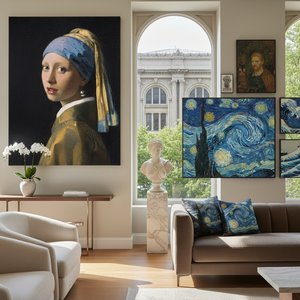
Objavte top 25 diel Metropolitného múzea umenia v New Yorku! Prežite príbehy Van Gogha, Moneta a ďalších majstrov. Reprodukcie obrazov pre váš interiér – luxusné dekorácie na BuyPopArt.com.
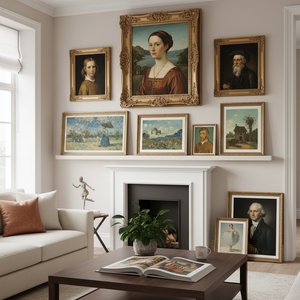
Objavte top 25 diel Národnej galérie umenia vo Washingtone! Prežite príbehy Cézanna, Matissea a Picassa. Reprodukcie obrazov pre luxusný interiér na BuyPopArt.com – múzejná kvalita a inšpirácia pre váš domov.
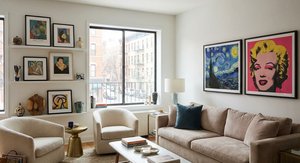
Objavte top 25 diel MoMA v New Yorku! Van Gogh, Picasso, Warhol a ďalší majstri moderného umenia. Inšpirujte sa pre váš interiér s kvalitnými reprodukciami obrazov na BuyPopArt.com.
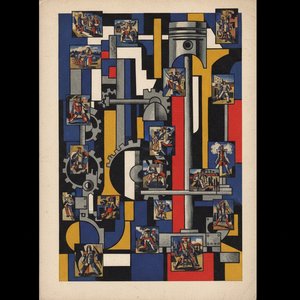
Objavte top 25 diel Fernand Légera – priekopníka kubizmu a tubizmu. Prežite príbeh za ikonickými obrazmi, farebnou kompozíciou a strojovým vekom. Reprodukcie pre váš interiér na BuyPopArt.com! Preskúmajte celú kolekciu online.

Explore 10 defining masterpieces of early modern art – from Picasso & Matisse to Dalí! Discover the stories behind iconic paintings, movements like Cubism & Surrealism. Find museum-quality art reproductions for your home at BuyPopArt.com.


Zostaňte v obraze s najnovšími správami zo sveta umenia, exkluzívnymi ponukami a nápormi na dekoráciu.
Povedzte nám o svojom projekte a naši odborníci na umenie vám pripravia 3 personalizované návrhy umeleckých diel.
Nechajte si od nás vybrať 3 možnosti priamo pre vás – zadarmo!


 Odoslať
 Zdieľať
 Podrobnosti o dielo

 Stiahnuť
 Podobné diela
 Prezentácia
 Zobraziť viac




































 Možnosť skla je dostupná len pri rozmeroch pod 110 cm


