
x


 Objednať reprodukciu Kúpiť digitálnu verziu
 Odoslať
 Podrobnosti o dielo
 Pridať do obľúbených
 Stiahnuť
 Podobné diela
 RTG skúška
 Prezentácia
 2009
2009 46.0 x 31.0 cm
 EMMA - Espoo Museum of Modern Art
Giclée tlač alebo plátno múzeálnej kvality s rýchlou výrobou a flexibilnými možnosťami povrchovej úpravy.
Vyberte si z našich preddefinovaných rozmerov, ktoré zodpovedajú pôvodným pomeroḿ diela.

Môžete zadať vlastné rozmery, aby sa reprodukcia prispôsobila konkrétnemu rámu alebo priestoru. Ak zvolená veľkosť nebude zodpovedať proporciám originálu, dielo buď orežeme, alebo obraz rozšírime pomocou zrkadlenia či farebného doplnenia okrajov. Pred začatím výroby vám pošleme digitálnu ukážku na schválenie.
Máte na vedomí, že náhľad na obrazovke neodzrkadľuje skutočné orezanie alebo rozšírenie. Len digitálna ukážka presne zobrazí finálnu kompozíciu.
Hoci sú k dispozícii vlastné rozmery, pre zachovanie pôvodných proporcií odporúčame vybrať si rozmer z vopred definovaného zoznamu.
Celosvetová doprava () do 2 týždňov namiesto štandardných 4/5 týždňov. (20 júl)


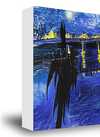
Window (forest)
Veľkosť reprodukcie
Jean-Michel Basquiat, a name synonymous with raw energy and defiant expression, emerged from the vibrant, turbulent landscape of 1980s New York City. Born in Brooklyn in 1960 to Haitian immigrant parents, his early life was steeped in cultural duality – the rhythms of Caribbean heritage intertwined with the burgeoning street art scene of America’s urban heart. This complex background profoundly shaped his artistic vision, informing a body of work that grappled with themes of race, class, power, and identity with unflinching honesty. Initially collaborating with Al Diaz under the pseudonym SAMO, Basquiat and Diaz plastered the Lower East Side with enigmatic graffiti poems, challenging established art institutions and laying the groundwork for Basquiat’s later, more individualistic style.
Basquiat’s paintings are not easily deciphered; they operate as a complex visual lexicon, rich in personal iconography and historical references. He frequently employed skulls – a potent symbol of mortality and the fragility of life – alongside crowns, representing royalty and aspiration, often juxtaposed with images of poverty and oppression. His work is deeply rooted in African art and mythology, drawing on motifs of power, spirituality, and ancestral connection. The incorporation of text—words, phrases, and names—further layered meaning into his compositions, creating a dialogue between image and language.
Despite his tragically short life – Basquiat died in 1988 at the age of 27 from a heroin overdose – he left an indelible mark on the art world. His meteoric rise to fame was remarkable, culminating in exhibitions at prestigious institutions like the Whitney Museum of American Art and Documenta in Kassel. He quickly became one of the most celebrated artists of his generation, challenging conventional notions of artistic expression and pushing the boundaries of neo-expressionism.
Jean-Michel Basquiat's art continues to resonate deeply with contemporary audiences. His unflinching exploration of race, identity, and social injustice remains profoundly relevant in an era grappling with similar issues. More than just a painter, he was a cultural commentator, a poet of the streets, and a visionary artist who challenged the status quo and demanded recognition for his unique perspective. His work serves as a powerful reminder of the complexities of American history and the enduring struggle for equality and justice – a legacy etched in vibrant color and defiant symbolism.

1981 - , Finland


Zostaňte v obraze s najnovšími správami zo sveta umenia, exkluzívnymi ponukami a nápormi na dekoráciu.
Povedzte nám o svojom projekte a naši odborníci na umenie vám pripravia 3 personalizované návrhy umeleckých diel.
Nechajte si od nás vybrať 3 možnosti priamo pre vás – zadarmo!


 Zdieľať

 Zobraziť viac

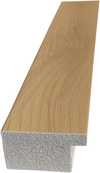
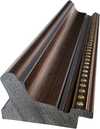
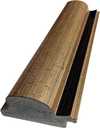

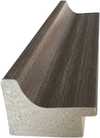
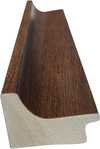
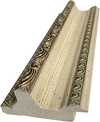
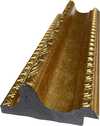
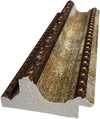
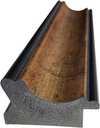
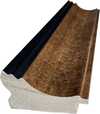
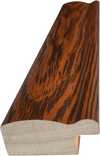
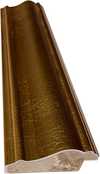

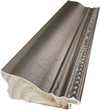
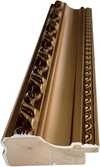
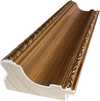
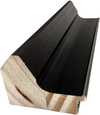
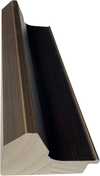
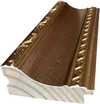
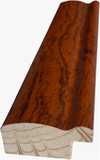
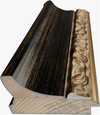
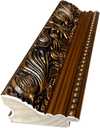
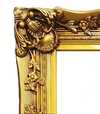
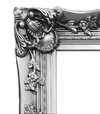
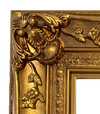
 Možnosť skla je dostupná len pri rozmeroch pod 110 cm


