

Ručne maľovaný olej na plátne vo vašej zvolenej veľkosti a v ráme, vyrobený na mieru našimi umelcami. ( Kúpiť tlač Kúpiť obrázok)
Vyberte si z našich preddefinovaných rozmerov, ktoré zodpovedajú pôvodným pomeroḿ diela.

Môžete zadať vlastné rozmery tak, aby sa hodili do konkrétneho rámu alebo priestoru. Ak sa váš zvolený rozmer nezhoduje s pôvodnými proporciami obrazu, dielo buď orezáme, alebo ho doplníme ručne maľovanými prvkami. Pred začiatkom výroby vám zašleme digitálny náhľad na schválenie.
Upozorňujeme, že ukážka na obrazovke neodráža skutočné orezanie alebo doplnenie. Skutočnú finálnu kompozíciu zobrazuje iba digitálny náhľad.
Hoci sú k dispozícii vlastné rozmery, odporúčame vybrať rozmer z preddefinovaného zoznamu, aby sme zachovali pôvodné proporcie.
Celosvetová doprava () za 3 až 4 týždne namiesto štandardných 5 týždňov. (15 august). Bez kompromisov v kvalite.


Igel column
Veľkosť reprodukcie
In the quiet, mist-laden landscapes of the nineteenth century, few artists captured the delicate intersection of spiritual devotion and natural beauty as poignantly as Johann Anton Alban Ramboux. Born in 1790 in the historic city of Trier, Germany, Ramboux emerged as a painter whose brush served as a bridge between two profound artistic currents: the disciplined, spiritually-driven Nazarene movement and the emotive, atmospheric depths of Romanticism. His life was a journey through the great art centers of Europe, from the rigorous classical training in Paris under the legendary Jacques-Louis David to the academic refinement of the Munich Academy. This diverse education allowed him to master a technique that could oscillate between the precise, iconographic clarity required for biblical narratives and the soft, observational nuance essential for capturing the shifting light of the German countryside.
Ramboux’s artistic development was deeply rooted in his ability to find the divine within the terrestrial. While many of his contemporaries sought grandeur through epic historical scenes, Ramboux found profound meaning in the intimate and the local. His immersion into the Nazarene movement—a group of German Romantic painters who sought to revive spirituality in Christian art through a return to medieval and early Renaissance aesthetics—left an indelible mark on his soul. This influence is most vibrantly seen in his religious compositions, such as 'Rebecca and Eliezer at the Well'. In this work, the desert landscape is not merely a setting but a vessel for spiritual yearning, where every meticulously rendered detail of the sun-drenched earth contributes to a larger meditation on faith and providence.
Beyond the sacred halls of biblical storytelling, Ramboux was a master observer of his homeland. He possessed an uncanny ability to translate the atmosphere of the Moselle River and the surrounding Trier environs into works of enduring charm. Through watercolors and lithographs, he documented the changing seasons and the play of light upon the water, creating a visual record that is as much about feeling as it is about topography. His landscapes often carry a sense of quietude, inviting the viewer to step into a world where nature and contemplation exist in perfect harmony. This mastery of atmosphere allowed him to stand alongside the giants of German landscape painting, offering a more intimate, localized perspective that complemented the sweeping, often melancholic visions of Caspar David Friedrich.
The breadth of his technical skill is further evidenced by his contributions to portraiture and printmaking. His ability to capture the human essence was particularly evident in works like 'The Eberhard Brothers', where he utilized the dramatic interplay of light and shadow—a hallmark of the Romantic style—to imbue his subjects with a sense of psychological depth and narrative mystery. Whether working on the delicate surface of an ivory-wove paper lithograph or the robust texture of an oil on canvas, Ramboux maintained a commitment to a certain artistic idealism that sought to elevate the subject matter beyond the mundane.
As we reflect on the historical significance of Anton Alban Ramboux, we see an artist who successfully navigated the complexities of a changing Europe. His work remains a testament to a period when art was deeply entwined with identity, faith, and a burgeoning love for the natural world. His legacy lives on in the museums of Cologne, Berlin, and Düsseldorf, where his paintings continue to whisper stories of devotion, tradition, and the timeless beauty of the German landscape.

1790 - 1866 , Germany

Explore the rich history & enduring aesthetic of Classicism art! Discover key movements, iconic artists like Raphael & David, and its lasting influence on Western art. Deepen your appreciation today.
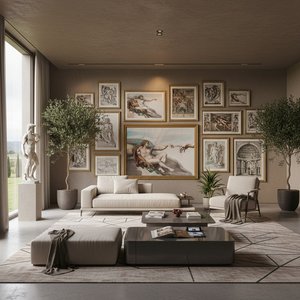
Objavte 25 majstrovských diel Michelangela Buonarrotiho! Pietà, David a fresky Sixtínskej kaplnky – príbehy umenia, techniky a renesančnej krásy. Reprodukcie obrazov pre váš domov na BuyPopArt.com.

Objavte top 10 majstrovských diel neoklasicizmu od David, Ingres a Canova. Prežite príbeh umenia, techniky a nadčasnej krásy. Reprodukcie obrazov pre váš domov na BuyPopArt.com! Preskúmajte kolekciu online.

Explore the world of historical artwork through high-quality reproductions & insightful analysis. Discover Renaissance masterpieces, artist interpretations, and connect with art history today! Trusted quality since 2004.
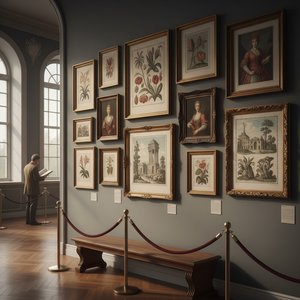
Explore the captivating world of vintage art prints! Discover their history, collecting tips & enduring appeal. Expert insights on chromolithography and building a legacy collection with BuyPopArt.


Zostaňte v obraze s najnovšími správami zo sveta umenia, exkluzívnymi ponukami a nápormi na dekoráciu.
Povedzte nám o svojom projekte a naši odborníci na umenie vám pripravia 3 personalizované návrhy umeleckých diel.
Nechajte si od nás vybrať 3 možnosti priamo pre vás – zadarmo!


 Náhľad
 Odoslať
 Zdieľať
 Podrobnosti o dielo

 Stiahnuť
 Podobné diela
 RTG skúška
 Prezentácia
 Zobraziť viac




































 Možnosť skla je dostupná len pri rozmeroch pod 110 cm


