

 Oil On CanvasWallArtEarly Modern
 1948
1948 132.0 x 99.0 cm
 Walker Art Gallery
Ručne maľovaný olej na plátne vo vašej zvolenej veľkosti a v ráme, vyrobený na mieru našimi umelcami. ( Prejsť na tlač Prepnúť na obrázok)





























Vyberte si z našich preddefinovaných rozmerov, ktoré zodpovedajú pôvodným pomeroḿ diela.

Môžete zadať vlastné rozmery tak, aby sa hodili do konkrétneho rámu alebo priestoru. Ak sa váš zvolený rozmer nezhoduje s pôvodnými proporciami obrazu, dielo buď orezáme, alebo ho doplníme ručne maľovanými prvkami. Pred začiatkom výroby vám zašleme digitálny náhľad na schválenie.
Upozorňujeme, že ukážka na obrazovke neodráža skutočné orezanie alebo doplnenie. Skutočnú finálnu kompozíciu zobrazuje iba digitálny náhľad.
Hoci sú k dispozícii vlastné rozmery, odporúčame vybrať rozmer z preddefinovaného zoznamu, aby sme zachovali pôvodné proporcie.
Celosvetová doprava () za 3 až 4 týždne namiesto štandardných 5 týždňov. (6 august). Bez kompromisov v kvalite.


Sketch
Veľkosť reprodukcie
David Bomberg’s “Sketch,” painted in 1948, isn’t merely a depiction of a scene; it’s an embodiment of the artist’s evolving vision during a pivotal period in British art. Born into a Polish-Jewish family in Birmingham and deeply influenced by the avant-garde movements swirling around London – Cubism, Futurism, and the radical ideas championed by Roger Fry – Bomberg sought to translate these complex influences into a distinctly personal language. This particular work, created shortly after his expulsion from the Slade School of Art for his perceived “audacity,” reflects both a rejection of academic constraints and an embrace of dynamic abstraction. The painting’s raw energy and fragmented forms speak volumes about the anxieties and transformations shaping the post-war artistic landscape.

Bomberg’s technique in “Sketch” is immediately arresting. He employs a bold, almost aggressively simplified palette dominated by vibrant reds, oranges, and yellows – colors that evoke both heat and intensity. These hues are layered and blended with remarkable skill, creating a sense of depth and movement despite the painting's predominantly geometric structure. The composition itself is fractured, composed of interlocking planes and angular shapes that seem to vibrate with energy. This deliberate fragmentation isn’t chaotic; rather, it mirrors the artist’s exploration of form and his desire to capture not just what he *saw*, but how he *felt* about what he saw. The use of thick impasto – applying paint in heavy layers – adds a tactile quality to the work, inviting the viewer to engage with its surface.
Bomberg was part of the “Whitechapel Boys,” a group of young artists who challenged the established artistic conventions of early 20th-century London. This collective, including Mark Gertler and Stanley Spencer, were deeply influenced by the avant-garde movements emerging from Paris and Italy. His time at the Slade School of Art, under the tutelage of Henry Tonks, provided a crucial foundation, but Bomberg quickly surpassed his teacher’s more traditional approach. His work reflects this trajectory, incorporating elements of Cubism – particularly in its emphasis on multiple perspectives – alongside the dynamism of Futurism and the emotional intensity of Expressionism. Further research reveals that Bomberg's exploration of Jerusalem Church (as documented in a separate BuyPopArt article) demonstrates his continued interest in capturing spiritual themes through abstract forms.
“Sketch” is more than just a visually striking composition; it's an exploration of emotional states. The intense colors and fragmented forms evoke feelings of both excitement and unease. Some art historians interpret the painting as a reflection of Bomberg’s personal struggles, particularly his experiences in the trenches during World War I. The dynamism of the composition suggests a restless spirit, while the underlying geometric structure hints at an attempt to impose order on chaos. Ultimately, “Sketch” invites viewers to contemplate the complexities of human experience and the power of art to capture the intangible.
Ako syn polsko-židovských imigrantov, Abrahama a Rebeky Bombergovej, začal svoju cestu študovaním na City and Guilds Technical Art School, predtým než si v Birminghamu odpracoval remeslo litografa.
Svoju umeleckú dráhu formoval pod vedením Waltera Sickerta na Westminster School of Art (1908–1910), pričom bol hlboko ovplyvnený Sickertovým zameraním na tvary a mestský život. Kľúčovým momentom bola jeho konfrontácia s dielom Paula Cézanneho prostredníctvom výstavy Rogera Fryho „Manet a postimpresionisti“ v roku 1910. Neskôr navštívil Slade School of Art (1911), kde získal prestížnu cenu Tonks Prize za svoj portrét spolužiaka Isaaca Rosenberga.
Z experiences ako prostého vojniaka počas prvej svetovej vojny zásadne ovplyvnili jeho umeleckú víziu, čo viedlo k postupnému odklonu od abstrakcie.
20. roky priniesli Bombergovi prijatie figuratívnejšieho štýlu, pričom sa sústredil na portréty a krajiny čerpané priamo z prírody. Rozvinul si čoraz expresívnejšiu techniku, vyznačujúcu sa textúrovaným impastom a silnou emocionálnou intenzitou.
Rozsáhle cestovanie Bliským východom (najmä Palestínou) a Európou zásadne ovplyvnilo jeho neskoršie dielo. Jeho zachytenia Jeruzalema patria k jeho najvýznamnejším prínosom.

1890 - 1957 , United Kingdom
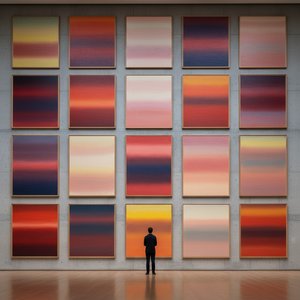
Ponorte sa do sveta Marka Rothka s BuyPopArt.com! Objavte top 25 diel abstraktného expresionizmu, farebných plôch a hlbokých emócií. Kúpiť reprodukcie obrazov online a inšpirujte sa pre luxusný interiérový dizajn. Preskúmajte celú kolekciu na BuyPopArt.com
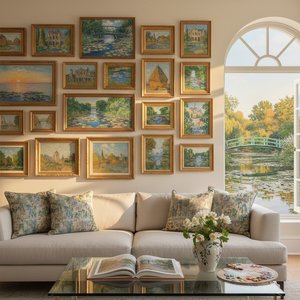
Ponorte sa do sveta Claude Moneta s BuyPopArt.sk! Objavte top 25 diel impresionistického majstra – od Vodných ľalií po Západ slnka. Reprodukcie obrazov pre váš domov a inšpirácia pre interiér. Preskúmajte plátna, farebné krajiny a ikonické motívy online.
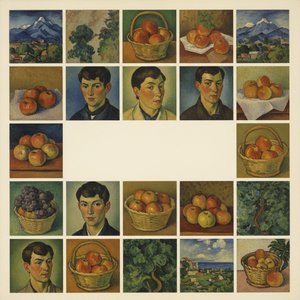
Objavte top 25 diel Paula Cézanna – impresionistické krajinomaľby, zátišia a portréty. Prežite príbeh umelca a jeho majstrovských techník. Reprodukcie obrazov pre luxusný domov na BuyPopArt.com

Objavte top 10 slávnych obrazov v odtieňoch sivej – od Van Gogha po Picassa. Ponorte sa do príbehov umelcov, techník a nadčasovej krásy. Kvalitné reprodukcie pre váš interiér na BuyPopArt.com!

Ponorte sa do sveta Winslowa Homera s BuyPopArt.com! Objavte top 25 diel majstra amerického realizmu – od ikonických morských scenérií po dojímavé krajinárske obrazy. Kvalitné reprodukcie pre váš domov. Explore the full collection online.


Zostaňte v obraze s najnovšími správami zo sveta umenia, exkluzívnymi ponukami a nápormi na dekoráciu.
Povedzte nám o svojom projekte a naši odborníci na umenie vám pripravia 3 personalizované návrhy umeleckých diel.
Nechajte si od nás vybrať 3 možnosti priamo pre vás – zadarmo!


 Náhľad
 Odoslať
 Zdieľať
 Podrobnosti o dielo

 Stiahnuť
 Podobné diela
 RTG skúška
 Prezentácia
 Zobraziť viac







 Možnosť skla je dostupná len pri rozmeroch pod 110 cm


