PreviewPreview Kúpiť tlač Kúpiť tlačObjednať reprodukciu Objednať reprodukciu OdoslaťOdoslať
Podrobnosti o dieloPodrobnosti o dielo Pridať do obľúbených Pridať do obľúbených StiahnuťStiahnuť Podobné dielaPodobné diela RTG skúškaRTG skúška PrezentáciaPrezentácia

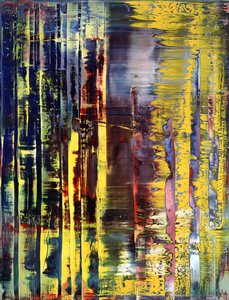
Three Figures

Explore Dino Aranda’s ‘Three Figures’ (1968) – a fragmented, impressionistic oil painting featuring muted tones & layered textures. A unique piece of Latin American art.

Discover Dino Aranda, a Nicaraguan-born artist known for evolving contemporary works exploring Latin American identity & abstract forms. See his art now!

Kúpte si digitálnu snímku vo vysokom rozlíšení s vylepšenými detailmi, ktorá je oveľa kvalitnejšia než online náhľad.

Každý súbor starostlivo pripravujú naši interní špecialisti pomocou pokročilých nástrojov a odborného manuálneho retušovania. Zabezpečujeme, aby každý obrázok disponoval výnimočnou čistotou, presnou farebnou vernosťou a jemnými detailmi.

Konečný súbor vám bude doručený e-mailom do 72 hodín, optimalizovaný pre okamžité použitie v profesionálnom, redakčnom aj tlačovom prostredí. Ide o rovnakú kvalitu, ktorej dôverajú špičkové dizajnérske štúdiá, vydavateľstvá a galérie.

Digitálny obraz

Stiahnite si vysokorozlíšený súbor na osobné zobrazovanie, tlačenie a kreatívne projekty.

Celková cena

$9.99

Súčasťou každej objednávky digitálneho obrazu

Expetórne digitálne doručenie, garantované

Keď si vyberiete BuyPopArt.com, nedostávate len obrázok – získate profesionálne upravené digitálne umenie, vytvorené s precíznosťou a so zárukou vašej maximálnej spokojnosti. Tu je všetko, čo je súčasťou vašej objednávky automaticky:

shipping_icon
Rýchle doručenie e-mailom

Vaša vysokorozlíšená digitálna súprava obrázkov vám bude zaslaná e-mailom do 72 hodín od objednávky – pripravená na okamžité použitie.

canvas_icon
Digitálny súbor s vylepšením AI

Vaše dielo je profesionálne optimalizované pomocou pokročilých nástrojov umelej inteligencie a manuálnej editácie, čo zaručuje maximálnu úroveň detailov, čistotu a presnosť farieb.

insurance_icon
Bezplatné celoživotné opätovné doručenie

Náhodou ste zmazali alebo ste stratili svoj súbor? Nebavžte sa – pošleme vám ho kedykoľvek znova, úplne bez poplatkov.

tax_icon
Bez poplatkov za dovoz – navždy

Užite si svoje umelodelo okamžite bez colných poplatkov, daní alebo nákladov na dopravu – digitálne stiahnutia sú vždy oslobodené od dane.

color_icon
Garantovaná presnosť farieb

Pomocou profesionálnych nástrojov a farebného manažmentu zabezpečujeme, aby vaša digitálna fotografia čo najpresnejšie odrážala pôvodné farby.

return_icon
60-dňová záruka spokojnosti

Ak nebudete spokojní so svojou digitálnou fotografiou, upravíme ju alebo vám vrátime 100% v priebehu 60 dní – bez zbytočných otázok.

guarantee_icon
100% Záruka vrátenia peňazí

Nie ste spokojní? Získajte plnú náhradu peňazí do 60 dní od prijatia vášho digitálneho súboru – bez zbytočných otázok.

discount_icon
Zľavy pri veľkom odbere

Kúpte si 3 obrazy, ušetrite 10% - Kúpte si 5, ušetrite 15% - Kúpte si 10+, ušetrite 20%. Ideálne pre kreatívne projekty, galérie a agentúry.


Životopis umelca

Dino Aranda: A Legacy of Latin American Abstraction

Dino Aranda, born in Managua, Nicaragua, in 1945, is a compelling figure within the landscape of contemporary art, particularly for his significant contributions to the vibrant artistic community flourishing in New York and Washington D.C. during the latter half of the 20th century. His journey as an artist began at the School of Fine Arts in Managua between 1957 and 1963, laying a foundational understanding of technique and form that would later inform his distinctive style. Aranda’s work isn't simply about representation; it’s a deeply personal exploration of Latin American identity, often conveyed through layers of abstraction and evocative symbolism. He moved to the United States in the early 1970s, immersing himself within a dynamic artistic environment that profoundly shaped his evolving aesthetic.

Early Influences and Artistic Development

Aranda’s formative years in Nicaragua instilled in him a sensitivity to color, texture, and the rich cultural heritage of his homeland. While details about specific early influences remain somewhat sparse, it's understood that he was exposed to traditional Nicaraguan art forms alongside burgeoning modern movements. This dual influence is evident in his later work – a careful balance between the raw energy of abstraction and the subtle echoes of Latin American iconography. His time at the School of Fine Arts provided him with essential skills, but it was his relocation to the United States that truly catalyzed his artistic growth. The diverse and challenging environment of New York and Washington D.C. exposed him to a vast array of artistic styles, from Abstract Expressionism to Pop Art, pushing him to experiment and refine his own unique voice.

Key Works and Recurring Themes

Aranda’s oeuvre is characterized by a remarkable evolution over several decades. Early works often featured bold color palettes and gestural brushstrokes, reflecting the energy of the 1960s. However, as he matured as an artist, his style became increasingly layered and nuanced. Pieces like “Three Figures” (1968), currently held in the Smithsonian American Art Museum’s permanent collection, exemplify this shift. The painting is a fragmented, impressionistic oil work dominated by muted tones and carefully constructed textures—a deliberate departure from straightforward representation. Recurring themes within his body of work include identity, memory, and the complexities of human experience. He frequently employs symbolic imagery – often rooted in Latin American folklore or personal narratives – to convey these ideas. The painting “Pajaro de Hierro Enjaulado (Caged Bird of Iron)” (1969), showcased at the Art Museum of the Americas, powerfully illustrates this approach, using a delicate abstraction to represent themes of confinement and resilience.

Historical Context and Artistic Significance

Aranda’s career unfolded during a period of immense social and political upheaval in Latin America. The 1960s and 70s witnessed widespread protests against authoritarian regimes, economic inequality, and the Cold War. Artists like Aranda played a crucial role in documenting these struggles through their art, often employing symbolism and allegory to convey messages of resistance and hope. His work aligns with a broader trend among Latin American artists who sought to reclaim their cultural heritage and challenge dominant narratives. He was part of a collective of artists—many of whom were exiled from their home countries—who found fertile ground for experimentation and expression in the United States, contributing significantly to the international dialogue surrounding contemporary art.

Continuing Legacy

Dino Aranda continues to be an active artist today, his work exhibited both nationally and internationally. His pieces are held in numerous public and private collections, a testament to their enduring appeal and artistic merit. His legacy extends beyond individual artworks; he represents a vital link between the vibrant artistic traditions of Nicaragua and the dynamic contemporary art scene of the United States. The Smithsonian American Art Museum’s collection, for example, provides a valuable window into his career and highlights the significance of his contributions to the broader narrative of Latin American art. His work remains a powerful reminder of the transformative potential of art as a means of exploring identity, challenging conventions, and fostering dialogue across cultures.
Dino Aranda

Dino Aranda

1945 - , Nicaragua

Základné informácie

  • Artistic Movement Or Style: Contemporary Art
  • Date Of Birth: 1945
  • Full Name: Dino Aranda
  • Nationality: Nicaraguan-American
  • Notable Artworks:
    • Three Figures
    • Pajaro de Hierro Enjaulado
  • Place Of Birth: Managua, Nicaragua