


 Oil On CanvasWallArtTonalist Landscape
 187719th Century
 51.0 x 76.0 cm
 Smithsonian American Art Museum
Ručne maľovaný olej na plátne vo vašej zvolenej veľkosti a v ráme, vyrobený na mieru našimi umelcami. ( Prejsť na tlač Prepnúť na obrázok)

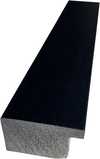
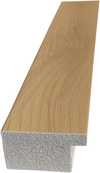

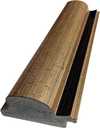

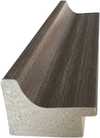
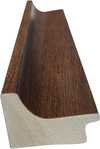
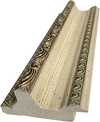

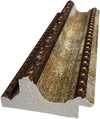
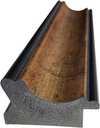




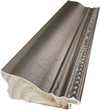
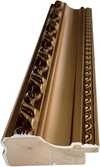

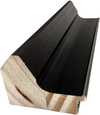
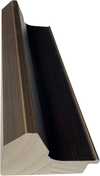

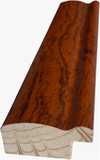
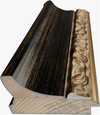

Vyberte si z našich preddefinovaných rozmerov, ktoré zodpovedajú pôvodným pomeroḿ diela.

Môžete zadať vlastné rozmery tak, aby sa hodili do konkrétneho rámu alebo priestoru. Ak sa váš zvolený rozmer nezhoduje s pôvodnými proporciami obrazu, dielo buď orezáme, alebo ho doplníme ručne maľovanými prvkami. Pred začiatkom výroby vám zašleme digitálny náhľad na schválenie.
Upozorňujeme, že ukážka na obrazovke neodráža skutočné orezanie alebo doplnenie. Skutočnú finálnu kompozíciu zobrazuje iba digitálny náhľad.
Hoci sú k dispozícii vlastné rozmery, odporúčame vybrať rozmer z preddefinovaného zoznamu, aby sme zachovali pôvodné proporcie.
Celosvetová doprava () za 3 až 4 týždne namiesto štandardných 5 týždňov. (31 júl). Bez kompromisov v kvalite.


Tree Landscape
Veľkosť reprodukcie
Edward Mitchell Bannister’s “Tree Landscape,” painted in 1877, isn’t merely a depiction of a forest; it’s an immersion into a carefully constructed mood – a profound meditation on nature’s tranquility and the subtle power of light. This oil-on-canvas work, currently residing within the Smithsonian American Art Museum's collection, offers a glimpse into the tonalist movement, a style that prioritized atmospheric effects over sharp detail, mirroring the quiet introspection of the artist himself. Bannister, born in Canada and deeply rooted in both African American and European heritage, sought to capture not just what he saw, but how it *felt* – a sentiment powerfully conveyed through his masterful manipulation of color and texture.
The scene unfolds within a dense thicket of trees, predominantly dark browns and greens that immediately establish a sense of depth. These aren’t the vibrant hues of a summer forest; instead, Bannister employs a muted palette, leaning heavily on umber, sienna, and charcoal tones to create an atmosphere of subdued light and shadow. The foreground is dominated by these imposing trees, their forms rendered with broad brushstrokes that suggest both solidity and a gentle yielding to the elements. Notice how he doesn’t meticulously define each branch or leaf; rather, he uses overlapping layers of color to build volume and create a hazy, almost dreamlike quality. This deliberate ambiguity invites the viewer to step into the painting, becoming part of the woodland experience.
Bannister’s signature style – tonalism – is exquisitely demonstrated in “Tree Landscape.” He eschewed bright highlights and sharp contrasts, favoring instead a gradual shift between light and dark. The sunlight, filtering through the canopy above, isn't presented as a direct beam but rather as a diffused glow that casts dappled shadows across the forest floor. This subtle interplay of illumination and obscurity is crucial to the painting’s emotional impact. It evokes a sense of peace and contemplation, suggesting a timelessness and connection to something larger than oneself. The artist’s skill lies not in replicating reality with photographic accuracy but in conveying its essence – the feeling of being enveloped by nature's embrace.
The composition itself is carefully balanced, drawing the eye towards a distant clearing. This strategic use of perspective creates a sense of depth and invites the viewer to imagine what lies beyond the trees. The placement of the largest tree on the left side anchors the scene while simultaneously directing our gaze forward. Bannister’s choice of a slightly elevated vantage point further enhances this effect, offering a panoramic view of the woodland expanse.
Understanding Edward Mitchell Bannister requires acknowledging the significant obstacles he faced as an African American artist in 19th-century America. Despite enduring racial prejudice and limited opportunities, he persevered, establishing himself as a respected figure within Boston’s artistic community and contributing significantly to the development of American landscape painting. “Tree Landscape” stands as a testament to his dedication and talent – a poignant reminder of his ability to capture beauty even amidst adversity. The painting's quiet dignity reflects Bannister’s own resilience, offering a powerful message about the enduring spirit of creativity in the face of societal constraints.
Furthermore, research reveals that Bannister’s work was often commissioned by members of the African American community, highlighting his role as a cultural figure and advocate for representation. The Smithsonian's collection provides valuable context to this history, ensuring that Bannister’s contributions are recognized and celebrated. The painting’s current location within the museum underscores its importance as a significant piece of American art history.

1828 - 1901 , Kanada

Ponorte sa do sveta Edwarda Hoppera s BuyPopArt.com! Objavte top 25 diel amerického realizmu, plných samoty a ikonických mestských krajín. Reprodukcie obrazov pre váš dokonalý interiér – kúpiť teraz na BuyPopArt.com

Discover the remarkable life & art of Edward Mitchell Bannister, a pioneering African American landscape painter. Explore his journey overcoming barriers to achieve recognition and lasting impact on 19th-century American art.

Explore the rich history of trees in painting! Discover symbolism, Romantic masterpieces by Caspar David Friedrich & beyond. A curated journey for art enthusiasts.

Explore the rich history of trees in painting! Discover symbolism, Romantic masterpieces by Caspar David Friedrich & beyond. A curated journey for art enthusiasts.

Explore the rich history of forests in art! Discover Romantic masterpieces by Friedrich & Monet, Symbolist depths, and contemporary visions. Find inspiration & quality reproductions at BuyPopArt.


Zostaňte v obraze s najnovšími správami zo sveta umenia, exkluzívnymi ponukami a nápormi na dekoráciu.
Povedzte nám o svojom projekte a naši odborníci na umenie vám pripravia 3 personalizované návrhy umeleckých diel.
Nechajte si od nás vybrať 3 možnosti priamo pre vás – zadarmo!


 Náhľad
 Odoslať
 Zdieľať
 Podrobnosti o dielo

 Stiahnuť
 Podobné diela
 RTG skúška
 Prezentácia
 Zobraziť viac

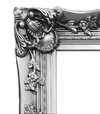
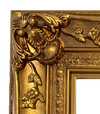
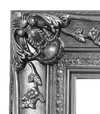
 Možnosť skla je dostupná len pri rozmeroch pod 110 cm


