

 Acrylic On CanvasWallArtExpressionism
 1910
1910 29.0 x 19.0 cm
Giclée tlač alebo plátno múzeálnej kvality s rýchlou výrobou a flexibilnými možnosťami povrchovej úpravy. ( Kúpiť ručne maľovaný obraz Kúpiť obrázok)





























Vyberte si z našich preddefinovaných rozmerov, ktoré zodpovedajú pôvodným pomeroḿ diela.

Môžete zadať vlastné rozmery, aby sa reprodukcia prispôsobila konkrétnemu rámu alebo priestoru. Ak zvolená veľkosť nebude zodpovedať proporciám originálu, dielo buď orežeme, alebo obraz rozšírime pomocou zrkadlenia či farebného doplnenia okrajov. Pred začatím výroby vám pošleme digitálnu ukážku na schválenie.
Máte na vedomí, že náhľad na obrazovke neodzrkadľuje skutočné orezanie alebo rozšírenie. Len digitálna ukážka presne zobrazí finálnu kompozíciu.
Hoci sú k dispozícii vlastné rozmery, pre zachovanie pôvodných proporcií odporúčame vybrať si rozmer z vopred definovaného zoznamu.
Celosvetová doprava () do 2 týždňov namiesto štandardných 4/5 týždňov. (17 august)


Poem
Veľkosť reprodukcie
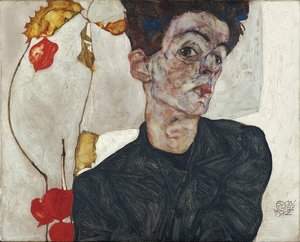
Egon Schiele’s “Poem,” completed in 1910, stands as a deceptively simple yet profoundly resonant testament to the artist's signature style and his preoccupation with themes of vulnerability and unspoken emotion. This unassuming watercolor—measuring 29 x 19 cm—captures a moment frozen in time: a sheet of paper bearing handwritten words, rendered in muted tones that amplify rather than diminish their impact.
The photograph itself presents a deliberate ambiguity. The blurry texture of the paper suggests age and preservation, hinting at a history unseen but felt nonetheless. It’s not merely an image of text; it's an emblem of communication—or perhaps its absence—a subtle invitation to contemplate what lies beneath the surface.
Schiele's work emerged during Vienna’s vibrant artistic milieu—a period marked by experimentation and a fervent embrace of Expressionism. Influenced heavily by Gustav Klimt, Schiele wrestled with anxieties surrounding sexuality, mortality, and the human condition. The painting reflects this broader cultural preoccupation with confronting uncomfortable truths about existence.
Vienna at the turn of the century was undergoing rapid social change—industrialization, urbanization, and burgeoning intellectual currents challenged traditional values. Artists like Schiele responded to these shifts by rejecting academic conventions in favor of emotionally charged imagery that prioritized subjective experience over objective representation. “Poem” embodies this spirit of rebellion against established norms.
The handwritten words on the paper are deliberately obscured, adding another layer of complexity to the artwork’s symbolic significance. They represent unspoken thoughts—perhaps desires, fears, or confessions—that remain hidden from view. This deliberate concealment underscores Schiele's fascination with psychological depth and his ability to convey emotion through visual suggestion.
The paper itself serves as a metaphor for fragility—a vulnerable surface bearing the marks of time and experience. Like Schiele’s own life, “Poem” confronts us with the inevitability of decay and loss, prompting contemplation on the ephemeral nature of beauty and consciousness. It's a piece that lingers in the mind long after viewing, inviting repeated observation and rewarding careful consideration.
1890 - 1918 , Rakúsko

Dive into the raw, visceral world of Figurative Expressionism. Explore how icons like Schiele and Bacon use bold textures and intense human forms to redefine modern aesthetics. Discover high-impact art that brings unapologetic energy and emotional depth to your contemporary space.


Zostaňte v obraze s najnovšími správami zo sveta umenia, exkluzívnymi ponukami a nápormi na dekoráciu.
Povedzte nám o svojom projekte a naši odborníci na umenie vám pripravia 3 personalizované návrhy umeleckých diel.
Nechajte si od nás vybrať 3 možnosti priamo pre vás – zadarmo!


 Náhľad
 Odoslať
 Zdieľať
 Podrobnosti o dielo

 Stiahnuť
 Podobné diela
 RTG skúška
 Prezentácia
 Zobraziť viac







 Možnosť skla je dostupná len pri rozmeroch pod 110 cm


