

Kúpte si digitálnu snímku vo vysokom rozlíšení s vylepšenými detailmi, ktorá je oveľa kvalitnejšia než online náhľad.
Každý súbor starostlivo pripravujú naši interní špecialisti pomocou pokročilých nástrojov a odborného manuálneho retušovania. Zabezpečujeme, aby každý obrázok disponoval výnimočnou čistotou, presnou farebnou vernosťou a jemnými detailmi.
Konečný súbor vám bude doručený e-mailom do 72 hodín, optimalizovaný pre okamžité použitie v profesionálnom, redakčnom aj tlačovom prostredí. Ide o rovnakú kvalitu, ktorej dôverajú špičkové dizajnérske štúdiá, vydavateľstvá a galérie.
Stiahnite si vysokorozlíšený súbor na osobné zobrazovanie, tlačenie a kreatívne projekty. ( Kúpiť tlač Kúpiť ručne maľovaný obraz)
Keď si vyberiete BuyPopArt.com, nedostávate len obrázok – získate profesionálne upravené digitálne umenie, vytvorené s precíznosťou a so zárukou vašej maximálnej spokojnosti. Tu je všetko, čo je súčasťou vašej objednávky automaticky:

Vaša vysokorozlíšená digitálna súprava obrázkov vám bude zaslaná e-mailom do 72 hodín od objednávky – pripravená na okamžité použitie.

Vaše dielo je profesionálne optimalizované pomocou pokročilých nástrojov umelej inteligencie a manuálnej editácie, čo zaručuje maximálnu úroveň detailov, čistotu a presnosť farieb.

Náhodou ste zmazali alebo ste stratili svoj súbor? Nebavžte sa – pošleme vám ho kedykoľvek znova, úplne bez poplatkov.

Užite si svoje umelodelo okamžite bez colných poplatkov, daní alebo nákladov na dopravu – digitálne stiahnutia sú vždy oslobodené od dane.

Pomocou profesionálnych nástrojov a farebného manažmentu zabezpečujeme, aby vaša digitálna fotografia čo najpresnejšie odrážala pôvodné farby.

Ak nebudete spokojní so svojou digitálnou fotografiou, upravíme ju alebo vám vrátime 100% v priebehu 60 dní – bez zbytočných otázok.

Nie ste spokojní? Získajte plnú náhradu peňazí do 60 dní od prijatia vášho digitálneho súboru – bez zbytočných otázok.

Kúpte si 3 obrazy, ušetrite 10% - Kúpte si 5, ušetrite 15% - Kúpte si 10+, ušetrite 20%. Ideálne pre kreatívne projekty, galérie a agentúry.
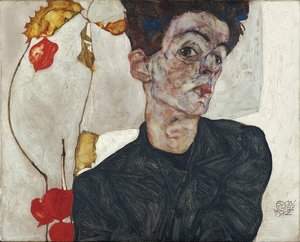
Egon Schiele's "Untitled (9944)," a strikingly intimate drawing, isn’t merely a depiction of the human form; it’s a profound exploration of vulnerability, introspection, and the unsettling beauty of mortality. Created during a turbulent period in his life – 1918, just before his untimely death – this work embodies the core tenets of Austrian Expressionism, showcasing Schiele's signature style characterized by intensely rendered lines, a muted yet emotionally charged palette, and an unnerving honesty that pierces through the surface to reveal a deeply troubled psyche. The drawing’s power lies not in idealized beauty but in its raw, almost brutal realism, capturing a moment of quiet contemplation within a figure grappling with unseen anxieties.
The subject is a nude female form, reclining in a pose that suggests both surrender and resistance. Her body, rendered with meticulous detail through cross-hatching and stippling – techniques that build texture and volume – feels simultaneously fragile and resilient. The lines themselves are not smooth or flowing; they’re sharp, angular, almost aggressive, mirroring the emotional intensity of the scene. The figure's gaze is downward, lost in thought, creating a sense of isolation and inviting the viewer to share in her silent struggle. There’s an undeniable tension between vulnerability and strength, a quiet defiance that elevates the piece beyond a simple nude study.
Schiele's technical prowess is immediately apparent in "Untitled (9944)." He masterfully employs line to define form, creating an illusion of three-dimensionality despite the drawing’s two-dimensional nature. The use of shading isn’t subtle; it’s bold and dramatic, emphasizing musculature and contours with a deliberate intensity. Notice how the darker tones are concentrated in the shadows, adding depth and volume while simultaneously contributing to the overall sense of unease. The monochromatic color scheme – primarily browns and ochres – further enhances this effect, lending the drawing a vintage quality that feels both timeless and deeply personal.
The technique itself suggests a deliberate process of observation and translation. Schiele wasn’t simply sketching; he was dissecting the human form, analyzing its structure and expressing it through his unique visual language. The layering of lines, the careful manipulation of light and shadow – all contribute to a sense of meticulous control tempered by an underlying emotional urgency. It's a testament to his ability to convey complex psychological states through purely formal means.
To understand “Untitled (9944)” fully, it’s crucial to consider the context in which Schiele was creating it – a period marked by personal tragedy and artistic experimentation. His father's death from syphilis, coupled with his sister Elvira’s early demise, cast a long shadow over his life and work. These experiences fueled an obsession with mortality, illness, and the fragility of human existence—themes that permeate much of his oeuvre. The drawing can be interpreted as a meditation on these anxieties, a visual representation of the internal struggles he faced.
Symbolism subtly underscores the piece’s emotional weight. The reclining pose itself is laden with meaning – suggesting both vulnerability and acceptance. The downward gaze hints at introspection and perhaps even despair. The overall composition evokes a sense of isolation, reinforcing the feeling that the figure is grappling with something profound and deeply personal. It's not an overt or didactic symbolism; rather, it’s a quiet, understated resonance that invites contemplation and interpretation.
Egon Schiele’s “Untitled (9944)” is more than just a drawing; it's a poignant window into the soul of a tormented genius. Its raw honesty, technical brilliance, and subtle symbolism continue to resonate with viewers today. Reproductions of this powerful work offer a unique opportunity to experience the intensity of Schiele’s vision firsthand, bringing his deeply personal exploration of human vulnerability and mortality into your own space.
Consider incorporating this piece – or a high-quality reproduction – into your interior design scheme to create an atmosphere of thoughtful contemplation. Its evocative power can serve as a reminder of the complexities of the human experience and the enduring beauty found within moments of quiet introspection.
1890 - 1918 , Rakúsko


Zostaňte v obraze s najnovšími správami zo sveta umenia, exkluzívnymi ponukami a nápormi na dekoráciu.
Povedzte nám o svojom projekte a naši odborníci na umenie vám pripravia 3 personalizované návrhy umeleckých diel.
Nechajte si od nás vybrať 3 možnosti priamo pre vás – zadarmo!


 Náhľad
 Odoslať
 Zdieľať
 Podrobnosti o dielo

 Stiahnuť
 Podobné diela
 RTG skúška
 Prezentácia
 Zobraziť viac