Ručne maľovaný olej na plátne vo vašej zvolenej veľkosti a v ráme, vyrobený na mieru našimi umelcami. ( Prejsť na tlač Prepnúť na obrázok)





























Vyberte si z našich preddefinovaných rozmerov, ktoré zodpovedajú pôvodným pomeroḿ diela.

Môžete zadať vlastné rozmery tak, aby sa hodili do konkrétneho rámu alebo priestoru. Ak sa váš zvolený rozmer nezhoduje s pôvodnými proporciami obrazu, dielo buď orezáme, alebo ho doplníme ručne maľovanými prvkami. Pred začiatkom výroby vám zašleme digitálny náhľad na schválenie.
Upozorňujeme, že ukážka na obrazovke neodráža skutočné orezanie alebo doplnenie. Skutočnú finálnu kompozíciu zobrazuje iba digitálny náhľad.
Hoci sú k dispozícii vlastné rozmery, odporúčame vybrať rozmer z preddefinovaného zoznamu, aby sme zachovali pôvodné proporcie.
Celosvetová doprava () za 3 až 4 týždne namiesto štandardných 5 týždňov. (11 august). Bez kompromisov v kvalite.


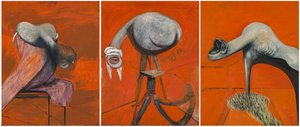
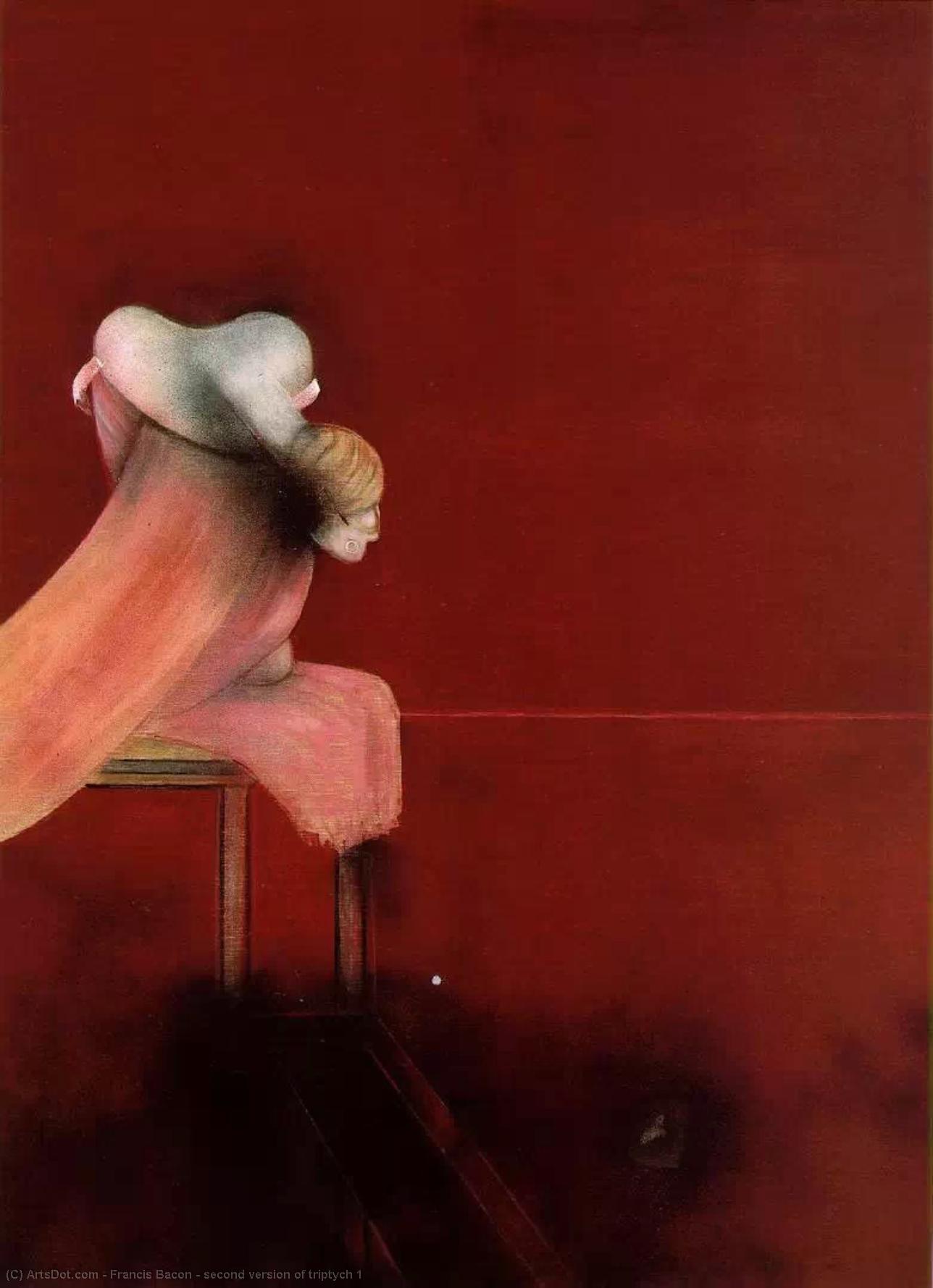
second version of triptych 1
Veľkosť reprodukcie
This arresting image, a “Second Version” created in 1988 from the original 1944 work, offers an unflinching glimpse into the tormented psyche of Francis Bacon. Executed during a period of profound artistic and personal upheaval, it embodies the core tenets of his mature style – a brutal honesty rendered with unsettling precision. The composition immediately confronts the viewer with a solitary figure seated in a chair, head bowed, their appearance obscured by a mask-like distortion. This deliberate ambiguity is central to Bacon’s project: he wasn't interested in depicting recognizable reality but rather in conveying raw emotion and existential dread.
Painted in 1944, at the height of World War II, this work reflects the pervasive sense of anxiety and disillusionment that gripped Europe. Bacon’s early life, marked by instability and his mother's illness, undoubtedly informed his artistic vision. The displacement he experienced – both physical and emotional – resonates powerfully within the painting. This wasn't merely a depiction of an individual; it was a visual manifestation of the collective trauma of the era, a reflection on the loss of innocence and the fragility of human existence.
The “Second Version” created nearly four decades later demonstrates Bacon’s continued engagement with these themes. The fact that he revisited this subject matter suggests a persistent preoccupation with the darker aspects of the human condition – a theme that would define much of his career.
The mask-like distortion of the figure is perhaps the most compelling element of the painting. It obscures identity, suggesting a loss of self and an inability to connect with others. The chair itself can be interpreted as a symbol of confinement, further emphasizing the sense of isolation. Bacon was deeply interested in exploring the subconscious mind, and his work often operates on a profoundly psychological level. He sought to capture not just what he *saw*, but what he *felt* – the raw, unfiltered emotions that lie beneath the surface of consciousness.
‘Second Version of Triptych 1’ is not a comfortable image; it demands attention and provokes a visceral response. Bacon's work continues to resonate with viewers today because it confronts us with uncomfortable truths about ourselves and the world around us. It stands as a testament to his courage, his artistic vision, and his ability to translate profound psychological states into powerful visual form. This reproduction offers an opportunity to experience firsthand the intensity and emotional depth of one of the 20th century’s most significant artists.
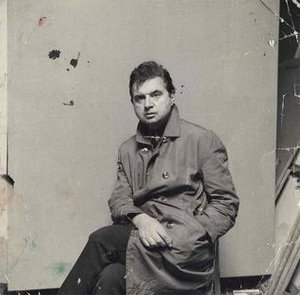
1909 - 1992 , Írsko

Discover BuyPopArt.com's premium poster prints. Featuring 12-color pigment technology and museum-grade substrates, our versatile, high-fidelity prints offer vivid colors and archival quality for sophisticated modern decor. Elevate your space with professional art solutions.


Zostaňte v obraze s najnovšími správami zo sveta umenia, exkluzívnymi ponukami a nápormi na dekoráciu.
Povedzte nám o svojom projekte a naši odborníci na umenie vám pripravia 3 personalizované návrhy umeleckých diel.
Nechajte si od nás vybrať 3 možnosti priamo pre vás – zadarmo!


 Náhľad
 Odoslať
 Zdieľať
 Podrobnosti o dielo

 Stiahnuť
 Podobné diela
 RTG skúška
 Prezentácia

 Zobraziť viac







 Možnosť skla je dostupná len pri rozmeroch pod 110 cm