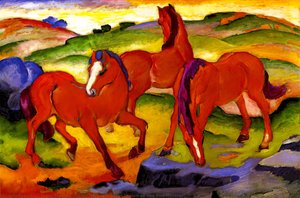
Giclée tlač alebo plátno múzeálnej kvality s rýchlou výrobou a flexibilnými možnosťami povrchovej úpravy. ( Kúpiť ručne maľovaný obraz Kúpiť obrázok)





























Vyberte si z našich preddefinovaných rozmerov, ktoré zodpovedajú pôvodným pomeroḿ diela.

Môžete zadať vlastné rozmery, aby sa reprodukcia prispôsobila konkrétnemu rámu alebo priestoru. Ak zvolená veľkosť nebude zodpovedať proporciám originálu, dielo buď orežeme, alebo obraz rozšírime pomocou zrkadlenia či farebného doplnenia okrajov. Pred začatím výroby vám pošleme digitálnu ukážku na schválenie.
Máte na vedomí, že náhľad na obrazovke neodzrkadľuje skutočné orezanie alebo rozšírenie. Len digitálna ukážka presne zobrazí finálnu kompozíciu.
Hoci sú k dispozícii vlastné rozmery, pre zachovanie pôvodných proporcií odporúčame vybrať si rozmer z vopred definovaného zoznamu.
Celosvetová doprava () do 2 týždňov namiesto štandardných 4/5 týždňov. (12 august)


Tiger
Veľkosť reprodukcie
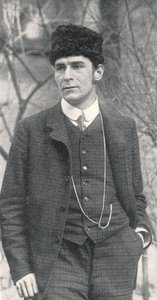
1880 - 1916 , Nemecko

Ponorte sa do sveta Marca Chagalla s BuyPopArt.sk! Objavte top 25 diel majstra snov, plných farieb a židovskej symboliky. Reprodukcie obrazov, životopis umelca a inšpirácia pre váš interiér. Explore the full collection online!

Ponorte sa do sveta nemeckého expresionizmu s BuyPopArt! Objavte 10 majstrovských diel Kandinského, Muncha a ďalších. Luxusné reprodukcie obrazov pre váš domov – emotívne umenie online. Explore the full collection on BuyPopArt.com

Explore the profound world of Franz Marc's Expressionist paintings. Discover his spiritual connection to animals, innovative use of color, and lasting impact on modern art history. Learn more at BuyPopArt.

Preskúmajte fascinujúci svet zvierat v umení a dizajne interiérov. Od symboliky po terapeutické účinky – objavte ich trvalý význam s .

Ponorte sa do sveta kubizmu a expresionizmu s top 10 majstrovskými dielami od Picassa, Braquea a ďalších. Objavte príbehy za ikonickými obrazmi a inšpirujte sa pre váš domov. Kvalitné reprodukcie na BuyPopArt.com!


Zostaňte v obraze s najnovšími správami zo sveta umenia, exkluzívnymi ponukami a nápormi na dekoráciu.
Povedzte nám o svojom projekte a naši odborníci na umenie vám pripravia 3 personalizované návrhy umeleckých diel.
Nechajte si od nás vybrať 3 možnosti priamo pre vás – zadarmo!


 Náhľad
 Odoslať
 Zdieľať
 Podrobnosti o dielo

 Stiahnuť
 Podobné diela
 RTG skúška
 Prezentácia

 Zobraziť viac







 Možnosť skla je dostupná len pri rozmeroch pod 110 cm