

Giclée tlač alebo plátno múzeálnej kvality s rýchlou výrobou a flexibilnými možnosťami povrchovej úpravy. ( Kúpiť ručne maľovaný obraz Kúpiť obrázok)





























Vyberte si z našich preddefinovaných rozmerov, ktoré zodpovedajú pôvodným pomeroḿ diela.

Môžete zadať vlastné rozmery, aby sa reprodukcia prispôsobila konkrétnemu rámu alebo priestoru. Ak zvolená veľkosť nebude zodpovedať proporciám originálu, dielo buď orežeme, alebo obraz rozšírime pomocou zrkadlenia či farebného doplnenia okrajov. Pred začatím výroby vám pošleme digitálnu ukážku na schválenie.
Máte na vedomí, že náhľad na obrazovke neodzrkadľuje skutočné orezanie alebo rozšírenie. Len digitálna ukážka presne zobrazí finálnu kompozíciu.
Hoci sú k dispozícii vlastné rozmery, pre zachovanie pôvodných proporcií odporúčame vybrať si rozmer z vopred definovaného zoznamu.
Celosvetová doprava () do 2 týždňov namiesto štandardných 4/5 týždňov. (18 august)


Moonrise
Veľkosť reprodukcie
Frederick McCubbin’s “Moonrise,” painted in 1909, isn't merely a landscape; it’s a distilled essence of the Australian experience. Captured with an almost dreamlike quality, the painting transports us to a quiet corner of rural Victoria, bathed in the ethereal glow of a full moon. The scene unfolds within a familiar yet subtly heightened reality – a small farmhouse nestled amongst rolling hills, its smoke curling upwards as if whispering tales of daily life. McCubbin masterfully employs an Australian Impressionist style, prioritizing light and atmosphere over precise detail, mirroring the techniques he’d absorbed from his contemporaries like Tom Roberts and Charles Conder.
The painting's power lies in its ability to evoke a profound sense of tranquility and nostalgia. It’s a scene that speaks to the enduring connection between humanity and the land – a quiet acknowledgement of the rhythms of nature and the simple pleasures of rural existence. The muted palette, dominated by blues, greys, and ochres, contributes significantly to this mood, creating an atmosphere of serene contemplation. Notice how McCubbin uses subtle gradations of color to suggest depth and distance, drawing the viewer into the heart of the scene.
To fully appreciate “Moonrise,” it’s crucial to understand its place within the Heidelberg School. This influential group of artists, active in the late 19th and early 20th centuries, sought to define a distinctly Australian artistic identity. Rejecting European academic traditions, they embraced plein air painting – working directly from nature – and focused on depicting scenes of rural life, pioneering settlements, and the vast landscapes of the continent. McCubbin’s work is emblematic of this movement, capturing the spirit of the bush with an honesty and sensitivity rarely seen before.
The choice of subject matter—a humble farmhouse under a luminous moon—is deliberate. It reflects the values of the Australian pioneers: resilience, self-sufficiency, and a deep respect for the land. McCubbin wasn’t interested in grand historical narratives or dramatic events; instead, he chose to portray the everyday realities of rural life, imbuing them with a quiet dignity and beauty.
Beyond its aesthetic appeal, “Moonrise” is rich in symbolic meaning. The moon itself – a recurring motif in McCubbin’s work – represents both illumination and mystery. It casts an otherworldly glow upon the landscape, transforming the familiar into something almost magical. The smoke rising from the farmhouse suggests warmth, family, and continuity—a connection to generations past. The fence enclosing the property symbolizes boundaries, but also a sense of enclosure and protection.
Furthermore, consider the composition: the small house positioned centrally draws our eye, anchoring us within this scene. The distant hills create a sense of vastness and solitude, while the water in the background offers a subtle reflection of the moonlit sky. These elements work together to create a harmonious whole, conveying a feeling of peace and belonging.
“Moonrise” remains one of Frederick McCubbin’s most celebrated works, now housed at the National Gallery of Victoria in Melbourne. Reproductions offer an accessible way to experience its beauty and contemplate its deeper meanings. When selecting a reproduction, consider the quality of the print and the accuracy with which it captures the original's nuanced colors and textures. It is a timeless piece that continues to resonate with audiences today, reminding us of the enduring allure of the Australian landscape and the quiet dignity of rural life.

1855 - 1917 , Austrália
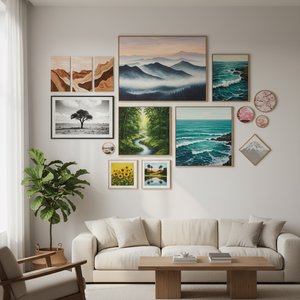
Objavte top 10 krajín v umení od Van Gogha po Monet! Prežite príbehy slávnych majstrov a ich ikonických diel. Reprodukcie obrazov pre váš domov na BuyPopArt.com – múzejná kvalita, inšpirácia a dekorácie.
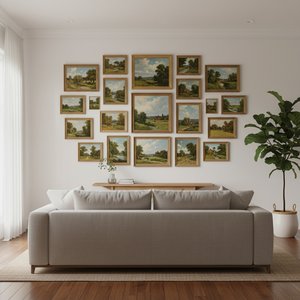
Ponorte sa do sveta Johna Constabla s BuyPopArt.sk! Objavte top 25 majstrovských diel anglického romantizmu – od ikonického Hay Wain až po krajinárske motívy Suffolku. Kvalitné reprodukcie obrazov pre váš domov. Preskúmajte celú kolekciu online!

Explore the rich history of rural landscape painting with BuyPopArt. Discover Impressionist masterpieces, key artists & movements. Find your perfect serene artwork and bring nature's beauty home.
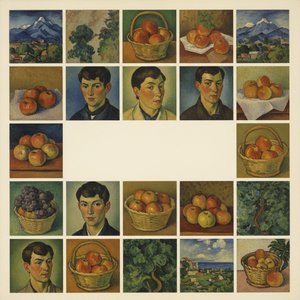
Objavte top 25 diel Paula Cézanna – impresionistické krajinomaľby, zátišia a portréty. Prežite príbeh umelca a jeho majstrovských techník. Reprodukcie obrazov pre luxusný domov na BuyPopArt.com
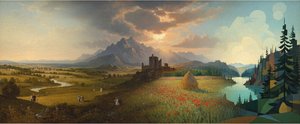
Explore the rich history of landscape art with BuyPopArt. Discover renowned artists, movements like Impressionism & Romanticism, and expert guidance for collecting timeless pieces. Find your perfect serene escape today!


Zostaňte v obraze s najnovšími správami zo sveta umenia, exkluzívnymi ponukami a nápormi na dekoráciu.
Povedzte nám o svojom projekte a naši odborníci na umenie vám pripravia 3 personalizované návrhy umeleckých diel.
Nechajte si od nás vybrať 3 možnosti priamo pre vás – zadarmo!


 Náhľad
 Odoslať
 Zdieľať
 Podrobnosti o dielo

 Stiahnuť
 Podobné diela
 RTG skúška
 Prezentácia


 Zobraziť viac







 Možnosť skla je dostupná len pri rozmeroch pod 110 cm


