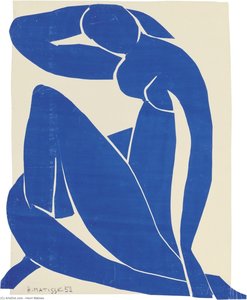
Akryl na plátneWallArtFauvism
 1912Modernizmus
 192.0 x 115.0 cm
Giclée tlač alebo plátno múzeálnej kvality s rýchlou výrobou a flexibilnými možnosťami povrchovej úpravy. ( Kúpiť ručne maľovaný obraz Kúpiť obrázok)





























Vyberte si z našich preddefinovaných rozmerov, ktoré zodpovedajú pôvodným pomeroḿ diela.

Môžete zadať vlastné rozmery, aby sa reprodukcia prispôsobila konkrétnemu rámu alebo priestoru. Ak zvolená veľkosť nebude zodpovedať proporciám originálu, dielo buď orežeme, alebo obraz rozšírime pomocou zrkadlenia či farebného doplnenia okrajov. Pred začatím výroby vám pošleme digitálnu ukážku na schválenie.
Máte na vedomí, že náhľad na obrazovke neodzrkadľuje skutočné orezanie alebo rozšírenie. Len digitálna ukážka presne zobrazí finálnu kompozíciu.
Hoci sú k dispozícii vlastné rozmery, pre zachovanie pôvodných proporcií odporúčame vybrať si rozmer z vopred definovaného zoznamu.
Celosvetová doprava () do 2 týždňov namiesto štandardných 4/5 týždňov. (14 august)


Dance
Veľkosť reprodukcie
Henri Matisse’s “Dance” (1912) stands as a cornerstone of Fauvist art—a movement that irrevocably altered the course of 20th-century painting. More than just an image, it's an embodiment of liberation and joy, captured with audacious brushstrokes and pigments that defy conventional representation.
Painted during Matisse’s formative years alongside Pablo Picasso, “Dance” reflects the broader artistic currents of its time. Artists were actively rejecting academic conventions in favor of exploring primal emotions and sensations—a reaction against the perceived rigidity of Impressionism. Matisse's fascination with African masks and tribal art profoundly influenced his stylistic choices, injecting a raw energy and expressive freedom into his canvases.
The painting’s composition is deceptively simple yet remarkably effective. A group of nude figures occupies the central space in a swirling circular formation, mirroring the rhythm of dance itself. Matisse employs a masterful juxtaposition of warm hues—primarily reds, oranges, and yellows—against cooler blues and greens—creating visual tension that conveys dynamism and emotional release. The dancer’s poses are deliberately stylized, prioritizing gesture and movement over anatomical accuracy.
Matisse achieved his signature style through a technique characterized by thick impasto – applying paint directly onto the canvas with visible brushstrokes—creating textural surfaces that pulsate with color. This bold approach was revolutionary for its time, prioritizing expressive gesture over meticulous detail. The artist meticulously blended colors to achieve luminous effects and heighten the emotional impact of the scene.
"Dance" wasn’t merely a stylistic outlier; it served as a catalyst for subsequent artistic movements. Its embrace of color and expressive abstraction paved the way for Cubism, Futurism, Surrealism, and numerous other avant-garde explorations. As evidenced by reproductions like “Nasturtiums with \"The Dance\"” (Metropolitan Museum of Art), Matisse’s vision continues to inspire artists and collectors alike—a testament to his enduring contribution to the history of art.
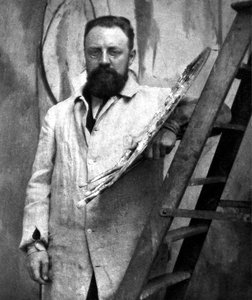
1869 - 1954 , Francúzsko

Explore the vibrant world of Fauvism with our expert guide. Discover how masters like Henri Matisse revolutionized art through bold colors and expressive strokes, defining a movement that continues to inspire collectors and art enthusiasts worldwide.

Elevate your space with bold, iconic dance art. From street art vibes to Pop Art masterpieces, discover high-impact, hand-painted reproductions and custom commissions designed to move you. Transform your walls with the rhythm of contemporary culture.


Zostaňte v obraze s najnovšími správami zo sveta umenia, exkluzívnymi ponukami a nápormi na dekoráciu.
Povedzte nám o svojom projekte a naši odborníci na umenie vám pripravia 3 personalizované návrhy umeleckých diel.
Nechajte si od nás vybrať 3 možnosti priamo pre vás – zadarmo!


 Náhľad
 Odoslať
 Zdieľať
 Podrobnosti o dielo

 Stiahnuť
 Podobné diela
 RTG skúška
 Prezentácia
 Zobraziť viac







 Možnosť skla je dostupná len pri rozmeroch pod 110 cm