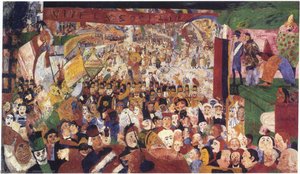
Giclée tlač alebo plátno múzeálnej kvality s rýchlou výrobou a flexibilnými možnosťami povrchovej úpravy. ( Kúpiť ručne maľovaný obraz Kúpiť obrázok)





























Vyberte si z našich preddefinovaných rozmerov, ktoré zodpovedajú pôvodným pomeroḿ diela.

Môžete zadať vlastné rozmery, aby sa reprodukcia prispôsobila konkrétnemu rámu alebo priestoru. Ak zvolená veľkosť nebude zodpovedať proporciám originálu, dielo buď orežeme, alebo obraz rozšírime pomocou zrkadlenia či farebného doplnenia okrajov. Pred začatím výroby vám pošleme digitálnu ukážku na schválenie.
Máte na vedomí, že náhľad na obrazovke neodzrkadľuje skutočné orezanie alebo rozšírenie. Len digitálna ukážka presne zobrazí finálnu kompozíciu.
Hoci sú k dispozícii vlastné rozmery, pre zachovanie pôvodných proporcií odporúčame vybrať si rozmer z vopred definovaného zoznamu.
Celosvetová doprava () do 2 týždňov namiesto štandardných 4/5 týždňov. (12 august)


Figure reveche
Veľkosť reprodukcie
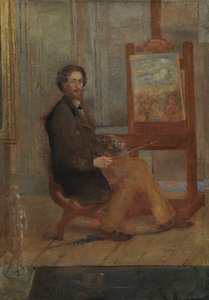
James Ensor’s “Figure Reveche,” completed in 1889, stands as a cornerstone of Expressionist painting and a haunting meditation on identity and concealment. More than just a depiction of a man seated in a chair—though the chair itself is deliberately positioned to dominate the composition—the canvas pulsates with unsettling psychological depth, reflecting Ensor’s profound preoccupation with themes of masks, repression, and the anxieties inherent in modern life.
Ensor eschewed academic conventions entirely, prioritizing a visceral response to his subject matter over meticulous realism. He employed thick impasto brushstrokes—a technique characteristic of Expressionism—to build up textured surfaces that convey palpable emotion. The palette is muted yet unsettling, dominated by earthy browns and ochres punctuated by flashes of crimson and yellow, mirroring the psychological turmoil simmering beneath the surface.
Painted during a period marked by burgeoning industrialization and social upheaval in Belgium—and Europe more broadly— “Figure Reveche” captures the zeitgeist of its time. Ensor’s artistic vision aligns powerfully with the broader intellectual currents of Symbolism and Impressionism, reacting against the prevailing optimism of the Belle Époque. The painting speaks to a growing awareness of psychological complexities and the fragmentation of selfhood – concerns that would become central to subsequent artistic movements.
The title itself— “Figure Reveche”—translates to “Revealed Face,” hinting at the paradoxical nature of Ensor’s portrayal. The man's gaze is direct, confrontational, yet simultaneously averted; he wears a mask – not merely literal but symbolic – concealing his inner thoughts and emotions. This deliberate ambiguity underscores Ensor’s exploration of psychological repression and the difficulty of achieving genuine self-awareness. Furthermore, the floral wallpaper serves as an ironic counterpoint to the man's solemn demeanor, representing beauty and tranquility juxtaposed against the pervasive sense of unease.
"Figure Reveche" isn’t merely a portrait; it’s an invitation to contemplate the darker recesses of human consciousness. Ensor's masterful manipulation of color, texture, and composition compels viewers to confront uncomfortable truths about vulnerability and concealment. The painting lingers in the mind long after viewing, prompting reflection on the masks we wear daily and the anxieties that underpin our perceptions of reality—a testament to Ensor’s enduring legacy as a visionary artist who dared to explore the shadowed landscapes of the human psyche.
1860 - 1949 , Belgie

Objavte top 25 majstrovských diel Alfreda Jamesa Munninga – britského impresionistu oslávujúceho kone a krajinu. Historické maľby, portréty koní a vojnové scény v múzejnej kvalite. Nájdite perfektnú dekoráciu interiéru na BuyPopArt.com

Explore the unsettling yet captivating world of James Ensor, a pioneer of Expressionism. Discover his satirical masterpieces, symbolic imagery & lasting influence on modern art. High-quality reproductions available at BuyPopArt.
Ponorte sa do sveta Jamesa Abbotta McNeilla Whistlera! Objavte 25 ikonických diel amerického impresionistu – portréty, Nocturnes a farebné harmónie. Kúpiť reprodukcie obrazov pre luxusný interiér na BuyPopArt.com.

Objavte svet ručnej reprodukcie olejomaľby s BuyPopArt! Kvalitné obrazy na mieru pre galérie a hotely. Tradičné techniky, prvotriedne materiály a odborné poradenstvo. Investujte do umenia, ktoré zanechá trvalý dojem.

Objavte trvalé dedičstvo ručne maľovaných olejomaľov. Preskúmajte estetickú hodnotu, techniky majstrov a investičný potenciál diel s BuyPopArt. Konzervácia, emocionálna rezonancia a exkluzívne zbierky.


Zostaňte v obraze s najnovšími správami zo sveta umenia, exkluzívnymi ponukami a nápormi na dekoráciu.
Povedzte nám o svojom projekte a naši odborníci na umenie vám pripravia 3 personalizované návrhy umeleckých diel.
Nechajte si od nás vybrať 3 možnosti priamo pre vás – zadarmo!


 Náhľad
 Odoslať
 Zdieľať
 Podrobnosti o dielo

 Stiahnuť
 Podobné diela
 RTG skúška
 Prezentácia
 Zobraziť viac







 Možnosť skla je dostupná len pri rozmeroch pod 110 cm