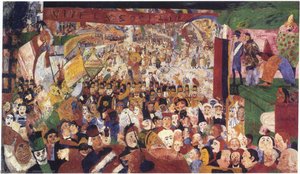
Ručne maľovaný olej na plátne vo vašej zvolenej veľkosti a v ráme, vyrobený na mieru našimi umelcami. ( Prejsť na tlač Prepnúť na obrázok)





























Vyberte si z našich preddefinovaných rozmerov, ktoré zodpovedajú pôvodným pomeroḿ diela.

Môžete zadať vlastné rozmery tak, aby sa hodili do konkrétneho rámu alebo priestoru. Ak sa váš zvolený rozmer nezhoduje s pôvodnými proporciami obrazu, dielo buď orezáme, alebo ho doplníme ručne maľovanými prvkami. Pred začiatkom výroby vám zašleme digitálny náhľad na schválenie.
Upozorňujeme, že ukážka na obrazovke neodráža skutočné orezanie alebo doplnenie. Skutočnú finálnu kompozíciu zobrazuje iba digitálny náhľad.
Hoci sú k dispozícii vlastné rozmery, odporúčame vybrať rozmer z preddefinovaného zoznamu, aby sme zachovali pôvodné proporcie.
Celosvetová doprava () za 3 až 4 týždne namiesto štandardných 5 týždňov. (30 júl). Bez kompromisov v kvalite.


La dame en bleu
Veľkosť reprodukcie
James Ensor’s “La Dame en Bleu,” or “The Blue Lady,” stands as a cornerstone of Expressionist art, capturing not merely an image but a profound psychological state. Painted around 1874 and currently housed in the National Museum Cardiff, this portrait transcends mere representation; it delves into themes of isolation, contemplation, and unsettling beauty—elements characteristic of Ensor’s distinctive artistic vision.
“La Dame en Bleu” firmly establishes Ensor within the burgeoning Expressionist movement, rejecting Impressionistic ideals of objective observation in favor of subjective emotional response. Unlike Renoir’s luminous depictions of Parisian life, Ensor eschews polished surfaces and vibrant colors for a darker palette—a deliberate choice designed to convey inner turmoil.
Ensor's technique is characterized by thick impasto brushstrokes that lend texture and physicality to the canvas. These bold strokes capture not only the visual appearance of the woman but also the artist’s palpable preoccupation with conveying psychological depth. The meticulous rendering of fabrics—particularly the dress—demonstrates Ensor’s dedication to capturing subtle nuances of form and color.
Painted in 1874, “La Dame en Bleu” emerged during a period of artistic ferment as Impressionism wrestled with its legacy. Artists like Renoir were pushing boundaries, experimenting with new approaches to capturing light and atmosphere—yet Ensor deliberately rejected these conventions, prioritizing emotional intensity over aesthetic beauty.
Ensor’s rejection of academic formalism resonated deeply with the avant-garde sensibilities of his time. He was a pioneer in exploring unsettling imagery and confronting uncomfortable truths about human psychology—a bold stance that cemented his position as one of the most influential figures in early 20th-century art.
"La Dame en Bleu" compels viewers to confront questions of identity, vulnerability, and the complexities of human experience. The woman’s gaze—direct yet distant—suggests a profound awareness of her surroundings while simultaneously maintaining an inner world untouched by external pressures. Ensor's masterful use of color and texture contributes to this unsettling effect, inviting contemplation on themes of isolation and psychological resilience.
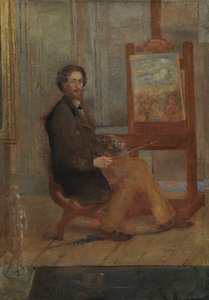
1860 - 1949 , Belgie
Ponorte sa do sveta Egona Schieleho! Objavte top 25 diel expresionistického majstra, jeho portréty a techniku. Luxusné reprodukcie obrazov pre váš interiér na BuyPopArt.com. Preskúmajte celú kolekciu online.

Explore the unsettling yet captivating world of James Ensor, a pioneer of Expressionism. Discover his satirical masterpieces, symbolic imagery & lasting influence on modern art. High-quality reproductions available at BuyPopArt.

Explore the captivating landscapes of James Stark (1794-1859), a leading Norwich School painter. Discover his Dutch Master influences, critical acclaim, and enduring legacy in contemporary realism. Art collecting insights & investment potential.

Explore the psychology of playful art! Discover how humorous & whimsical paintings foster emotional wellbeing & connection. Expert insights for collectors & luxury home decor. BuyPopArt.

Explore the rich history of portrait painting with expert insights into Renaissance masterpieces & modern innovations. Discover artists, movements & commission a custom oil painting at BuyPopArt.


Zostaňte v obraze s najnovšími správami zo sveta umenia, exkluzívnymi ponukami a nápormi na dekoráciu.
Povedzte nám o svojom projekte a naši odborníci na umenie vám pripravia 3 personalizované návrhy umeleckých diel.
Nechajte si od nás vybrať 3 možnosti priamo pre vás – zadarmo!


 Náhľad
 Odoslať
 Zdieľať
 Podrobnosti o dielo

 Stiahnuť
 Podobné diela
 RTG skúška
 Prezentácia
 Zobraziť viac







 Možnosť skla je dostupná len pri rozmeroch pod 110 cm