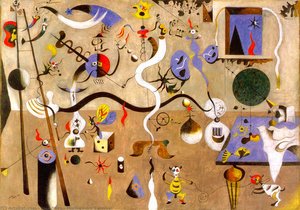
Giclée tlač alebo plátno múzeálnej kvality s rýchlou výrobou a flexibilnými možnosťami povrchovej úpravy. ( Kúpiť ručne maľovaný obraz Kúpiť obrázok)





























Vyberte si z našich preddefinovaných rozmerov, ktoré zodpovedajú pôvodným pomeroḿ diela.

Môžete zadať vlastné rozmery, aby sa reprodukcia prispôsobila konkrétnemu rámu alebo priestoru. Ak zvolená veľkosť nebude zodpovedať proporciám originálu, dielo buď orežeme, alebo obraz rozšírime pomocou zrkadlenia či farebného doplnenia okrajov. Pred začatím výroby vám pošleme digitálnu ukážku na schválenie.
Máte na vedomí, že náhľad na obrazovke neodzrkadľuje skutočné orezanie alebo rozšírenie. Len digitálna ukážka presne zobrazí finálnu kompozíciu.
Hoci sú k dispozícii vlastné rozmery, pre zachovanie pôvodných proporcií odporúčame vybrať si rozmer z vopred definovaného zoznamu.
Celosvetová doprava () do 2 týždňov namiesto štandardných 4/5 týždňov. (12 august)


Cabeza
Veľkosť reprodukcie
Joan Miró’s “Cabeza” (Head), painted in 1931, stands as a quintessential example of Surrealist abstraction and Catalan artistic identity. More than just a depiction of the human form, it’s an invitation into Miró’s subconscious mind—a realm where organic shapes dominate, color is restrained yet impactful, and symbolism whispers beneath the surface.
The painting immediately captivates with its stark simplicity. A large, amorphous black oval serves as the central focus, representing the head itself. This dominant shape isn't rendered realistically; instead, it embodies a feeling of solidity and quiet contemplation. Delicate lines ascend from the upper right corner, adding a subtle element of whimsical detail—a visual echo of Miró’s fascination with natural forms and spontaneous gesture.
Miró employs a deliberately limited color palette – primarily blacks, reds, and muted beige tones. The bold contrast between the black head and the scarlet eye creates an arresting visual dynamic, drawing the viewer’s gaze directly to this single luminous element. This restrained use of color isn't merely aesthetic; it underscores Miró’s belief that less is more—that simplifying forms allows for deeper exploration of emotion.
The painting’s technique speaks volumes about Miró’s artistic process. Evidence suggests oil paints were applied in layers, resulting in a smooth finish and subtle textural variations within the black area. Brushstrokes are deliberately muted, prioritizing tonal harmony over visible texture—a characteristic approach that aligns perfectly with Miró's desire to convey inner states rather than external appearances.
The single red eye is arguably the painting’s most potent symbol. Often interpreted as representing alertness, passion, or even unease—a flicker of awareness amidst darkness—it compels contemplation about perception and consciousness. The dark background serves as a canvas for these ideas, fostering an atmosphere of mystery and introspection.
“Cabeza” transcends mere representation; it’s a distillation of emotion into visual form. Miró's masterful manipulation of shape, color, and line invites viewers to engage in their own imaginative interpretations—to delve into the complexities of the human psyche and discover connections to the natural world.
Painted during Miró’s formative years in Barcelona – a city profoundly influenced by Gaudí's organic architectural vision – “Cabeza” embodies the spirit of Catalan Surrealism. This movement sought to liberate art from rational constraints, embracing dreamlike imagery and spontaneous expression as pathways to truth.
Miró’s enduring influence stems from his unwavering commitment to exploring the subconscious—a conviction that continues to inspire artists today. “Cabeza” remains a testament to the transformative power of abstraction, demonstrating how art can communicate profound ideas without resorting to literal depiction.
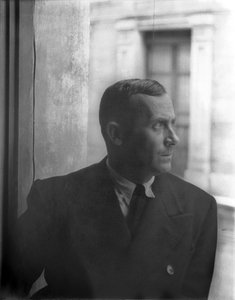
1893 - 1983 , Španielsko

Explore the revolutionary art of André Masson – pioneer of automatism & Surrealist expression. Discover his powerful imagery, innovative techniques, and lasting influence on modern art. Learn more at BuyPopArt.
Ponorte sa do sveta Maxa Ernsta! Objavte top 25 diel surrealistického majstra – od Frottage po snové krajiny. Kúpiť reprodukcie obrazov online na BuyPopArt.com a doprajte si luxusný dekor do interiéru.

Objavte 10 ikonických kubistických portrétov od Picassa, Braquea a ďalších majstrov. Prežite revolúciu v umení a nájdite dokonalé obrazy pre váš interiér na BuyPopArt.com!

Explore the captivating world of Joaquim Mir, a pivotal Catalan Modernisme painter. Discover his vibrant landscapes, symbolic depth & lasting influence on Spanish art history. Learn more at BuyPopArt.

Objavte top 10 majstrovských diel fauvizmu! Matisse, Derain a ďalší revolučionári farieb. Prežite príbeh umenia plného expresie a emócií. Reprodukcie obrazov pre váš domov na BuyPopArt.com.


Zostaňte v obraze s najnovšími správami zo sveta umenia, exkluzívnymi ponukami a nápormi na dekoráciu.
Povedzte nám o svojom projekte a naši odborníci na umenie vám pripravia 3 personalizované návrhy umeleckých diel.
Nechajte si od nás vybrať 3 možnosti priamo pre vás – zadarmo!


 Náhľad
 Odoslať
 Zdieľať
 Podrobnosti o dielo

 Stiahnuť
 Podobné diela
 RTG skúška
 Prezentácia
 Zobraziť viac







 Možnosť skla je dostupná len pri rozmeroch pod 110 cm