

Ručne maľovaný olej na plátne vo vašej zvolenej veľkosti a v ráme, vyrobený na mieru našimi umelcami. ( Kúpiť tlač Kúpiť obrázok)
Vyberte si z našich preddefinovaných rozmerov, ktoré zodpovedajú pôvodným pomeroḿ diela.

Môžete zadať vlastné rozmery tak, aby sa hodili do konkrétneho rámu alebo priestoru. Ak sa váš zvolený rozmer nezhoduje s pôvodnými proporciami obrazu, dielo buď orezáme, alebo ho doplníme ručne maľovanými prvkami. Pred začiatkom výroby vám zašleme digitálny náhľad na schválenie.
Upozorňujeme, že ukážka na obrazovke neodráža skutočné orezanie alebo doplnenie. Skutočnú finálnu kompozíciu zobrazuje iba digitálny náhľad.
Hoci sú k dispozícii vlastné rozmery, odporúčame vybrať rozmer z preddefinovaného zoznamu, aby sme zachovali pôvodné proporcie.
Celosvetová doprava () za 3 až 4 týždne namiesto štandardných 5 týždňov. (19 august). Bez kompromisov v kvalite.


Sir Thomas Reckitt
Veľkosť reprodukcie
John Bacon (1740 – 1799) stands as a pivotal figure in British portraiture during the Enlightenment, celebrated for his unwavering commitment to realism and his ability to capture the essence of his subjects with remarkable sensitivity. Born in Southwark, London, Bacon’s artistic journey began amidst the burgeoning intellectual fervor of his time, shaping him into one of the most respected artists of his generation. While biographical details remain somewhat sparse – largely due to the limitations of archival records – his prolific output speaks volumes about his talent and enduring legacy.
Bacon's early training encompassed both drawing and painting, fostering a foundational understanding of artistic principles that would inform his subsequent endeavors. He honed his skills under the tutelage of William Hogarth, arguably London’s most influential painter of the era, absorbing Hogarth’s satirical wit and meticulous observation—traits that would become hallmarks of Bacon's own style. This formative influence undoubtedly contributed to Bacon’s distinctive approach: prioritizing anatomical accuracy alongside psychological insight.
His artistic career flourished during a period marked by significant social and political change. Bacon gained renown for his commissions from prominent figures—nobility, statesmen, and members of the legal profession—resulting in an impressive collection of portraits that offer invaluable glimpses into the lives and aspirations of the British elite. These works were not merely records of appearance but were profound studies of status and character.
Notably, he produced several striking depictions of Sir James Beethom Whitehead & Westminster Abbey, capturing not only physical likeness but also conveying a profound sense of dignity and solemnity. These works exemplify Bacon’s mastery of chiaroscuro—the dramatic interplay of light and shadow—creating depth and texture that imbue each portrait with palpable emotion. Through the careful manipulation of tone, he could elevate a simple sitter to a figure of monumental importance.
The historical significance of John Bacon lies in his ability to bridge the gap between the rigid traditions of earlier portraiture and the more emotive, realistic sensibilities that would define the coming century. His work serves as a vital visual record of the 18th-century British identity, reflecting the era's preoccupation with order, enlightenment, and the individual's place within a structured society.
As his career progressed, Bacon’s exploration of diverse subjects allowed him to refine a technique that balanced the formal requirements of aristocratic portraiture with an intimate, almost tactile realism. His ability to render the textures of fine fabrics, the subtle sheen of skin, and the depth of a gaze ensured that his portraits remained timeless, continuing to captivate viewers long after the era of the Enlightenment had passed.

1740 - 1799 , United Kingdom
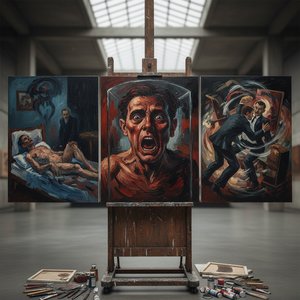
Ponorte sa do sveta Francis Bacona s BuyPopArt.com! Objavte top 25 diel tohto majstra expresionizmu – portréty, triptychy a temné maľby plné emócií. Kúpiť reprodukcie obrazov pre luxusný interiérový dizajn. Preskúmajte celú kolekciu online!
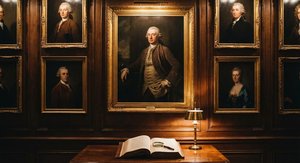
Objavte top 25 majstrovských diel Sir Joshua Reynoldsa! Ponorte sa do sveta klasicizmu a rokokó, portrétov plných elegancie a histórie. Reprodukcie obrazov pre váš domov na BuyPopArt.com – múzejná kvalita a inšpirácia pre interiér.

Objavte top 25 majstrovských diel Alfreda Jamesa Munninga – britského impresionistu oslávujúceho kone a krajinu. Historické maľby, portréty koní a vojnové scény v múzejnej kvalite. Nájdite perfektnú dekoráciu interiéru na BuyPopArt.com
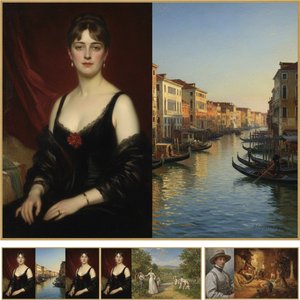
Explore 25 iconic John Singer Sargent paintings – from dazzling portraits to Impressionist landscapes. Discover the stories behind Madame X, El Jaleo & more! Find museum-quality art reproductions and elevate your home decor with BuyPopArt.com.
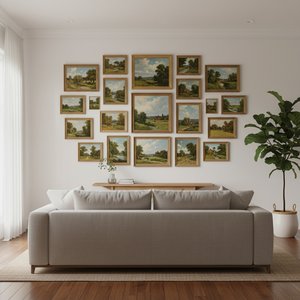
Ponorte sa do sveta Johna Constabla s BuyPopArt.sk! Objavte top 25 majstrovských diel anglického romantizmu – od ikonického Hay Wain až po krajinárske motívy Suffolku. Kvalitné reprodukcie obrazov pre váš domov. Preskúmajte celú kolekciu online!


Zostaňte v obraze s najnovšími správami zo sveta umenia, exkluzívnymi ponukami a nápormi na dekoráciu.
Povedzte nám o svojom projekte a naši odborníci na umenie vám pripravia 3 personalizované návrhy umeleckých diel.
Nechajte si od nás vybrať 3 možnosti priamo pre vás – zadarmo!


 Náhľad
 Odoslať
 Zdieľať
 Podrobnosti o dielo

 Stiahnuť
 Podobné diela
 RTG skúška
 Prezentácia
 Zobraziť viac




































 Možnosť skla je dostupná len pri rozmeroch pod 110 cm


