
NáhľadNáhľad AR náhľadAR náhľad Prejsť na tlač Prejsť na tlačPrejsť na ručne maľovanú reprodukciu Prejsť na ručne maľovanú reprodukciu OdoslaťOdoslať
Podrobnosti o dieloPodrobnosti o dielo Pridať do obľúbených Pridať do obľúbených StiahnuťStiahnuť Podobné dielaPodobné diela RTG skúškaRTG skúška PrezentáciaPrezentácia

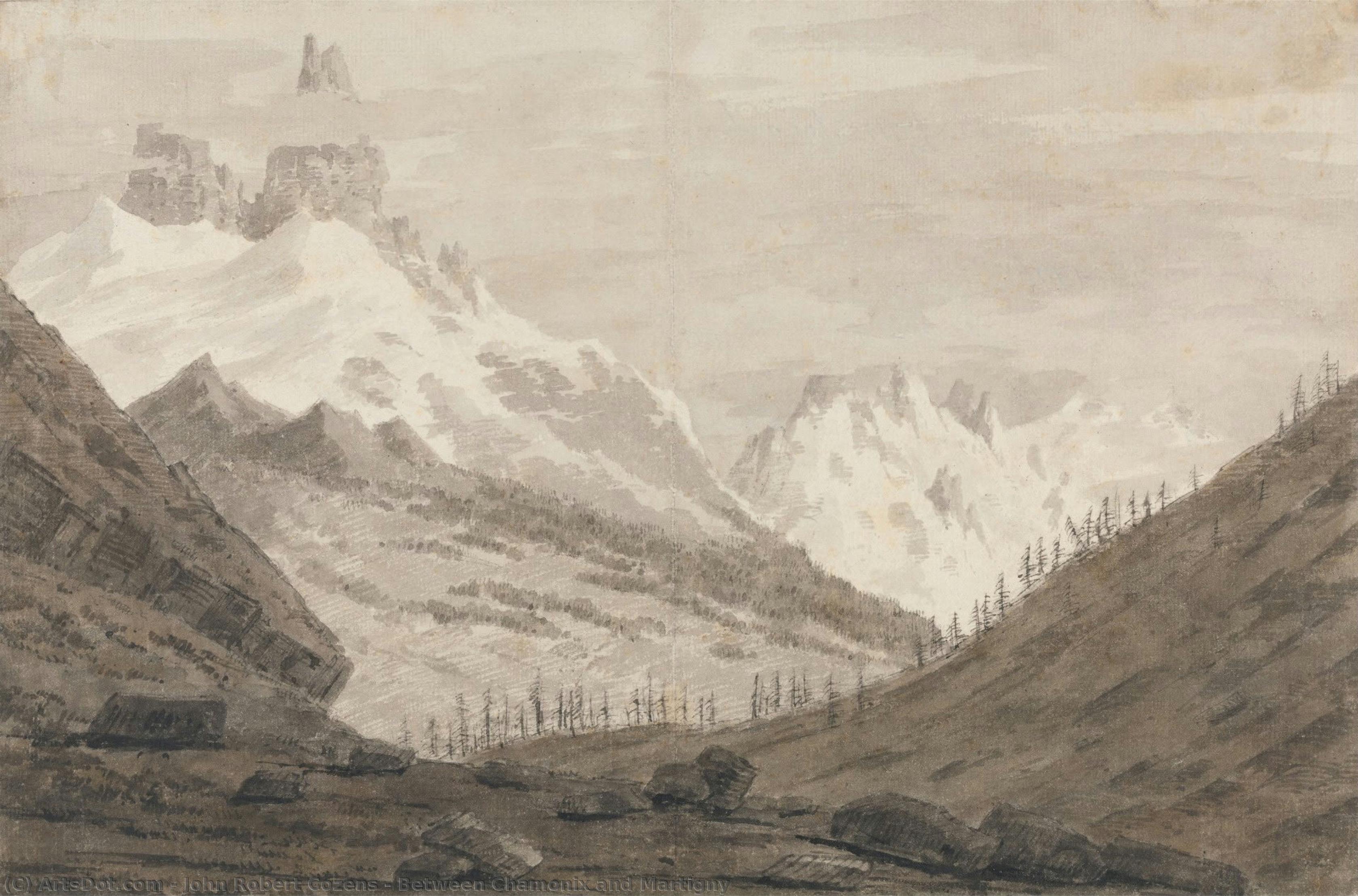
Between Chamonix and Martigny

Discover John Robert Cozens’ ‘Between Chamonix & Martigny’ (1776) – a stunning Romantic landscape painting in muted watercolor. Admire its grandeur, detail & antique charm.

Discover John Robert Cozens: Romantic watercolorist famed for atmospheric landscapes & alpine views. A unique British artist whose work influenced Turner & Girtin.

Kúpte si digitálnu snímku vo vysokom rozlíšení s vylepšenými detailmi, ktorá je oveľa kvalitnejšia než online náhľad.

Každý súbor starostlivo pripravujú naši interní špecialisti pomocou pokročilých nástrojov a odborného manuálneho retušovania. Zabezpečujeme, aby každý obrázok disponoval výnimočnou čistotou, presnou farebnou vernosťou a jemnými detailmi.

Konečný súbor vám bude doručený e-mailom do 72 hodín, optimalizovaný pre okamžité použitie v profesionálnom, redakčnom aj tlačovom prostredí. Ide o rovnakú kvalitu, ktorej dôverajú špičkové dizajnérske štúdiá, vydavateľstvá a galérie.

Digitálny obraz

Stiahnite si vysokorozlíšený súbor na osobné zobrazovanie, tlačenie a kreatívne projekty. (Prejsť na tlač Prejsť na tlačPrejsť na ručne maľovanú reprodukciu Prejsť na ručne maľovanú reprodukciu)

Celková cena

$9.99

Súčasťou každej objednávky digitálneho obrazu

Expetórne digitálne doručenie, garantované

Keď si vyberiete BuyPopArt.com, nedostávate len obrázok – získate profesionálne upravené digitálne umenie, vytvorené s precíznosťou a so zárukou vašej maximálnej spokojnosti. Tu je všetko, čo je súčasťou vašej objednávky automaticky:

shipping_icon
Rýchle doručenie e-mailom

Vaša vysokorozlíšená digitálna súprava obrázkov vám bude zaslaná e-mailom do 72 hodín od objednávky – pripravená na okamžité použitie.

canvas_icon
Digitálny súbor s vylepšením AI

Vaše dielo je profesionálne optimalizované pomocou pokročilých nástrojov umelej inteligencie a manuálnej editácie, čo zaručuje maximálnu úroveň detailov, čistotu a presnosť farieb.

insurance_icon
Bezplatné celoživotné opätovné doručenie

Náhodou ste zmazali alebo ste stratili svoj súbor? Nebavžte sa – pošleme vám ho kedykoľvek znova, úplne bez poplatkov.

tax_icon
Bez poplatkov za dovoz – navždy

Užite si svoje umelodelo okamžite bez colných poplatkov, daní alebo nákladov na dopravu – digitálne stiahnutia sú vždy oslobodené od dane.

color_icon
Garantovaná presnosť farieb

Pomocou profesionálnych nástrojov a farebného manažmentu zabezpečujeme, aby vaša digitálna fotografia čo najpresnejšie odrážala pôvodné farby.

return_icon
60-dňová záruka spokojnosti

Ak nebudete spokojní so svojou digitálnou fotografiou, upravíme ju alebo vám vrátime 100% v priebehu 60 dní – bez zbytočných otázok.

guarantee_icon
100% Záruka vrátenia peňazí

Nie ste spokojní? Získajte plnú náhradu peňazí do 60 dní od prijatia vášho digitálneho súboru – bez zbytočných otázok.

discount_icon
Zľavy pri veľkom odbere

Kúpte si 3 obrazy, ušetrite 10% - Kúpte si 5, ušetrite 15% - Kúpte si 10+, ušetrite 20%. Ideálne pre kreatívne projekty, galérie a agentúry.

Základné informácie

  • Artist: John Robert Cozens
  • Notable elements or techniques: Linear contours, layered washes, dry brush
  • Year: 1776
  • Medium: Watercolor and ink wash on paper
  • Subject or theme: Mountainous region with a castle and village
  • Title: Between Chamonix and Martigny

Popis zberateľského predmetu

A Sublime Vision of the Alps

In the delicate, monochromatic expanse of Between Chamonix and Martigny, the viewer is transported back to 1776, standing on the precipice of the Romantic era. This exquisite watercolor by John Robert Cozens captures a moment of profound stillness within the rugged grandeur of the Alpine landscape. The composition is anchored by a majestic castle perched precariously upon a high, jagged peak, serving as a silent sentinel over the vast valleys below. Through a masterful use of light and shadow, Cozens invites us to wander through a world where the scale of nature dwarfs human presence, yet remains intimately connected to it via the tiny, nestled village at the mountain's base. The artwork does not merely depict a location; it captures the very essence of the sublime—that breathtaking intersection of awe and overwhelming magnitude.

The technique employed here is a testament to the artist's command over the fluid medium of watercolor and ink wash. Eschewing a vibrant color palette, Cozens relies on a sophisticated grayscale spectrum of browns, greys, and warm beiges to build depth and atmosphere. The mountains are defined by precise, linear contours that transition into soft, atmospheric washes, creating a sense of receding distance and misty heights. There is a subtle, grainy texture present in the paper's aging, which lends an antique, archival quality to the piece, as if we are peering through a window of time. This controlled use of pigment allows the light—diffused and soft, as if filtered through an overcast mountain sky—to emerge from within the paper itself, giving the landscape a luminous, ethereal glow.

Beyond its technical brilliance, the painting serves as a profound meditation on solitude and the enduring power of nature. The castle, a symbol of human ambition and dominion, appears humbled by the sheer geological scale of the surrounding peaks. This tension between the architectural and the organic evokes a sense of melancholy and tranquility, making it an ideal centerpiece for spaces designed for reflection and quiet contemplation. For the discerning collector or interior designer, this reproduction offers more than just aesthetic beauty; it brings a piece of historical gravity and classical elegance into a modern environment. It is a work that commands attention through its subtlety, offering a timeless window into the soul of the 18th-century landscape tradition.


Životopis umelca

Antonio Corradini: The Enigmatic Veil of Venice

Antonio Corradini, a sculptor born in the heart of Venice in 1688 and tragically passing away in 1752, remains one of the most intriguing figures of the Rococo era. His legacy isn’t defined by grand monuments or widely celebrated public works, but rather by an extraordinary technique – the creation of exquisitely veiled human forms that tantalize viewers with glimpses beneath a delicate, almost ethereal surface. Corradini's work is a testament to subtlety and illusion, demanding careful observation and inviting endless speculation about what lies concealed within. He was part of a vibrant artistic community in Venice, a city renowned for its patronage of the arts and its tradition of producing exceptional sculptors. His early training under Antonio Tarsia, a master known for his intricate marble reliefs, undoubtedly shaped his foundational skills and instilled a deep appreciation for meticulous craftsmanship.

The Rococo World and Corradini’s Unique Style

Corradini's artistic journey unfolded against the backdrop of the flourishing Rococo movement in Europe. Characterized by its elegance, grace, and playful ornamentation, Rococo sought to evoke a sense of delight and sensuality. While many artists embraced this style with exuberant displays of color and elaborate detail, Corradini chose a radically different path. He eschewed overt grandeur, instead focusing on creating an atmosphere of mystery and intrigue through his veiled figures. This technique involved sculpting the human form in marble or stucco, then meticulously applying layers of fine plaster to create a smooth, seamless surface. Finally, he applied thin veils of translucent paint – typically shades of pink, flesh tones, and pale blues – to these surfaces, producing an effect that suggested the presence of a hidden body beneath. The resulting images are not portraits in the traditional sense; they’re studies in suggestion, inviting viewers to complete the picture with their own imaginations.

A Journey Through Europe: From Venice to Vienna

Corradini's career spanned several European capitals, reflecting the demands of his aristocratic patrons and the shifting artistic currents of the time. He began his work in Venice, serving various wealthy families and contributing to the decoration of churches and palaces. He then moved to Dresden, where he created works for the summer gardens of Peter the Great, showcasing his ability to capture the dynamism of movement and the beauty of the human form. His time in Saint Petersburg further cemented his reputation as a skilled sculptor, producing numerous veiled figures for Russian imperial collections. A significant period was spent in Vienna, where he became court sculptor to Charles VI, Holy Roman Emperor. This role afforded him considerable influence and access to the highest levels of Viennese society. His work during this time demonstrates a shift towards greater naturalism and a more expressive portrayal of emotion, while still retaining his signature veiled technique.

The Secrets Beneath the Veil: Technique and Symbolism

Corradini’s mastery lay not just in his technical skill but also in his profound understanding of how to manipulate perception. The process of creating these veiled figures was incredibly demanding, requiring immense patience and precision. He would sculpt the basic form, then painstakingly build up layers of plaster, smoothing each layer until it achieved an almost mirror-like finish. The application of the veils involved a delicate balance – too much paint would obscure the underlying form entirely, while too little would render the effect ineffective. The choice of colors was also carefully considered, with pinks and flesh tones often used to create a sense of warmth and sensuality, while pale blues could evoke feelings of mystery and melancholy. The symbolism behind Corradini’s veiled figures is open to interpretation, but many scholars believe they represent the duality of human nature – the interplay between appearance and reality, concealment and revelation.

Legacy and Influence

Despite his relatively solitary career and the ephemeral nature of his technique, Antonio Corradini left an indelible mark on the history of sculpture. His veiled figures continue to fascinate viewers today, prompting questions about beauty, desire, and the power of illusion. While he didn’t achieve widespread fame during his lifetime, his work has been rediscovered in recent decades, earning him recognition as a pioneering artist who pushed the boundaries of sculptural representation. His influence can be seen in later artists who explored themes of concealment and suggestion, demonstrating that Corradini's innovative approach to sculpture remains remarkably relevant and captivating centuries after his death. His legacy is not one of grand monuments but of subtle beauty, enigmatic allure, and a profound understanding of the human psyche.
john robert cozens

john robert cozens

1752 - 1797 , United Kingdom

Základné informácie

  • Artistic Movement Or Style: Rococo Sculpture
  • Artists Who Influenced This Artist: ['Antonio Tarsia],\n "Artists or movements influenced by this artist": ["Rococo"]\n}']
  • Date Of Birth: 1688-10-19
  • Date Of Death: 1752-08-12
  • Full Name: Antonio Corradini
  • Nationality: Italian
  • Notable Artworks:
    • Niobe and her Children
    • Veiled depictions
  • Place Of Birth: Venice, Italy

