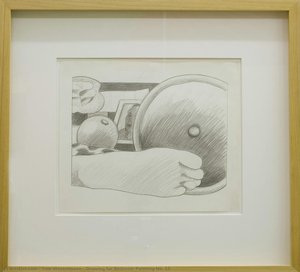
Acrylic On PaperNeo-Dada
 1958
1958 21.0 x 29.0 cm
 Tate Modern
Kúpte si digitálnu snímku vo vysokom rozlíšení s vylepšenými detailmi, ktorá je oveľa kvalitnejšia než online náhľad.
Každý súbor starostlivo pripravujú naši interní špecialisti pomocou pokročilých nástrojov a odborného manuálneho retušovania. Zabezpečujeme, aby každý obrázok disponoval výnimočnou čistotou, presnou farebnou vernosťou a jemnými detailmi.
Konečný súbor vám bude doručený e-mailom do 72 hodín, optimalizovaný pre okamžité použitie v profesionálnom, redakčnom aj tlačovom prostredí. Ide o rovnakú kvalitu, ktorej dôverajú špičkové dizajnérske štúdiá, vydavateľstvá a galérie.
Stiahnite si vysokorozlíšený súbor na osobné zobrazovanie, tlačenie a kreatívne projekty. ( Kúpiť tlač Kúpiť ručne maľovaný obraz)
Keď si vyberiete BuyPopArt.com, nedostávate len obrázok – získate profesionálne upravené digitálne umenie, vytvorené s precíznosťou a so zárukou vašej maximálnej spokojnosti. Tu je všetko, čo je súčasťou vašej objednávky automaticky:

Vaša vysokorozlíšená digitálna súprava obrázkov vám bude zaslaná e-mailom do 72 hodín od objednávky – pripravená na okamžité použitie.

Vaše dielo je profesionálne optimalizované pomocou pokročilých nástrojov umelej inteligencie a manuálnej editácie, čo zaručuje maximálnu úroveň detailov, čistotu a presnosť farieb.

Náhodou ste zmazali alebo ste stratili svoj súbor? Nebavžte sa – pošleme vám ho kedykoľvek znova, úplne bez poplatkov.

Užite si svoje umelodelo okamžite bez colných poplatkov, daní alebo nákladov na dopravu – digitálne stiahnutia sú vždy oslobodené od dane.

Pomocou profesionálnych nástrojov a farebného manažmentu zabezpečujeme, aby vaša digitálna fotografia čo najpresnejšie odrážala pôvodné farby.

Ak nebudete spokojní so svojou digitálnou fotografiou, upravíme ju alebo vám vrátime 100% v priebehu 60 dní – bez zbytočných otázok.

Nie ste spokojní? Získajte plnú náhradu peňazí do 60 dní od prijatia vášho digitálneho súboru – bez zbytočných otázok.

Kúpte si 3 obrazy, ušetrite 10% - Kúpte si 5, ušetrite 15% - Kúpte si 10+, ušetrite 20%. Ideálne pre kreatívne projekty, galérie a agentúry.
Joseph Beuys's "Actresses," rendered in 1958 on a deceptively simple pale beige background, isn’t merely a sketch; it’s a distilled essence of performance, vulnerability, and the potent symbolism inherent within the human form. This preparatory drawing, a glimpse into the mind of one of the 20th century's most radical artists, immediately draws the viewer in with its loose, gestural lines – a deliberate rejection of rigid representation in favor of capturing a fleeting moment of embodied expression. The two figures, presented in profile and seemingly caught mid-movement, possess an immediate theatricality, hinting at dancers, performers, or perhaps even the silent drama of everyday life. Beuys wasn’t interested in replicating reality; he sought to translate feeling onto paper, imbuing his subjects with a palpable sense of energy and contained emotion.
The composition is strikingly asymmetrical, defying traditional notions of balance. The figures aren’t centered within the frame, instead occupying distinct points that create a dynamic imbalance—a visual representation of movement itself. Vertical lines, subtly introduced from the top edge, provide an anchor and structure to this otherwise fluid arrangement, preventing the drawing from dissolving into pure abstraction. Beuys's technique is characterized by a masterful use of hatching and cross-hatching, skillfully employed to build volume and shadow without resorting to precise shading. The loose, sketchy lines, rendered with charcoal or graphite, contribute significantly to the overall sense of spontaneity and immediacy—as if the artist were capturing a fleeting impression rather than meticulously crafting a finished image. Notice how he uses varying line weights to emphasize certain areas, drawing attention to the contours of the figures’ limbs and torsos.
The muted color palette—dominated by earthy browns, ochres, and subtle touches of purple—reinforces the drawing's emotional depth. The beige background acts as a neutral canvas, allowing the figures to command attention without distraction. The small area of mauve on one figure introduces an element of mystery or perhaps even melancholy, hinting at hidden emotions beneath the surface. Beyond mere color choices, Beuys’s use of earth tones speaks to a deep connection with nature and the primal roots of human experience. Considering his later work focused heavily on social sculpture and the integration of art into everyday life, this grounding in natural materials and forms is profoundly significant. The elongated figures themselves can be interpreted as symbols of theatricality—a deliberate exaggeration that highlights the performative aspect of existence.
“Actresses” was created during a period of immense social and political upheaval in post-war Germany, a time when artists were grappling with questions of identity, purpose, and the role of art in society. Beuys’s work reflects this broader context, aligning with the burgeoning Expressionist movement and foreshadowing the rise of Fluxus and other avant-garde artistic practices. The drawing's emphasis on gesture and emotion anticipates the performance art that would become increasingly prominent in the latter half of the 20th century. Furthermore, it shares affinities with Surrealism, particularly in its exploration of the subconscious and its use of symbolic imagery. It’s worth noting that Beuys himself was deeply influenced by Carl Linnaeus's *Systema Naturae*, a book he rescued from a Nazi book burning—an event that profoundly shaped his artistic philosophy and his belief in art as a tool for social transformation. The drawing, therefore, can be seen as a meditation on the fragility of existence and the enduring power of human connection.
This preparatory sketch offers a rare glimpse into the creative process of one of the 20th century’s most visionary artists. “Actresses” is more than just a drawing; it's a testament to Beuys’s profound understanding of the human condition and his unwavering commitment to exploring the transformative potential of art.

1921 - 1986 , Nemecko


Zostaňte v obraze s najnovšími správami zo sveta umenia, exkluzívnymi ponukami a nápormi na dekoráciu.
Povedzte nám o svojom projekte a naši odborníci na umenie vám pripravia 3 personalizované návrhy umeleckých diel.
Nechajte si od nás vybrať 3 možnosti priamo pre vás – zadarmo!


 Náhľad
 Odoslať
 Zdieľať
 Podrobnosti o dielo

 Stiahnuť
 Podobné diela
 RTG skúška
 Prezentácia
 Zobraziť viac