PreviewPreview Kúpiť tlač Kúpiť tlačObjednať reprodukciu Objednať reprodukciu OdoslaťOdoslať
Podrobnosti o dieloPodrobnosti o dielo Pridať do obľúbených Pridať do obľúbených StiahnuťStiahnuť Podobné dielaPodobné diela RTG skúškaRTG skúška PrezentáciaPrezentácia

Umbrella

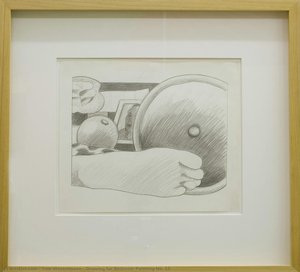
A dramatic 1970 drawing by Juarez Machado captures a chaotic cityscape under an orange sky with billowing smoke and figures with umbrellas, offering a powerful piece to elevate your collection.

Discover Juarez Machado's vibrant paintings, blending bold colors & textures. Explore his Brazilian artistry influenced by Parisian culture.

Kúpte si digitálnu snímku vo vysokom rozlíšení s vylepšenými detailmi, ktorá je oveľa kvalitnejšia než online náhľad.

Každý súbor starostlivo pripravujú naši interní špecialisti pomocou pokročilých nástrojov a odborného manuálneho retušovania. Zabezpečujeme, aby každý obrázok disponoval výnimočnou čistotou, presnou farebnou vernosťou a jemnými detailmi.

Konečný súbor vám bude doručený e-mailom do 72 hodín, optimalizovaný pre okamžité použitie v profesionálnom, redakčnom aj tlačovom prostredí. Ide o rovnakú kvalitu, ktorej dôverajú špičkové dizajnérske štúdiá, vydavateľstvá a galérie.

Digitálny obraz

Stiahnite si vysokorozlíšený súbor na osobné zobrazovanie, tlačenie a kreatívne projekty.

Celková cena

$9.99

Súčasťou každej objednávky digitálneho obrazu

Expetórne digitálne doručenie, garantované

Keď si vyberiete BuyPopArt.com, nedostávate len obrázok – získate profesionálne upravené digitálne umenie, vytvorené s precíznosťou a so zárukou vašej maximálnej spokojnosti. Tu je všetko, čo je súčasťou vašej objednávky automaticky:

shipping_icon
Rýchle doručenie e-mailom

Vaša vysokorozlíšená digitálna súprava obrázkov vám bude zaslaná e-mailom do 72 hodín od objednávky – pripravená na okamžité použitie.

canvas_icon
Digitálny súbor s vylepšením AI

Vaše dielo je profesionálne optimalizované pomocou pokročilých nástrojov umelej inteligencie a manuálnej editácie, čo zaručuje maximálnu úroveň detailov, čistotu a presnosť farieb.

insurance_icon
Bezplatné celoživotné opätovné doručenie

Náhodou ste zmazali alebo ste stratili svoj súbor? Nebavžte sa – pošleme vám ho kedykoľvek znova, úplne bez poplatkov.

tax_icon
Bez poplatkov za dovoz – navždy

Užite si svoje umelodelo okamžite bez colných poplatkov, daní alebo nákladov na dopravu – digitálne stiahnutia sú vždy oslobodené od dane.

color_icon
Garantovaná presnosť farieb

Pomocou profesionálnych nástrojov a farebného manažmentu zabezpečujeme, aby vaša digitálna fotografia čo najpresnejšie odrážala pôvodné farby.

return_icon
60-dňová záruka spokojnosti

Ak nebudete spokojní so svojou digitálnou fotografiou, upravíme ju alebo vám vrátime 100% v priebehu 60 dní – bez zbytočných otázok.

guarantee_icon
100% Záruka vrátenia peňazí

Nie ste spokojní? Získajte plnú náhradu peňazí do 60 dní od prijatia vášho digitálneho súboru – bez zbytočných otázok.

discount_icon
Zľavy pri veľkom odbere

Kúpte si 3 obrazy, ušetrite 10% - Kúpte si 5, ušetrite 15% - Kúpte si 10+, ušetrite 20%. Ideálne pre kreatívne projekty, galérie a agentúry.

Základné informácie

  • Notable elements: Smoke, orange sky, people with umbrellas
  • Subject or theme: Chaos and disorder in a city
  • Year: 1970
  • Artist: Juarez Machado
  • Dimensions: 74 x 51 cm

Popis zberateľského predmetu

A Vision of Urban Turbulence

In the evocative drawing Umbrella, created in 1970 by the Brazilian artist Juarez Machado, we are transported into a cityscape defined by a profound sense of atmospheric tension and movement. The work presents a world caught in a moment of dramatic transition, where the sky burns with an intense, fiery orange hue that suggests either a setting sun or the encroaching glow of an industrial twilight. Through a masterful use of contrast, Machado introduces thick, black clouds of smoke billowing from the urban structures, creating a visual dialogue between the warmth of the heavens and the dark, heavy presence of the city's industry. This interplay of light and shadow does more than just depict a scene; it establishes a mood of beautiful chaos, inviting the viewer to contemplate the delicate balance between human civilization and the elemental forces that surround it.

The composition is intricately detailed, populated by twelve distinct figures who navigate the streets amidst the swirling atmosphere. Some of these individuals carry umbrellas, a poignant symbol of protection and vulnerability against the unpredictable elements of the urban environment. These small, rhythmic movements within the larger, more turbulent landscape provide a human scale to the sweeping drama of the sky. The technique employed here emphasizes line and silhouette, allowing the figures to emerge from the complexity of the city without losing their individual sense of purpose. As they move through the streets, there is a palpable feeling of life continuing its steady pulse even amidst the encroaching shadows and the smoke-filled air.

For the discerning collector or interior designer, Umbrella offers a sophisticated focal point that commands attention through its emotional depth and striking color palette. The piece functions as a powerful narrative element in any curated space, particularly those seeking to introduce a sense of drama, movement, or historical weight. Its ability to evoke both the melancholy of a fading day and the energetic disorder of modern life makes it a versatile masterpiece for high-end decor. Whether placed in a contemporary gallery setting or a classic study, this reproduction serves as a window into a meticulously crafted world, offering an enduring sense of wonder and a profound reflection on the human condition within the sprawling, ever-changing tapestry of the modern metropolis.


Životopis umelca

Robert Delaunay: A Revolutionary of Color and Light

Robert Delaunay, born Robert-Victor-Felix Delaunay on April 12th, 1885, in the bustling heart of Paris, was not merely a painter; he was a pioneer who fundamentally reshaped our understanding of color and its expressive potential. His life, marked by both artistic innovation and personal transformation, culminated in a legacy that continues to inspire artists today. Initially apprenticed to a theatrical designer – a surprisingly formative experience for an aspiring artist – Delaunay’s early work demonstrated a keen eye for composition and design. However, it was his encounter with Neo-Impressionism, particularly the meticulous layering of small dots championed by figures like Paul Gauguin, that served as a crucial stepping stone before he embarked on his radical departure into abstraction. This initial influence provided a foundation in color theory, which he would later dismantle and rebuild entirely.

The Birth of Orphism: A Symphony of Color

Delaunay’s artistic trajectory took a dramatic turn around 1912, fueled by his marriage to Sonia Delaunay-Terk, a fellow artist and intellectual force. Together, they formed the *Section d'Or*, later known as Orphism – a movement characterized by its ecstatic embrace of pure color, geometric abstraction, and rhythmic composition. Rejecting the representational concerns of earlier modernism, Delaunay sought to create paintings that were primarily visual experiences, devoid of narrative or recognizable imagery. He believed that color itself possessed an inherent power, capable of evoking emotions and creating a sense of movement and energy. His canvases exploded with vibrant hues – yellows, oranges, blues, and reds – arranged in dynamic patterns and overlapping circles, often referred to as “discs.” This wasn’t simply decorative; it was a deliberate attempt to capture the essence of light and color itself, moving beyond mere imitation. Influenced by theories of color developed by scientists like Michel Eugène Chevreul, Delaunay theorized that colors could be experienced independently, each possessing its own unique intensity and vibration.

Influences and Connections: A Parisian Circle

Delaunay’s artistic development was deeply intertwined with the vibrant intellectual and artistic milieu of Paris during this period. He was a key member of the *School of Paris*, alongside artists like Pablo Picasso, Georges Braque, and Henri Matisse, all grappling with new ways to represent reality. His work resonated strongly with the burgeoning Cubist movement, though he ultimately diverged from its focus on fragmented forms. Crucially, Delaunay’s theories about color were disseminated through his writings and conversations with influential figures like Guillaume Apollinaire, who coined the term “Orphism” to describe this new aesthetic. He maintained close relationships with artists across Europe, including Stanton Macdonald-Wright, Morgan Russell, Patrick Henry Bruce, Franz Marc, Paul Klee, and even Thomas Hart Benton – demonstrating a profound impact on the development of abstract art throughout the early 20th century. The poet’s interpretation of his color theory was particularly influential in shaping public perception of Orphism.

From Abstraction to Rhythm: Later Works

Following World War I, Delaunay and Sonia continued to explore abstraction, but their style evolved significantly. They began incorporating relief into their paintings, creating textured surfaces that added another layer of visual complexity. During the 1930s, they moved towards large-scale panel paintings, often employing assistants to execute the intricate geometric patterns. These works, characterized by their bold color combinations and rhythmic arrangements, became increasingly monumental in scale and ambition. Notably, Delaunay’s designs for the Aeronautics pavilion at the 1937 Paris International Exposition showcased his ability to translate abstract principles into striking architectural elements. Despite facing challenges during the Nazi occupation of France, Delaunay continued to paint until his death in Montpellier on October 25th, 1941.

Legacy and Significance

Robert Delaunay’s contribution to modern art is undeniable. He liberated color from its representational function, demonstrating its power as an independent artistic element. His pioneering work in Orphism paved the way for later developments in abstract expressionism and color field painting. His emphasis on intuition and subjective experience challenged traditional notions of artistic creation, advocating for a purely visual language. Today, Delaunay’s paintings are celebrated for their vibrant energy, dynamic compositions, and profound exploration of color – solidifying his place as one of the most important figures in 20th-century art. His influence can be seen in countless artists who followed, continuing to explore the boundless possibilities of color and form.
juarez machado

juarez machado

1941 - , Brazil

Základné informácie

  • Artistic Movement Or Style:
    • Divisionism
    • Cubism
    • Orphism
    • Abstract art
  • Artists Or Movements Influenced By This Artist:
    • Stanton-Wright
    • Morgan Russell
    • Klee
    • Marc
    • Apollinaire
  • Artists Who Influenced This Artist:
    • Neoimpressionism
    • Cézanne
  • Date Of Birth: April 12, 1885
  • Date Of Death: October 25, 1941
  • Full Name: Robert Delaunay
  • Nationality: French
  • Notable Artworks:
    • Endless Rhythm
    • Cubism
    • Orphic Cubism
    • Simultanism
  • Place Of Birth: Paris, France