Preview
 Objednať reprodukciu Kúpiť digitálnu verziu
 Odoslať
 Podrobnosti o dielo
 Pridať do obľúbených
 Stiahnuť
 Podobné diela
 RTG skúška
 Prezentácia
Giclée tlač alebo plátno múzeálnej kvality s rýchlou výrobou a flexibilnými možnosťami povrchovej úpravy.
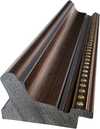
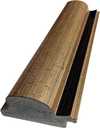
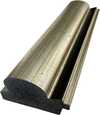
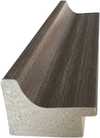
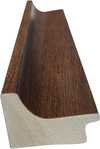
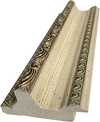
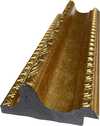
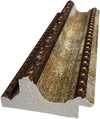
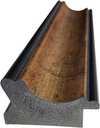
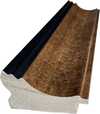
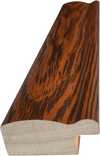
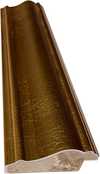
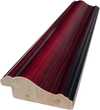
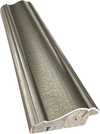
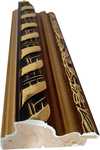
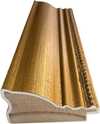
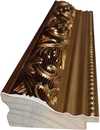
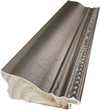
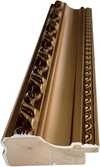
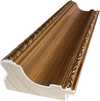
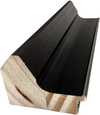
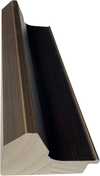
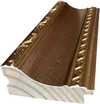
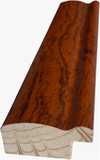
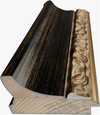
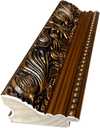
Vyberte si z našich preddefinovaných rozmerov, ktoré zodpovedajú pôvodným pomeroḿ diela.

Môžete zadať vlastné rozmery, aby sa reprodukcia prispôsobila konkrétnemu rámu alebo priestoru. Ak zvolená veľkosť nebude zodpovedať proporciám originálu, dielo buď orežeme, alebo obraz rozšírime pomocou zrkadlenia či farebného doplnenia okrajov. Pred začatím výroby vám pošleme digitálnu ukážku na schválenie.
Máte na vedomí, že náhľad na obrazovke neodzrkadľuje skutočné orezanie alebo rozšírenie. Len digitálna ukážka presne zobrazí finálnu kompozíciu.
Hoci sú k dispozícii vlastné rozmery, pre zachovanie pôvodných proporcií odporúčame vybrať si rozmer z vopred definovaného zoznamu.
Celosvetová doprava () do 2 týždňov namiesto štandardných 4/5 týždňov. (26 júl)


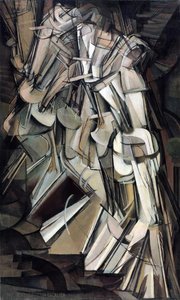
After love
Veľkosť reprodukcie
Marcel Duchamp’s “After love” presents a deceptively simple visual statement—a pair of figures embracing—yet it encapsulates profound ideas about intimacy, vulnerability, and the very essence of artistic expression. Executed in 1968, this drawing exemplifies Duchamp's signature minimalist style, prioritizing essential forms conveyed through delicate linework on textured paper.
Historical Context: Created in the twilight years of Duchamp’s career, “After love” reflects the artist's ongoing preoccupation with conceptual art—a movement that questioned traditional artistic conventions by elevating ideas over visual representation. It stands as a testament to Duchamp’s unwavering belief that art could transcend mere aesthetic pleasure and engage viewers on an intellectual level.
Symbolic Significance: The artwork speaks volumes about human connection and emotional vulnerability. Its minimalist style—a hallmark of Duchamp's oeuvre—amplifies the feeling of quiet intimacy, inviting contemplation on themes of affection and tenderness. Like many of his works, “After love” eschews explicit narrative, allowing viewers to interpret its symbolism through their own experiences.
Style & Technique: Duchamp’s approach aligns perfectly with the principles of Conceptual Art—a movement he profoundly influenced. The drawing technique prioritizes capturing fundamental forms with effortless lines, mirroring his fascination with geometric abstraction and challenging notions of artistic skill. It's a deliberate rejection of representational art in favor of exploring conceptual ideas.
Materials Used: Crafted from handmade or textured paper and black ink, “After love” exemplifies Duchamp’s dedication to utilizing readily available materials—a characteristic that underscores the artwork’s simplicity and its grounding in tangible reality. This understated materiality contributes to the piece's contemplative mood.
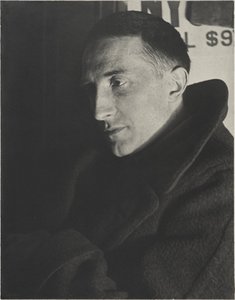
1887 - 1968 , Francúzsko

Explore the revolutionary art of Marcel Duchamp! Discover how his Dadaist readymades challenged artistic conventions & redefined modern art. A deep dive into 'Fountain', conceptual shifts, and his lasting impact.

Explore the revolutionary Dada art movement! Discover its origins, key artists like Duchamp & Arp, and lasting impact on modern art. A deep dive into anti-art & challenging conventions.

Explore the power of conceptual custom art. Discover how hand-painted oil paintings embody personal & political narratives. Expert guidance for collectors seeking meaningful, impactful artwork.

Explore the profound impact of Conceptual Art with BuyPopArt. Discover its history, key artists like Duchamp & Kosuth, and learn how to collect this influential movement. Expert insights for discerning art collectors.

Explore the revolutionary Dada art movement! Discover its origins in WWI, key artists like Duchamp & Höch, core principles, and lasting impact on modern and contemporary art. A comprehensive guide for enthusiasts.


Zostaňte v obraze s najnovšími správami zo sveta umenia, exkluzívnymi ponukami a nápormi na dekoráciu.
Povedzte nám o svojom projekte a naši odborníci na umenie vám pripravia 3 personalizované návrhy umeleckých diel.
Nechajte si od nás vybrať 3 možnosti priamo pre vás – zadarmo!


 Zdieľať


 Zobraziť viac

 Možnosť skla je dostupná len pri rozmeroch pod 110 cm