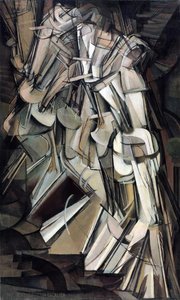
Ručne maľovaný olej na plátne vo vašej zvolenej veľkosti a v ráme, vyrobený na mieru našimi umelcami. ( Kúpiť tlač Kúpiť obrázok)
Vyberte si z našich preddefinovaných rozmerov, ktoré zodpovedajú pôvodným pomeroḿ diela.

Môžete zadať vlastné rozmery tak, aby sa hodili do konkrétneho rámu alebo priestoru. Ak sa váš zvolený rozmer nezhoduje s pôvodnými proporciami obrazu, dielo buď orezáme, alebo ho doplníme ručne maľovanými prvkami. Pred začiatkom výroby vám zašleme digitálny náhľad na schválenie.
Upozorňujeme, že ukážka na obrazovke neodráža skutočné orezanie alebo doplnenie. Skutočnú finálnu kompozíciu zobrazuje iba digitálny náhľad.
Hoci sú k dispozícii vlastné rozmery, odporúčame vybrať rozmer z preddefinovaného zoznamu, aby sme zachovali pôvodné proporcie.
Celosvetová doprava () za 3 až 4 týždne namiesto štandardných 5 týždňov. (14 august). Bez kompromisov v kvalite.


Father
Veľkosť reprodukcie
Marcel Duchamp's “Father,” painted in 1910, stands as a poignant testament to the artist’s exploration of familial bonds and psychological depth within the framework of Expressionism. More than just a likeness of his father, Eugène Duchamp, the painting delves into themes of vulnerability, contemplation, and the quiet dignity of aging—elements that resonate powerfully with viewers today.
“Father” is firmly rooted in the burgeoning movement of Cubism, spearheaded by Picasso and Braque. Duchamp's engagement with Cubist principles—particularly the fragmentation of form and simultaneous viewpoints—represents a radical departure from academic painting traditions. This stylistic influence underscores his commitment to questioning established artistic conventions and prioritizing conceptual exploration over visual representation.
Duchamp’s deliberate use of impasto—thickly applied paint—is crucial to conveying the painting’s emotional resonance. The textured surface captures the physicality of the brushstrokes, mirroring Eugène Duchamp's own presence within the artwork. This tactile element enhances the viewer’s experience, inviting contemplation and fostering a connection with the artist’s expressive intent.
"Father" exemplifies Duchamp’s broader philosophical stance: rejecting the pursuit of visual beauty in favor of intellectual inquiry. By prioritizing conceptual exploration over realistic depiction, he ushered in a new era of art history—one characterized by questioning assumptions and redefining artistic value. This enduring legacy continues to inspire artists and collectors alike who appreciate the profound emotional impact of art that transcends mere surface appearance."
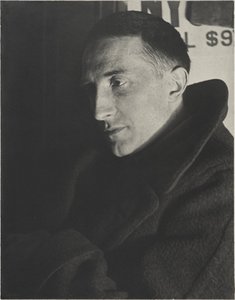
1887 - 1968 , Francúzsko

Master the high-impact world of contemporary abstraction. Discover how bold colors, textures, and modern movements like Abstract Expressionism can transform your space with premium, high-energy art curated for the design-conscious professional.

Dive into the high-energy world of Lyrical Abstraction. Explore how bold colors, fluid motion, and emotional depth define this modern masterpiece movement. Discover iconic artists and learn to bring this vibrant, soulful energy into your contemporary space.

Discover the power of Neo-Abstract art. Explore how bold geometric forms and high-impact visual energy are redefining modern design. Learn to curate sophisticated, high-energy spaces with the latest trends in contemporary abstraction and structural color.


Zostaňte v obraze s najnovšími správami zo sveta umenia, exkluzívnymi ponukami a nápormi na dekoráciu.
Povedzte nám o svojom projekte a naši odborníci na umenie vám pripravia 3 personalizované návrhy umeleckých diel.
Nechajte si od nás vybrať 3 možnosti priamo pre vás – zadarmo!


 Náhľad
 Odoslať
 Zdieľať
 Podrobnosti o dielo

 Stiahnuť
 Podobné diela
 RTG skúška
 Prezentácia
 Zobraziť viac




































 Možnosť skla je dostupná len pri rozmeroch pod 110 cm