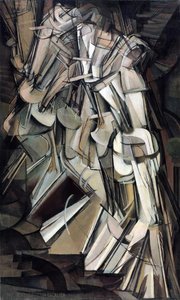
Giclée tlač alebo plátno múzeálnej kvality s rýchlou výrobou a flexibilnými možnosťami povrchovej úpravy. ( Kúpiť ručne maľovaný obraz Kúpiť obrázok)





























Vyberte si z našich preddefinovaných rozmerov, ktoré zodpovedajú pôvodným pomeroḿ diela.

Môžete zadať vlastné rozmery, aby sa reprodukcia prispôsobila konkrétnemu rámu alebo priestoru. Ak zvolená veľkosť nebude zodpovedať proporciám originálu, dielo buď orežeme, alebo obraz rozšírime pomocou zrkadlenia či farebného doplnenia okrajov. Pred začatím výroby vám pošleme digitálnu ukážku na schválenie.
Máte na vedomí, že náhľad na obrazovke neodzrkadľuje skutočné orezanie alebo rozšírenie. Len digitálna ukážka presne zobrazí finálnu kompozíciu.
Hoci sú k dispozícii vlastné rozmery, pre zachovanie pôvodných proporcií odporúčame vybrať si rozmer z vopred definovaného zoznamu.
Celosvetová doprava () do 2 týždňov namiesto štandardných 4/5 týždňov. (17 august)


Pulled at Four Pins
Veľkosť reprodukcie
Marcel Duchamp's “Pulled at Four Pins,” created in 1964, isn’t merely a drawing; it’s a deliberate provocation—a cornerstone of Conceptual Art and a testament to the artist’s unwavering challenge of artistic conventions. This seemingly simple piece, executed on pale cream Magnani-wove paper with pencil or charcoal, embodies Duchamp's core philosophy: elevating commonplace objects to the realm of art through conceptual intervention.
The artwork’s composition centers around a cylindrical metal bucket—a readily available item transformed into an artistic statement. Lines dominate the visual language, varying in weight and thickness to convey spontaneity and expressive gesture rather than meticulous accuracy. Duchamp's technique reflects this approach; he eschewed traditional rendering methods, prioritizing conceptual thought over technical skill. The resulting texture is that of paper itself, subtly grained, hinting at the immediacy of the artist’s process.
“Pulled at Four Pins” exemplifies Duchamp's embrace of the readymade concept—a radical notion championed by Dada artists that questioned the very definition of art. As Tomkins eloquently describes, “This was what Duchamp liked about it - the words, making no sense and having no relation to the visual image, could lead the mind in unpredictable directions.” The title itself is deliberately ambiguous, referencing both the literal act of pulling pins and a broader exploration of complexity—a preoccupation evident throughout Duchamp’s oeuvre.
Duchamp’s work emerged from the turbulent milieu of Dadaism, an anti-establishment movement born in Zurich during World War I. Dada artists rejected logic and reason, embracing absurdity and chance as artistic tools—a reaction to the horrors of the conflict and a critique of bourgeois values. “Pulled at Four Pins” aligns perfectly with this spirit of rebellion, mirroring Duchamp’s broader ambition to dismantle accepted artistic hierarchies.
"Pulled at Four Pins" stands as an enduring symbol of Duchamp's groundbreaking contribution to art history. Its understated execution belies its profound philosophical implications—a reminder that true artistry resides not in skillful representation but in questioning fundamental assumptions about creativity and beauty. This artwork continues to inspire artists and collectors alike, prompting contemplation on the role of intention and the transformative power of conceptual thought.

1887 - 1968 , Francúzsko

Explore the revolutionary art of Marcel Duchamp! Discover how his Dadaist readymades challenged artistic conventions & redefined modern art. A deep dive into 'Fountain', conceptual shifts, and his lasting impact.

Explore the revolutionary Dada art movement! Discover its origins, key artists like Duchamp & Arp, and lasting impact on modern art. A deep dive into anti-art & challenging conventions.
Objavte 10 legendárnych leptov od Rembrandta, Goya a ďalších majstrov. Prežite príbehy umenia, techniky a nadčasovej krásy. Reprodukcie obrazov pre váš interiér na BuyPopArt.com – múzejná kvalita a inšpirácia!

Explore the rich history of aesthetic theory & formal analysis in art. Discover key movements, artists like Dali & Raphael, and learn to build a discerning collection with BuyPopArt.

Explore the revolutionary Dada art movement! Discover its origins in WWI, key artists like Duchamp & Höch, core principles, and lasting impact on modern and contemporary art. A comprehensive guide for enthusiasts.


Zostaňte v obraze s najnovšími správami zo sveta umenia, exkluzívnymi ponukami a nápormi na dekoráciu.
Povedzte nám o svojom projekte a naši odborníci na umenie vám pripravia 3 personalizované návrhy umeleckých diel.
Nechajte si od nás vybrať 3 možnosti priamo pre vás – zadarmo!


 Náhľad
 Odoslať
 Zdieľať
 Podrobnosti o dielo

 Stiahnuť
 Podobné diela
 RTG skúška
 Prezentácia
 Zobraziť viac







 Možnosť skla je dostupná len pri rozmeroch pod 110 cm