Giclée tlač alebo plátno múzeálnej kvality s rýchlou výrobou a flexibilnými možnosťami povrchovej úpravy. ( Kúpiť ručne maľovaný obraz Kúpiť obrázok)





























Vyberte si z našich preddefinovaných rozmerov, ktoré zodpovedajú pôvodným pomeroḿ diela.

Môžete zadať vlastné rozmery, aby sa reprodukcia prispôsobila konkrétnemu rámu alebo priestoru. Ak zvolená veľkosť nebude zodpovedať proporciám originálu, dielo buď orežeme, alebo obraz rozšírime pomocou zrkadlenia či farebného doplnenia okrajov. Pred začatím výroby vám pošleme digitálnu ukážku na schválenie.
Máte na vedomí, že náhľad na obrazovke neodzrkadľuje skutočné orezanie alebo rozšírenie. Len digitálna ukážka presne zobrazí finálnu kompozíciu.
Hoci sú k dispozícii vlastné rozmery, pre zachovanie pôvodných proporcií odporúčame vybrať si rozmer z vopred definovaného zoznamu.
Celosvetová doprava () do 2 týždňov namiesto štandardných 4/5 týždňov. (16 august)


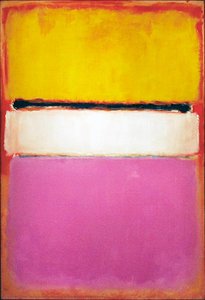
Untitled 92
Veľkosť reprodukcie
Mark Rothko's Untitled 92 is not simply a painting; it’s an invitation into a deeply personal and profoundly moving emotional landscape. Created sometime between 1949 and 1970 – the peak of his mature style – this work exemplifies Rothko’s revolutionary approach to color field painting, an artistic movement that sought to bypass representational imagery altogether in favor of directly communicating feeling through abstract means. The canvas breathes with a luminous intensity, dominated by variations of pink, subtly interwoven with hints of yellow, orange and red. These aren't colors applied as descriptive elements, but rather as veils, layered upon one another to create an atmosphere of contemplative weight.
To understand Untitled 92, we must consider the historical context in which it emerged. Following the devastation of World War II, many artists felt that traditional modes of representation were inadequate to express the anxieties and existential questioning of the era. Rothko, a Latvian immigrant who experienced firsthand the displacement and trauma of the early 20th century, sought a new visual language capable of conveying universal human emotions. He moved away from figuration, gradually simplifying his compositions until they reached this iconic state: large rectangular blocks of color floating against softly blurred backgrounds. This wasn’t about depicting *something*; it was about creating an *experience*. The scale of Rothko's canvases is crucial; they are intended to envelop the viewer, immersing them in a field of pure sensation.
Rothko’s technique was deceptively simple. He applied thin washes of oil paint onto unprimed canvas, allowing the pigment to soak into the fabric and create a luminous, almost ethereal quality. The edges of his color blocks are not sharply defined but rather softly blurred, creating a sense of vibration and movement. Close examination reveals subtle variations in texture – areas where the paint is thicker, others where it’s nearly transparent. This delicate balance between control and chance contributes to the painting's emotional resonance. He wasn’t interested in demonstrating painterly skill; his goal was to create an atmosphere that would evoke a visceral response in the viewer. The layering of colors isn’t haphazard but carefully considered, with darker tones often placed beneath lighter ones to create depth and luminosity.
Rothko resisted any attempts to interpret his work literally. He believed that the meaning resided not in what the paintings *depicted* but in how they *felt*. He famously stated he wasn’t interested in color or form as ends in themselves, but rather as vehicles for expressing “basic human emotions—tragedy, ecstasy, doom.” Untitled 92 invites us to confront these fundamental aspects of the human condition. The pink hues, while seemingly gentle, carry a weight of melancholy and longing. The painting doesn’t offer answers; it poses questions about existence, mortality, and the search for meaning in a chaotic world. It is this ambiguity, this openness to interpretation, that makes Rothko's work so enduringly powerful. To stand before Untitled 92 is to embark on an inward journey, a silent dialogue with one’s own emotions.
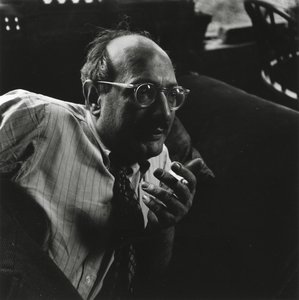
1903 - 1970 , Lotyšsko

Dive into the high-voltage world of Abstract Expressionism. Explore the raw energy of Action Painting and the legendary masters of the New York School through a visual journey of pure chaos and color. Discover how to bring bold, high-impact abstract art into your modern space.

Master the power of Color Field painting. Discover how bold, immersive color transforms modern spaces through this expert guide to one of art's most impactful movements. Elevate your interior design with high-impact, contemporary abstract aesthetics.

Dive into the raw power of Abstract Expressionism. Explore the high-octane energy of action painting and color field mastery. Discover how these bold, visceral movements redefine modern interiors with high-impact, premium abstract art for the contemporary collector.


Zostaňte v obraze s najnovšími správami zo sveta umenia, exkluzívnymi ponukami a nápormi na dekoráciu.
Povedzte nám o svojom projekte a naši odborníci na umenie vám pripravia 3 personalizované návrhy umeleckých diel.
Nechajte si od nás vybrať 3 možnosti priamo pre vás – zadarmo!


 Náhľad
 Odoslať
 Zdieľať
 Podrobnosti o dielo

 Stiahnuť
 Podobné diela
 RTG skúška
 Prezentácia

 Zobraziť viac







 Možnosť skla je dostupná len pri rozmeroch pod 110 cm