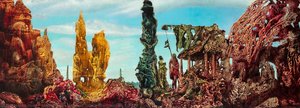
Ručne maľovaný olej na plátne vo vašej zvolenej veľkosti a v ráme, vyrobený na mieru našimi umelcami. ( Kúpiť tlač Kúpiť obrázok)





























Vyberte si z našich preddefinovaných rozmerov, ktoré zodpovedajú pôvodným pomeroḿ diela.

Môžete zadať vlastné rozmery tak, aby sa hodili do konkrétneho rámu alebo priestoru. Ak sa váš zvolený rozmer nezhoduje s pôvodnými proporciami obrazu, dielo buď orezáme, alebo ho doplníme ručne maľovanými prvkami. Pred začiatkom výroby vám zašleme digitálny náhľad na schválenie.
Upozorňujeme, že ukážka na obrazovke neodráža skutočné orezanie alebo doplnenie. Skutočnú finálnu kompozíciu zobrazuje iba digitálny náhľad.
Hoci sú k dispozícii vlastné rozmery, odporúčame vybrať rozmer z preddefinovaného zoznamu, aby sme zachovali pôvodné proporcie.
Celosvetová doprava () za 3 až 4 týždne namiesto štandardných 5 týždňov. (16 august). Bez kompromisov v kvalite.


Convolvulus! Convolvulus!
Veľkosť reprodukcie
Max Ernst’s “Convolvulus! Convolvulus!” isn't merely a painting; it’s an unsettling invitation into the subconscious, a crystallized moment of existential questioning rendered in vibrant surrealist hues. Created in 1936 during the height of Ernst’s artistic fervor—a period marked by collaboration with Luis Buñuel on “Un chien Andalou”—the artwork transcends simple visual representation, delving into themes of anxiety, metamorphosis, and the confrontation between humanity and nature.
The cactus itself serves as a potent symbol—representing resilience in adversity, but also prickly defensiveness and isolation. Its grotesque form embodies the anxieties surrounding societal pressures and the struggle to maintain individuality amidst conformity. Ernst’s deliberate distortion of botanical forms underscores his belief that art should challenge conventional perceptions and provoke contemplation about the human condition.
"Convolvulus! Convolvulus!" resonates with viewers on an emotional level—eliciting feelings of apprehension, fascination, and perhaps even recognition of the primal fears lurking beneath the surface of consciousness. Ernst’s pioneering use of Automatism established him as a cornerstone of Surrealist art, influencing generations of artists who sought to explore the uncharted territories of the imagination.
More than just aesthetically striking, the painting compels us to confront uncomfortable truths about ourselves and our relationship with the natural world—a challenge that continues to inspire debate and interpretation decades after its creation. It stands as a testament to Ernst’s unwavering commitment to artistic innovation and his profound understanding of the human psyche.
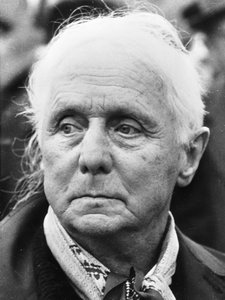
1891 - 1976 , Nemecko

Embark on a sophisticated journey through the dreamlike world of Surrealism. Discover the profound symbolism of masters like Dalí and learn how to curate evocative, subconscious-inspired masterpieces for your private collection with expert art historical insight.


Zostaňte v obraze s najnovšími správami zo sveta umenia, exkluzívnymi ponukami a nápormi na dekoráciu.
Povedzte nám o svojom projekte a naši odborníci na umenie vám pripravia 3 personalizované návrhy umeleckých diel.
Nechajte si od nás vybrať 3 možnosti priamo pre vás – zadarmo!


 Náhľad
 Odoslať
 Zdieľať
 Podrobnosti o dielo

 Stiahnuť
 Podobné diela
 RTG skúška
 Prezentácia
 Zobraziť viac







 Možnosť skla je dostupná len pri rozmeroch pod 110 cm