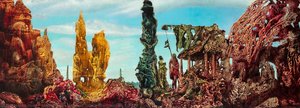
Giclée tlač alebo plátno múzeálnej kvality s rýchlou výrobou a flexibilnými možnosťami povrchovej úpravy. ( Kúpiť ručne maľovaný obraz Kúpiť obrázok)





























Vyberte si z našich preddefinovaných rozmerov, ktoré zodpovedajú pôvodným pomeroḿ diela.

Môžete zadať vlastné rozmery, aby sa reprodukcia prispôsobila konkrétnemu rámu alebo priestoru. Ak zvolená veľkosť nebude zodpovedať proporciám originálu, dielo buď orežeme, alebo obraz rozšírime pomocou zrkadlenia či farebného doplnenia okrajov. Pred začatím výroby vám pošleme digitálnu ukážku na schválenie.
Máte na vedomí, že náhľad na obrazovke neodzrkadľuje skutočné orezanie alebo rozšírenie. Len digitálna ukážka presne zobrazí finálnu kompozíciu.
Hoci sú k dispozícii vlastné rozmery, pre zachovanie pôvodných proporcií odporúčame vybrať si rozmer z vopred definovaného zoznamu.
Celosvetová doprava () do 2 týždňov namiesto štandardných 4/5 týždňov. (14 august)


Fleur violette
Veľkosť reprodukcie
Max Ernst's "Fleur violette" presents a captivating enigma, a visual puzzle that immediately draws the viewer into its unsettling yet undeniably compelling world. This seemingly simple composition – a dominant blue circle punctuated by bursts of yellow and red – is far more than just an exercise in color; it’s a potent distillation of Dadaist principles, reflecting Ernst's profound skepticism towards reason and his exploration of the subconscious mind. The painting’s raw energy and deliberate disruption of traditional artistic conventions speak to a period of intense social and political upheaval, mirroring the anxieties and uncertainties that defined the early 20th century.
The specific colors employed in "Fleur violette" are laden with symbolic weight. Blue, often associated with melancholy, spirituality, and the infinite, dominates the composition, creating a sense of isolation or perhaps even dread. The jarring bursts of yellow – representing energy, intellect, and sometimes deceit – clash violently with the blue, while red evokes passion, danger, and primal instincts. These colors aren’t blended harmoniously; they are deliberately juxtaposed to create visual tension and disrupt any attempt at rational interpretation.
Created during a period of immense social and political change – marked by World War I and the rise of Dadaism – “Fleur violette” reflects Ernst's disillusionment with Western civilization. Born in 1891, Ernst witnessed firsthand the horrors of war and the breakdown of traditional values. His artistic practice became a means of expressing his anxieties and challenging the status quo. Ernst’s intellectual background, encompassing philosophy, psychology, and psychiatry, profoundly shaped his work, leading him to explore themes of dreams, memory, and the irrational.
"Fleur violette" is a powerfully evocative work that continues to fascinate and challenge viewers today. Its unsettling composition, bold use of color, and Dadaist sensibilities create an atmosphere of unease and disorientation. This reproduction captures the essence of Ernst’s artistic vision, offering a tangible connection to one of the most important figures in 20th-century art. It's a piece that invites contemplation, prompting viewers to question their perceptions of reality and explore the depths of the human psyche.
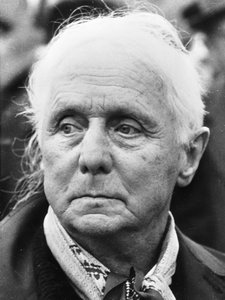
1891 - 1976 , Nemecko

Elevate your space with bold water landscapes and deep blue textures. Discover trending abstract art, from sculptural textiles to premium oil reproductions, designed to bring high-impact, liquid vibes to modern urban interiors.

Master the art of decorating with impact. Our expert guide decodes Giclée prints, exploring archival quality, pigment-based inks, and how to choose between high-fidelity reproductions and hand-painted oils for a bold, museum-grade aesthetic in your space.


Zostaňte v obraze s najnovšími správami zo sveta umenia, exkluzívnymi ponukami a nápormi na dekoráciu.
Povedzte nám o svojom projekte a naši odborníci na umenie vám pripravia 3 personalizované návrhy umeleckých diel.
Nechajte si od nás vybrať 3 možnosti priamo pre vás – zadarmo!


 Náhľad
 Odoslať
 Zdieľať
 Podrobnosti o dielo

 Stiahnuť
 Podobné diela
 RTG skúška
 Prezentácia

 Zobraziť viac







 Možnosť skla je dostupná len pri rozmeroch pod 110 cm