


Kúpte si digitálnu snímku vo vysokom rozlíšení s vylepšenými detailmi, ktorá je oveľa kvalitnejšia než online náhľad.
Každý súbor starostlivo pripravujú naši interní špecialisti pomocou pokročilých nástrojov a odborného manuálneho retušovania. Zabezpečujeme, aby každý obrázok disponoval výnimočnou čistotou, presnou farebnou vernosťou a jemnými detailmi.
Konečný súbor vám bude doručený e-mailom do 72 hodín, optimalizovaný pre okamžité použitie v profesionálnom, redakčnom aj tlačovom prostredí. Ide o rovnakú kvalitu, ktorej dôverajú špičkové dizajnérske štúdiá, vydavateľstvá a galérie.
Stiahnite si vysokorozlíšený súbor na osobné zobrazovanie, tlačenie a kreatívne projekty. ( Prejsť na tlač Prejsť na ručne maľovanú reprodukciu)
Keď si vyberiete BuyPopArt.com, nedostávate len obrázok – získate profesionálne upravené digitálne umenie, vytvorené s precíznosťou a so zárukou vašej maximálnej spokojnosti. Tu je všetko, čo je súčasťou vašej objednávky automaticky:

Vaša vysokorozlíšená digitálna súprava obrázkov vám bude zaslaná e-mailom do 72 hodín od objednávky – pripravená na okamžité použitie.

Vaše dielo je profesionálne optimalizované pomocou pokročilých nástrojov umelej inteligencie a manuálnej editácie, čo zaručuje maximálnu úroveň detailov, čistotu a presnosť farieb.

Náhodou ste zmazali alebo ste stratili svoj súbor? Nebavžte sa – pošleme vám ho kedykoľvek znova, úplne bez poplatkov.

Užite si svoje umelodelo okamžite bez colných poplatkov, daní alebo nákladov na dopravu – digitálne stiahnutia sú vždy oslobodené od dane.

Pomocou profesionálnych nástrojov a farebného manažmentu zabezpečujeme, aby vaša digitálna fotografia čo najpresnejšie odrážala pôvodné farby.

Ak nebudete spokojní so svojou digitálnou fotografiou, upravíme ju alebo vám vrátime 100% v priebehu 60 dní – bez zbytočných otázok.

Nie ste spokojní? Získajte plnú náhradu peňazí do 60 dní od prijatia vášho digitálneho súboru – bez zbytočných otázok.

Kúpte si 3 obrazy, ušetrite 10% - Kúpte si 5, ušetrite 15% - Kúpte si 10+, ušetrite 20%. Ideálne pre kreatívne projekty, galérie a agentúry.
Max Ernst’s “La plus belle,” a bronze sculpture created in 1967 during the twilight years of his career, isn't merely a depiction of a figure; it’s an invitation into a dreamscape – a carefully constructed world brimming with surrealist symbolism and a profound sense of melancholy. The piece, housed within Paul Kasmin Gallery in New York, immediately commands attention not through overt grandeur, but through a quiet intensity, a feeling that something significant is just beyond reach. It's a testament to Ernst’s masterful ability to distill complex emotions and philosophical inquiries into tangible form.
The sculpture itself presents a strikingly elongated female figure, almost skeletal in its grace, standing upon a rough-textured base reminiscent of weathered stone or volcanic rock. Her posture is subtly defiant yet undeniably vulnerable; one arm raised as if offering a gesture of greeting or perhaps a silent plea. The details are remarkably refined for a work created later in his life – the delicate curve of her spine, the suggestion of eyelashes, and the subtle shading that defines her form all speak to Ernst’s enduring artistic skill. The bronze itself possesses a rich patina, deepened by time and handling, adding layers of texture and visual interest.
Ernst's approach to sculpture during this period leaned heavily into the techniques he had pioneered in painting – frottage and grattage. These methods involved rubbing textured surfaces onto paper or canvas, creating layered patterns that evoked subconscious imagery. “La plus belle” embodies this spirit; the rough base isn’t simply a supporting element but an active participant in the composition, grounding the ethereal figure and hinting at hidden depths. The elongated proportions of the female form are a deliberate departure from realistic representation, aligning with the surrealist fascination with distorted forms and dreamlike scenarios. The bird-like quality of her features – particularly the suggestion of wings – is a recurring motif in Ernst’s work, often representing freedom, aspiration, or even a yearning for escape.
Furthermore, the sculpture's creation coincided with a period of intense personal reflection for Ernst. His tumultuous marriage to Peggy Guggenheim and his subsequent separation fueled a deep sense of disillusionment and introspection. This emotional landscape undoubtedly informed the work’s somber tone and its exploration of themes like beauty, loss, and the fragility of human existence. The title itself – “La plus belle” (The most beautiful) – carries a poignant irony, suggesting that true beauty may reside not in outward appearance but in resilience and acceptance.
Max Ernst was a pivotal figure in the Dada and Surrealist movements of the early 20th century. Initially associated with the radical anti-art stance of Dada, he later embraced the more psychologically driven approach of Surrealism, championed by André Breton. His work challenged conventional notions of art and representation, pushing boundaries through experimentation with materials, techniques, and subject matter. “La plus belle” can be understood as a culmination of these influences – a sophisticated synthesis of Dada’s iconoclastic spirit and Surrealism's exploration of the unconscious.
Following World War II, Ernst continued to produce innovative works, often revisiting themes from his earlier career. “La plus belle,” created in 1967, represents a period of relative stability and artistic maturity for the artist. It’s a poignant reminder of his enduring creative vitality and his ability to translate complex emotions into visually arresting forms. The sculpture's placement within Paul Kasmin Gallery, a respected contemporary art space, underscores its continued relevance and significance in the art world.
“La plus belle” possesses an undeniable emotional resonance that transcends mere aesthetic appreciation. It evokes a sense of quiet contemplation, inviting viewers to consider themes of beauty, loss, and the human condition. The sculpture’s subtle gestures and ambiguous symbolism encourage multiple interpretations, ensuring that it remains a source of fascination for generations to come. Its enduring appeal lies not only in Ernst's technical mastery but also in his profound ability to tap into universal emotions and experiences.
As a reproduction, “La plus belle” offers an opportunity to bring this evocative artwork into any interior space. The rich bronze patina and intricate details of the sculpture will add a touch of sophistication and intrigue, while its symbolic depth invites ongoing contemplation. It’s more than just a decorative object; it's a window into the mind of one of the 20th century’s most influential artists.
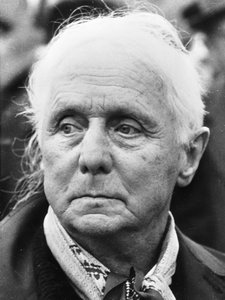
1891 - 1976 , Nemecko


Zostaňte v obraze s najnovšími správami zo sveta umenia, exkluzívnymi ponukami a nápormi na dekoráciu.
Povedzte nám o svojom projekte a naši odborníci na umenie vám pripravia 3 personalizované návrhy umeleckých diel.
Nechajte si od nás vybrať 3 možnosti priamo pre vás – zadarmo!


 Náhľad
 Odoslať
 Zdieľať
 Podrobnosti o dielo

 Stiahnuť
 Podobné diela
 RTG skúška
 Prezentácia

 Zobraziť viac