

Kúpte si digitálnu snímku vo vysokom rozlíšení s vylepšenými detailmi, ktorá je oveľa kvalitnejšia než online náhľad.
Každý súbor starostlivo pripravujú naši interní špecialisti pomocou pokročilých nástrojov a odborného manuálneho retušovania. Zabezpečujeme, aby každý obrázok disponoval výnimočnou čistotou, presnou farebnou vernosťou a jemnými detailmi.
Konečný súbor vám bude doručený e-mailom do 72 hodín, optimalizovaný pre okamžité použitie v profesionálnom, redakčnom aj tlačovom prostredí. Ide o rovnakú kvalitu, ktorej dôverajú špičkové dizajnérske štúdiá, vydavateľstvá a galérie.
Stiahnite si vysokorozlíšený súbor na osobné zobrazovanie, tlačenie a kreatívne projekty. ( Kúpiť tlač Kúpiť ručne maľovaný obraz)
Keď si vyberiete BuyPopArt.com, nedostávate len obrázok – získate profesionálne upravené digitálne umenie, vytvorené s precíznosťou a so zárukou vašej maximálnej spokojnosti. Tu je všetko, čo je súčasťou vašej objednávky automaticky:

Vaša vysokorozlíšená digitálna súprava obrázkov vám bude zaslaná e-mailom do 72 hodín od objednávky – pripravená na okamžité použitie.

Vaše dielo je profesionálne optimalizované pomocou pokročilých nástrojov umelej inteligencie a manuálnej editácie, čo zaručuje maximálnu úroveň detailov, čistotu a presnosť farieb.

Náhodou ste zmazali alebo ste stratili svoj súbor? Nebavžte sa – pošleme vám ho kedykoľvek znova, úplne bez poplatkov.

Užite si svoje umelodelo okamžite bez colných poplatkov, daní alebo nákladov na dopravu – digitálne stiahnutia sú vždy oslobodené od dane.

Pomocou profesionálnych nástrojov a farebného manažmentu zabezpečujeme, aby vaša digitálna fotografia čo najpresnejšie odrážala pôvodné farby.

Ak nebudete spokojní so svojou digitálnou fotografiou, upravíme ju alebo vám vrátime 100% v priebehu 60 dní – bez zbytočných otázok.

Nie ste spokojní? Získajte plnú náhradu peňazí do 60 dní od prijatia vášho digitálneho súboru – bez zbytočných otázok.

Kúpte si 3 obrazy, ušetrite 10% - Kúpte si 5, ušetrite 15% - Kúpte si 10+, ušetrite 20%. Ideálne pre kreatívne projekty, galérie a agentúry.
Max Ernst’s “The Tree,” a captivating yet enigmatic work, invites us into a world where the familiar yields to the profoundly strange. It's not merely a depiction of a tree laden with fruit; it’s a carefully constructed tableau brimming with symbolic weight and reflecting the artist’s deeply rooted fascination with the subconscious. The painting immediately arrests the eye with its vibrant palette – a riot of yellows, greens, and reds that suggest both fecundity and an underlying tension. The sheer volume of fruit—bananas and apples mingling together—creates a sense of overwhelming abundance, a visual metaphor for the potential and perils of excess. Yet, this apparent prosperity is subtly undercut by the presence of figures, some standing in quiet contemplation, others seemingly lost within the scene’s density.
Understanding “The Tree” requires acknowledging Max Ernst’s unique artistic trajectory. Born in Brühl, Germany, in 1891, Ernst wasn’t a traditional artist; he was an intellectual explorer who approached painting as a means of unlocking the hidden landscapes of his mind. His academic background—spanning philosophy, art history, psychology, and psychiatry – profoundly shaped his work. He deliberately sought to disrupt conventional representation, drawing inspiration from automatism, dream imagery, and the theories of Sigmund Freud. This pursuit of the irrational is powerfully evident here; the seemingly random arrangement of objects and figures suggests a world governed not by logic but by instinct and association. Ernst’s early experiments with frottage—a technique involving rubbing paper over textured surfaces – further demonstrate his interest in accessing the unconscious, creating images that emerge organically from chance encounters.
The specific fruits depicted—bananas and apples—carry significant symbolic weight. Bananas, often associated with tropical abundance and exotic allure, can also represent temptation and fleeting pleasure. Apples, steeped in mythology and religious iconography (particularly linked to the story of Adam and Eve), symbolize knowledge, sin, and mortality. Their juxtaposition suggests a complex interplay between desire, transgression, and the consequences of choice. The figures themselves are deliberately ambiguous; their postures and expressions invite speculation about their relationship to the tree and its bounty. Are they participants in a celebration? Victims of an overwhelming experience? Or simply observers of this surreal spectacle?
“The Tree” stands as a quintessential example of Max Ernst's contribution to the Surrealist movement. It embodies his commitment to challenging conventional perceptions and exploring the depths of the human psyche. His work, like that of many pioneers of the 20th century, continues to resonate with viewers today, prompting us to question our own assumptions about reality and inviting us to embrace the power of the imagination. A reproduction of this vibrant and unsettling masterpiece offers a unique opportunity to bring this complex and compelling vision into your home or studio – a testament to Ernst’s enduring legacy as one of art's most daring and innovative figures.
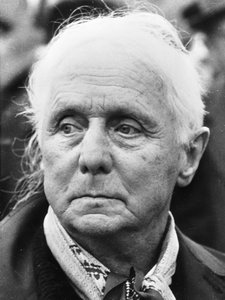
1891 - 1976 , Nemecko


Zostaňte v obraze s najnovšími správami zo sveta umenia, exkluzívnymi ponukami a nápormi na dekoráciu.
Povedzte nám o svojom projekte a naši odborníci na umenie vám pripravia 3 personalizované návrhy umeleckých diel.
Nechajte si od nás vybrať 3 možnosti priamo pre vás – zadarmo!


 Náhľad
 Odoslať
 Zdieľať
 Podrobnosti o dielo

 Stiahnuť
 Podobné diela
 RTG skúška
 Prezentácia

 Zobraziť viac