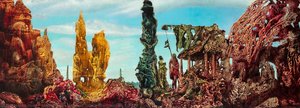
Giclée tlač alebo plátno múzeálnej kvality s rýchlou výrobou a flexibilnými možnosťami povrchovej úpravy. ( Kúpiť ručne maľovaný obraz Kúpiť obrázok)





























Vyberte si z našich preddefinovaných rozmerov, ktoré zodpovedajú pôvodným pomeroḿ diela.

Môžete zadať vlastné rozmery, aby sa reprodukcia prispôsobila konkrétnemu rámu alebo priestoru. Ak zvolená veľkosť nebude zodpovedať proporciám originálu, dielo buď orežeme, alebo obraz rozšírime pomocou zrkadlenia či farebného doplnenia okrajov. Pred začatím výroby vám pošleme digitálnu ukážku na schválenie.
Máte na vedomí, že náhľad na obrazovke neodzrkadľuje skutočné orezanie alebo rozšírenie. Len digitálna ukážka presne zobrazí finálnu kompozíciu.
Hoci sú k dispozícii vlastné rozmery, pre zachovanie pôvodných proporcií odporúčame vybrať si rozmer z vopred definovaného zoznamu.
Celosvetová doprava () do 2 týždňov namiesto štandardných 4/5 týždňov. (13 august)


untitled (1997)
Veľkosť reprodukcie
Max Ernst’s “The Birds,” completed in 1924, stands as an emblem of the Dada and Surrealist movements—a defiant rejection of rational thought and a fervent embrace of subconscious imagery. More than just a painting; it's a meticulously crafted manifesto of artistic liberation, reflecting Ernst’s profound skepticism towards bourgeois values and his fascination with primal instincts.
Ernst pioneered the technique of “frottage,” rubbing a textured surface—often paper or wood—with wax crayons to transfer its patterns onto another sheet. This process, combined with collage—assembling disparate materials like newspaper clippings, fabric scraps, and painted fragments—created an astonishingly complex visual tapestry. The resulting image isn’t merely observed; it's actively participated in by the viewer, inviting them into Ernst’s dreamlike realm.
"The Birds" emerged during Dada’s tumultuous period (1916-1923), a movement born from the horrors of World War I. Dada artists deliberately undermined artistic conventions, embracing absurdity and chance as tools for critique. They questioned established hierarchies—challenging notions of beauty, skill, and intellectual authority—and sought to dismantle societal illusions.
The painting’s central motif – a flock of birds dominating the composition – transcends literal representation. Ernst drew inspiration from ornithologist Oskar Kokoschka's research on bird behavior, interpreting their movements as symbolic of primal instincts and transformative processes. The birds aren’t merely decorative elements; they embody the artist’s belief in the power of subconscious forces to reshape perception.
"The Birds" exudes an unsettling atmosphere—a palpable sense of anxiety mingled with yearning. Ernst skillfully employs muted colors—primarily ochre, brown, and gray—to convey a feeling of desolate beauty. The fragmented landscape evokes the psychological turmoil experienced during the war years, mirroring Ernst’s own inner struggles. Yet, amidst the darkness lies a glimmer of hope—represented by the birds' upward trajectory, symbolizing aspiration and the possibility of transcendence.
A stunning reproduction of “The Birds” captures the essence of Ernst’s visionary style—a testament to his enduring influence on Surrealist art and a captivating glimpse into the depths of the human psyche.

1891 - 1976 , Nemecko
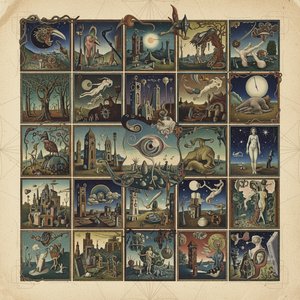
Ponorte sa do sveta Maxa Ernsta! Objavte top 25 diel surrealistického majstra – od Frottage po snové krajiny. Kúpiť reprodukcie obrazov online na BuyPopArt.com a doprajte si luxusný dekor do interiéru.
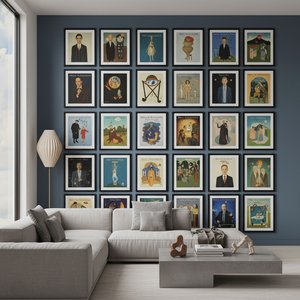
Ponorte sa do sveta René Magritta s BuyPopArt.com! Objavte top 25 diel belgického surrealistu – od ikonických obrazov po tajomné symboly. Kúpiť reprodukcie a inšpirujte sa pre luxusný interiér. Preskúmajte plátna, farebné motívy a umeleckú históriu online.

Embark on a journey through the subconscious with our expert guide to Surrealism. Discover the profound symbolism of masters like Dalí and Ernst, exploring how dreamlike imagery reshaped art history and continues to inspire collectors and enthusiasts worldwide.

Explore the captivating world of Pop Surrealism. Discover how vibrant Pop Art meets dreamlike subconscious imagery through the works of masters like Jeff Soto and Ryan Heshka. An expert guide for discerning collectors seeking to understand this profound contemporary art movement.
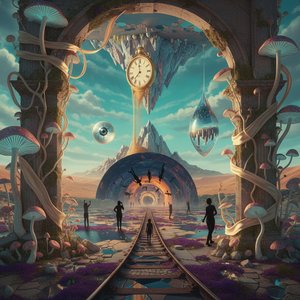
Explore the fascinating world of Surrealism! Discover its origins, key artists like Dalí & Magritte, and enduring influence on art & culture. Expert insights & high-quality reproductions at BuyPopArt.


Zostaňte v obraze s najnovšími správami zo sveta umenia, exkluzívnymi ponukami a nápormi na dekoráciu.
Povedzte nám o svojom projekte a naši odborníci na umenie vám pripravia 3 personalizované návrhy umeleckých diel.
Nechajte si od nás vybrať 3 možnosti priamo pre vás – zadarmo!


 Náhľad
 Odoslať
 Zdieľať
 Podrobnosti o dielo

 Stiahnuť
 Podobné diela
 RTG skúška
 Prezentácia
 Zobraziť viac







 Možnosť skla je dostupná len pri rozmeroch pod 110 cm