Ručne maľovaný olej na plátne vo vašej zvolenej veľkosti a v ráme, vyrobený na mieru našimi umelcami. ( Kúpiť tlač Kúpiť obrázok)





























Vyberte si z našich preddefinovaných rozmerov, ktoré zodpovedajú pôvodným pomeroḿ diela.

Môžete zadať vlastné rozmery tak, aby sa hodili do konkrétneho rámu alebo priestoru. Ak sa váš zvolený rozmer nezhoduje s pôvodnými proporciami obrazu, dielo buď orezáme, alebo ho doplníme ručne maľovanými prvkami. Pred začiatkom výroby vám zašleme digitálny náhľad na schválenie.
Upozorňujeme, že ukážka na obrazovke neodráža skutočné orezanie alebo doplnenie. Skutočnú finálnu kompozíciu zobrazuje iba digitálny náhľad.
Hoci sú k dispozícii vlastné rozmery, odporúčame vybrať rozmer z preddefinovaného zoznamu, aby sme zachovali pôvodné proporcie.
Celosvetová doprava () za 3 až 4 týždne namiesto štandardných 5 týždňov. (12 august). Bez kompromisov v kvalite.


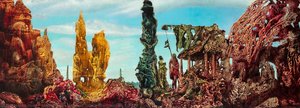
untitled (2964)
Veľkosť reprodukcie
Max Ernst's "Untitled (2964)" is not merely a depiction of a desert scene; it’s an immersion into the subconscious, a meticulously crafted exploration of the surreal that defines much of the artist’s oeuvre. This enigmatic work, painted by the German master in what remains unknown date, presents a group of figures adrift within a stark, almost desolate landscape – a tableau ripe with psychological and philosophical implications. The painting immediately draws the viewer into a realm where reality bends to the will of the imagination, inviting contemplation on themes of isolation, observation, and the unsettling nature of human interaction.
Born in Brühl, Germany, in 1891, Max Ernst was a profoundly unconventional artist. His artistic trajectory wasn't forged through traditional academic routes but rather through a relentless pursuit of knowledge across diverse fields – philosophy, art history, psychology, and psychiatry – all nurtured under the influence of his teacher father, who instilled both sensitivity and rebellion. This intellectual grounding is palpable in "Untitled (2964)," where the arrangement of figures, the barren landscape, and the implied narrative resonate with Ernst’s fascination with the unconscious mind and his desire to challenge conventional perceptions. His early exposure to Dadaism and its rejection of established norms further fueled this exploration of the irrational and dreamlike.
The scene itself is a masterclass in surrealist composition. The figures, scattered across the foreground and receding into the distance, create a sense of unease and disorientation. Their interactions – or lack thereof – are ambiguous, prompting questions about their motivations and relationships. The vast, empty desert, devoid of any recognizable vegetation or water source, amplifies this feeling of isolation and vulnerability. This desolate setting isn’t simply a backdrop; it's an active participant in the painting’s unsettling atmosphere, mirroring perhaps the inner landscapes of the figures themselves. Ernst frequently employed techniques like frottage – rubbing pencil over textured surfaces to create unexpected images – which likely informed the organic, almost dreamlike quality of this composition.
"Untitled (2964)" is rich in symbolic potential. The items carried by some of the figures—a handbag and a bowl—suggest a fleeting connection to domesticity or perhaps a futile attempt to impose order on the chaotic scene. The large tree trunk, dominating the composition, could represent both life and decay, memory and oblivion. The overall effect is profoundly evocative, stirring feelings of melancholy, mystery, and a subtle sense of dread. It’s a painting that lingers in the mind long after viewing, prompting viewers to confront their own anxieties about existence and perception. This piece exemplifies Ernst's ability to tap into primal emotions through carefully constructed imagery.
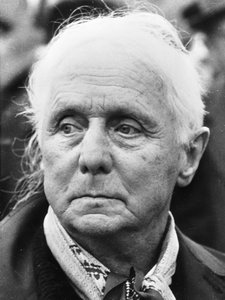
1891 - 1976 , Nemecko

Ponorte sa do sveta snov a podvedomia! Objavte top 10 surrealistických majstrovských diel od Dalího, Magritta a Miró. Kvalitné art reprodukcie pre váš domov na BuyPopArt.com. Preskúmajte plnú kolekciu online.
Ponorte sa do sveta Maxa Ernsta! Objavte top 25 diel surrealistického majstra – od Frottage po snové krajiny. Kúpiť reprodukcie obrazov online na BuyPopArt.com a doprajte si luxusný dekor do interiéru.

Explore the captivating world of Surrealism with BuyPopArt. Discover its origins, key artists like Dalí & Ernst, and enduring influence on art history. High-quality reproductions available.

Ponorte sa do sveta surrealistického expresionizmu! Objavte 10 majstrovských diel od Dalího, Magritta a ďalších. História umenia, techniky a reprodukcie obrazov pre váš domov na BuyPopArt.com. Preskúmajte kolekciu online!

Ponorte sa do sveta Joana Miróa s našou exkluzívnou kolekciou 25 ikonických diel. Objavte príbehy za abstraktnými kompozíciami, surrealistickými motívmi a katalánskou farebnosťou. Reprodukcie obrazov pre váš dokonalý interiér na BuyPopArt.com.


Zostaňte v obraze s najnovšími správami zo sveta umenia, exkluzívnymi ponukami a nápormi na dekoráciu.
Povedzte nám o svojom projekte a naši odborníci na umenie vám pripravia 3 personalizované návrhy umeleckých diel.
Nechajte si od nás vybrať 3 možnosti priamo pre vás – zadarmo!


 Náhľad
 Odoslať
 Zdieľať
 Podrobnosti o dielo

 Stiahnuť
 Podobné diela
 RTG skúška
 Prezentácia

 Zobraziť viac







 Možnosť skla je dostupná len pri rozmeroch pod 110 cm