Giclée tlač alebo plátno múzeálnej kvality s rýchlou výrobou a flexibilnými možnosťami povrchovej úpravy. ( Kúpiť ručne maľovaný obraz Kúpiť obrázok)





























Vyberte si z našich preddefinovaných rozmerov, ktoré zodpovedajú pôvodným pomeroḿ diela.

Môžete zadať vlastné rozmery, aby sa reprodukcia prispôsobila konkrétnemu rámu alebo priestoru. Ak zvolená veľkosť nebude zodpovedať proporciám originálu, dielo buď orežeme, alebo obraz rozšírime pomocou zrkadlenia či farebného doplnenia okrajov. Pred začatím výroby vám pošleme digitálnu ukážku na schválenie.
Máte na vedomí, že náhľad na obrazovke neodzrkadľuje skutočné orezanie alebo rozšírenie. Len digitálna ukážka presne zobrazí finálnu kompozíciu.
Hoci sú k dispozícii vlastné rozmery, pre zachovanie pôvodných proporcií odporúčame vybrať si rozmer z vopred definovaného zoznamu.
Celosvetová doprava () do 2 týždňov namiesto štandardných 4/5 týždňov. (14 august)


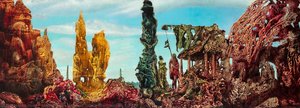
untitled (607)
Veľkosť reprodukcie
Max Ernst’s “Untitled (607),” painted circa 1938, stands as a cornerstone of Surrealism—a movement born from the anxieties and intellectual ferment of post-World War I Europe. More than just an image; it's a carefully constructed puzzle designed to provoke contemplation about the subconscious mind and challenge conventional perceptions of reality.
The painting depicts a woman devoid of head, positioned centrally amidst a landscape populated by enigmatic figures—some bearing faces, others obscured—and dominated by a boat-like object drifting on water. Ernst’s signature style is immediately recognizable: meticulous detail juxtaposed with dreamlike distortions. He employs a technique rooted in automatism – a method championed by André Breton and his Surrealist circle – where artists attempt to bypass conscious thought and allow the subconscious to dictate their creative process.
Automatism wasn't merely about chance; it was underpinned by Freudian psychoanalysis, which posits that repressed desires and anxieties reside beneath the surface of consciousness. Ernst’s method aimed to liberate artistic expression from rational constraints, tapping into primal instincts and fantasies. The resulting imagery is often unsettling yet undeniably captivating—a deliberate disruption of visual harmony intended to unsettle the viewer.
Symbolism permeates every element of “Untitled (607).” The headless woman represents a fragmented psyche—a loss of identity and control—reflecting the psychological trauma experienced by many artists during this period. The boat symbolizes escape from societal pressures, but also suggests vulnerability and precariousness. Ernst’s masterful use of color – muted tones punctuated by splashes of vibrant hues – contributes to the painting's emotional resonance.
Beyond its formal qualities, “Untitled (607)” speaks to broader themes of existential questioning and artistic rebellion. It embodies Surrealism’s conviction that art should confront uncomfortable truths and explore the hidden realms of human experience. The painting continues to inspire artists and collectors alike, serving as a testament to Ernst's enduring legacy as one of the most influential figures in modern art.
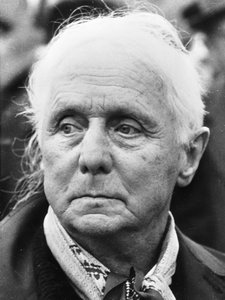
1891 - 1976 , Nemecko

Dive into the visceral world of Surrealist Expressionism. Explore how dream logic meets raw emotion through a visual journey of iconic techniques, post-war history, and bold aesthetics to transform your modern space with high-impact, unforgettable art.

Embark on a sophisticated journey through the dreamlike world of Surrealism. Discover the profound symbolism of masters like Dalí and learn how to curate evocative, subconscious-inspired masterpieces for your private collection with expert art historical insight.


Zostaňte v obraze s najnovšími správami zo sveta umenia, exkluzívnymi ponukami a nápormi na dekoráciu.
Povedzte nám o svojom projekte a naši odborníci na umenie vám pripravia 3 personalizované návrhy umeleckých diel.
Nechajte si od nás vybrať 3 možnosti priamo pre vás – zadarmo!


 Náhľad
 Odoslať
 Zdieľať
 Podrobnosti o dielo

 Stiahnuť
 Podobné diela
 RTG skúška
 Prezentácia
 Zobraziť viac







 Možnosť skla je dostupná len pri rozmeroch pod 110 cm