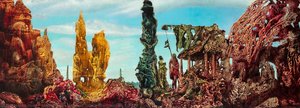
Giclée tlač alebo plátno múzeálnej kvality s rýchlou výrobou a flexibilnými možnosťami povrchovej úpravy. ( Kúpiť ručne maľovaný obraz Kúpiť obrázok)





























Vyberte si z našich preddefinovaných rozmerov, ktoré zodpovedajú pôvodným pomeroḿ diela.

Môžete zadať vlastné rozmery, aby sa reprodukcia prispôsobila konkrétnemu rámu alebo priestoru. Ak zvolená veľkosť nebude zodpovedať proporciám originálu, dielo buď orežeme, alebo obraz rozšírime pomocou zrkadlenia či farebného doplnenia okrajov. Pred začatím výroby vám pošleme digitálnu ukážku na schválenie.
Máte na vedomí, že náhľad na obrazovke neodzrkadľuje skutočné orezanie alebo rozšírenie. Len digitálna ukážka presne zobrazí finálnu kompozíciu.
Hoci sú k dispozícii vlastné rozmery, pre zachovanie pôvodných proporcií odporúčame vybrať si rozmer z vopred definovaného zoznamu.
Celosvetová doprava () do 2 týždňov namiesto štandardných 4/5 týždňov. (16 august)


untitled (7433)
Veľkosť reprodukcie
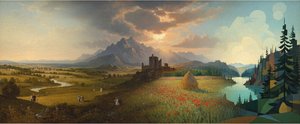
Max Ernst’s “Untitled (7433),” a captivating depiction of a verdant forest brimming with wildflowers and birdsong, transcends mere visual representation; it embodies the core tenets of Surrealism—a deliberate confrontation with the subconscious mind and an embrace of dreamlike imagery. Painted sometime in the mid-1960s, this artwork stands as a testament to Ernst’s unwavering commitment to experimentation and his profound fascination with psychological landscapes.
Born in Brühl, Germany, in 1891, Max Ernst emerged as a pivotal figure during the Dada movement—a reaction against the horrors of World War I and a rejection of bourgeois values. Dada artists deliberately undermined logic and rationality, prioritizing spontaneity and chance encounters. Surrealism, which Ernst helped establish, built upon Dada’s rebellious spirit but focused on exploring the realm of dreams and unconscious desires.
Ernst's intellectual background—rooted in philosophy, art history, literature, psychology, and psychiatry—provided him with invaluable tools for dissecting societal norms and interrogating the human condition. He wasn’t merely interested in replicating what he saw; he sought to access deeper truths hidden beneath the surface of consciousness.
"Untitled (7433)" is laden with symbolic significance. The birds, positioned prominently within the composition, represent freedom and aspiration—themes recurrent throughout Ernst’s oeuvre. Their presence suggests a yearning for transcendence and an escape from earthly constraints. Similarly, the yellow flowers symbolize optimism and rebirth—a visual counterpoint to the muted tones of the forest backdrop.
Ultimately, this artwork invites contemplation on themes of solitude, beauty, and the transformative power of imagination. It’s a piece that speaks to our innate desire for connection with nature and with the hidden depths of our own minds—a timeless reminder that art can illuminate the complexities of human experience.
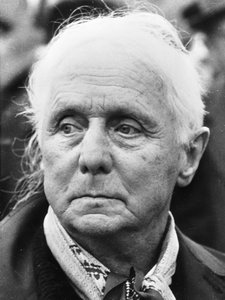
1891 - 1976 , Nemecko
Ponorte sa do sveta Maxa Ernsta! Objavte top 25 diel surrealistického majstra – od Frottage po snové krajiny. Kúpiť reprodukcie obrazov online na BuyPopArt.com a doprajte si luxusný dekor do interiéru.
Objavte top 10 krajín v umení od Van Gogha po Monet! Prežite príbehy slávnych majstrov a ich ikonických diel. Reprodukcie obrazov pre váš domov na BuyPopArt.com – múzejná kvalita, inšpirácia a dekorácie.

Ponorte sa do sveta romantickej krajinomaľby! Objavte top 10 majstrovských diel od Friedricha, Turnera a ďalších. Historické obrazy prírody s nádychom emócií. Reprodukcie obrazov pre váš interiér na BuyPopArt.com.
Explore the rich history of landscape art with BuyPopArt. Discover renowned artists, movements like Impressionism & Romanticism, and expert guidance for collecting timeless pieces. Find your perfect serene escape today!

Explore the rich history of forests in art! Discover Romantic masterpieces by Friedrich & Monet, Symbolist depths, and contemporary visions. Find inspiration & quality reproductions at BuyPopArt.


Zostaňte v obraze s najnovšími správami zo sveta umenia, exkluzívnymi ponukami a nápormi na dekoráciu.
Povedzte nám o svojom projekte a naši odborníci na umenie vám pripravia 3 personalizované návrhy umeleckých diel.
Nechajte si od nás vybrať 3 možnosti priamo pre vás – zadarmo!


 Náhľad
 Odoslať
 Zdieľať
 Podrobnosti o dielo

 Stiahnuť
 Podobné diela
 RTG skúška
 Prezentácia
 Zobraziť viac







 Možnosť skla je dostupná len pri rozmeroch pod 110 cm