

Kúpte si digitálnu snímku vo vysokom rozlíšení s vylepšenými detailmi, ktorá je oveľa kvalitnejšia než online náhľad.
Každý súbor starostlivo pripravujú naši interní špecialisti pomocou pokročilých nástrojov a odborného manuálneho retušovania. Zabezpečujeme, aby každý obrázok disponoval výnimočnou čistotou, presnou farebnou vernosťou a jemnými detailmi.
Konečný súbor vám bude doručený e-mailom do 72 hodín, optimalizovaný pre okamžité použitie v profesionálnom, redakčnom aj tlačovom prostredí. Ide o rovnakú kvalitu, ktorej dôverajú špičkové dizajnérske štúdiá, vydavateľstvá a galérie.
Stiahnite si vysokorozlíšený súbor na osobné zobrazovanie, tlačenie a kreatívne projekty. ( Kúpiť tlač Kúpiť ručne maľovaný obraz)
Keď si vyberiete BuyPopArt.com, nedostávate len obrázok – získate profesionálne upravené digitálne umenie, vytvorené s precíznosťou a so zárukou vašej maximálnej spokojnosti. Tu je všetko, čo je súčasťou vašej objednávky automaticky:

Vaša vysokorozlíšená digitálna súprava obrázkov vám bude zaslaná e-mailom do 72 hodín od objednávky – pripravená na okamžité použitie.

Vaše dielo je profesionálne optimalizované pomocou pokročilých nástrojov umelej inteligencie a manuálnej editácie, čo zaručuje maximálnu úroveň detailov, čistotu a presnosť farieb.

Náhodou ste zmazali alebo ste stratili svoj súbor? Nebavžte sa – pošleme vám ho kedykoľvek znova, úplne bez poplatkov.

Užite si svoje umelodelo okamžite bez colných poplatkov, daní alebo nákladov na dopravu – digitálne stiahnutia sú vždy oslobodené od dane.

Pomocou profesionálnych nástrojov a farebného manažmentu zabezpečujeme, aby vaša digitálna fotografia čo najpresnejšie odrážala pôvodné farby.

Ak nebudete spokojní so svojou digitálnou fotografiou, upravíme ju alebo vám vrátime 100% v priebehu 60 dní – bez zbytočných otázok.

Nie ste spokojní? Získajte plnú náhradu peňazí do 60 dní od prijatia vášho digitálneho súboru – bez zbytočných otázok.

Kúpte si 3 obrazy, ušetrite 10% - Kúpte si 5, ušetrite 15% - Kúpte si 10+, ušetrite 20%. Ideálne pre kreatívne projekty, galérie a agentúry.
Max Ernst's "Untitled (7876)" isn’t merely a painting; it’s an invitation into a meticulously constructed dream. Created in the heart of the 20th century, this monochrome masterpiece transcends simple representation, plunging the viewer into a realm where symbolism and subconscious imagery intertwine with stark beauty. Born in Brühl, Germany, in 1891, Ernst was a restless innovator, rejecting conventional artistic paths to forge his own unique voice within the burgeoning movements of Dada and Surrealism. His early life, marked by a challenging relationship with his strict father and a fascination with the psychological landscapes of the mentally ill, profoundly shaped his later work – an exploration of the hidden depths of the human psyche.
The painting immediately captivates with its unsettling yet alluring composition. Two figures dominate the scene, presented in stark contrast. One, rendered with a degree of realism, stands as a grounding presence amidst the swirling abstraction. Its counterpart is dramatically transformed – adorned with intricate, tribal-like markings that seem to pulse with an inner life. These patterns aren’t merely decorative; they suggest layers of cultural identity, spiritual belief, or perhaps even a symbolic representation of the subconscious itself. The landscape behind them is equally arresting: rolling hills bleed into a hazy horizon, punctuated by what could be interpreted as stylized water features – a blend of natural forms and deliberate abstraction.
Ernst’s masterful technique lies in his ability to evoke texture and depth through seemingly simple means. The work appears to have been executed primarily with graphite or charcoal on paper, creating a subtle yet powerful range of tonal gradations. Strong outlines define the figures and landscape elements, providing structure while simultaneously allowing for an exploration of shadow and light. Crucially, Ernst employed his signature technique of “frottage,” rubbing pencil over textured surfaces to create layered impressions – a method he developed during his time experimenting with collage. This process is particularly evident in the intricate patterns covering the second figure, suggesting a deliberate layering of visual information.
The monochrome palette—a symphony of grays and whites—contributes significantly to the painting’s dreamlike quality. It strips away the distractions of color, forcing the viewer to focus on form, line, and texture. The diffused lighting further enhances this effect, eliminating harsh shadows and creating a sense of atmospheric depth. The flatness of the perspective, however, prevents the scene from feeling entirely two-dimensional; overlapping elements and tonal variations subtly suggest distance and spatial relationships.
“Untitled (7876)” is rich in symbolic potential. The bird held by one of the figures, a recurring motif in Ernst’s work, often represents freedom, transcendence, or even the artist himself – a winged messenger carrying fragments of the subconscious. The tribal markings on the second figure could be interpreted as symbols of cultural heritage, spiritual beliefs, or perhaps a representation of the hidden aspects of the self. The overall mood is one of quiet contemplation and introspection—a feeling that resonates with the core tenets of Surrealism: exploring the realm of dreams, fantasies, and the irrational.
The painting’s enduring power lies in its ability to evoke a sense of mystery and invite personal interpretation. It's not simply a depiction of two figures; it’s an invitation into a psychological landscape—a journey into the depths of the human mind. Like many of Ernst’s works, “Untitled (7876)” serves as a potent reminder that art can be more than just representation; it can be a conduit to the unconscious and a reflection of our deepest desires and fears.
To truly appreciate “Untitled (7876)” within the context of Max Ernst’s broader artistic output, consider exploring his other works, particularly those employing frottage and collage. Resources such as the online database Wikipedia offer a comprehensive overview of his life and career. The Artists Database provides further details on his artistic techniques and influences. Furthermore, examining the painting alongside other Surrealist works by artists like Salvador Dalí and René Magritte can illuminate the shared concerns and stylistic approaches of this influential movement.
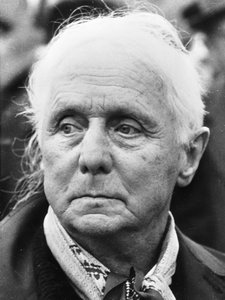
1891 - 1976 , Nemecko


Zostaňte v obraze s najnovšími správami zo sveta umenia, exkluzívnymi ponukami a nápormi na dekoráciu.
Povedzte nám o svojom projekte a naši odborníci na umenie vám pripravia 3 personalizované návrhy umeleckých diel.
Nechajte si od nás vybrať 3 možnosti priamo pre vás – zadarmo!


 Náhľad
 Odoslať
 Zdieľať
 Podrobnosti o dielo

 Stiahnuť
 Podobné diela
 RTG skúška
 Prezentácia

 Zobraziť viac