

 Abstract Expressionism
 1994
1994 1469.0 x 1666.0 cm
 Národné múzeum v Singapure
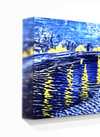
Ručne maľovaný olej na plátne vo vašej zvolenej veľkosti a v ráme, vyrobený na mieru našimi umelcami. ( Switch to Print Switch to Image)
Vyberte si z našich preddefinovaných rozmerov, ktoré zodpovedajú pôvodným pomeroḿ diela.

Môžete zadať vlastné rozmery tak, aby sa hodili do konkrétneho rámu alebo priestoru. Ak sa váš zvolený rozmer nezhoduje s pôvodnými proporciami obrazu, dielo buď orezáme, alebo ho doplníme ručne maľovanými prvkami. Pred začiatkom výroby vám zašleme digitálny náhľad na schválenie.
Upozorňujeme, že ukážka na obrazovke neodráža skutočné orezanie alebo doplnenie. Skutočnú finálnu kompozíciu zobrazuje iba digitálny náhľad.
Hoci sú k dispozícii vlastné rozmery, odporúčame vybrať rozmer z preddefinovaného zoznamu, aby sme zachovali pôvodné proporcie.
Celosvetová doprava () za 3 až 4 týždne namiesto štandardných 5 týždňov. (28 júl). Bez kompromisov v kvalite.


Kaa
Veľkosť reprodukcie
Born in Birmingham, Alabama, on October 17, 1955, Kerry James Marshall’s life and artistic journey are inextricably linked to the experiences of being Black in America – specifically, the legacy of the Great Migration and the realities of urban life in the mid-20th century. Raised in Los Angeles’ South Central neighborhood, a region grappling with racial tensions and economic hardship, Marshall developed an acute awareness of visual representation and its limitations. His childhood was marked by exposure to both the vibrant culture of Black communities and the stark inequalities that defined his surroundings. This formative environment profoundly shaped his artistic vision, driving him to challenge conventional notions of art history and create a space for marginalized voices.
Marshall’s early education laid the groundwork for his future success. He honed his skills at the Otis Art Institute of Los Angeles County, where he studied under Charles White, a prominent social realist painter who instilled in him a deep appreciation for figurative representation and its potential to address social issues. White's mentorship proved crucial, providing Marshall with the technical foundation and philosophical guidance necessary to embark on his ambitious artistic project: to redress the historical absence of Black figures within Western art’s canon. As he himself stated, “I want to make visible what has been invisible.”
Marshall's most celebrated work revolves around a deliberate and complex strategy – what he termed a "counter-archive." Rejecting the traditional narratives of art history that largely ignored or misrepresented Black subjects, Marshall began creating paintings depicting scenes from African American life in the 1980s. These weren’t simply portraits; they were meticulously researched compositions drawing heavily on historical painting techniques—particularly those of the Old Masters—but applied to contemporary Black figures and settings. He studied Renaissance frescoes, Baroque altarpieces, and classical mythology, painstakingly replicating their compositional structures, lighting schemes, and color palettes.
This appropriation wasn’t intended as a simple imitation. Instead, Marshall used these established visual languages to expose the inherent biases within them. By placing Black figures within these familiar frameworks—a pose reminiscent of Titian's *Venus of Urbino*, a scene echoing Rembrandt’s *The Night Watch*—he highlighted the ways in which art history had systematically excluded and misrepresented Black experiences. His paintings are not merely representations; they are critical interventions, demanding recognition and challenging viewers to confront their own assumptions about representation and power.
Marshall’s work is deeply rooted in themes of identity, race, and social justice. He frequently depicts Black men engaged in everyday activities—fishing, working, playing—often within the context of urban landscapes. These scenes are imbued with a quiet dignity and resilience, reflecting the strength and complexity of Black culture. His subject matter draws heavily from his own upbringing in Los Angeles, particularly the experiences of growing up near the Black Panther Party headquarters in Watts.
Beyond painting, Marshall’s artistic practice extends to drawing, sculpture, and public art installations. He has also explored printmaking as a means of disseminating his ideas and engaging with broader audiences. The influence of figures like Charles White, Jacob Lawrence, and Romare Bearden is evident in his work, but Marshall ultimately forged his own distinctive voice—one that is both historically informed and profoundly contemporary.
Kerry James Marshall’s impact on the art world is undeniable. His work has been exhibited extensively at major museums and galleries around the globe, including the Museum of Contemporary Art Chicago, The Metropolitan Museum of Art, and the Royal Academy of Arts in London. He was awarded a MacArthur Fellowship in 1991, recognizing his exceptional creativity and contributions to the arts. In 2017, he was included on *Time* magazine’s annual list of the 100 most influential people in the world – a testament to the profound impact of his artistic vision.
Marshall's retrospective exhibition, *Kerry James Marshall: Mastry*, curated by Lisa Dennison at the Museum of Contemporary Art Chicago in 2016, was widely hailed as a landmark event. It offered a comprehensive overview of his career and solidified his position as one of the most important artists of our time. His work continues to inspire dialogue about representation, identity, and the power of art to challenge social injustice. Kerry James Marshall passed away on March 30, 2007, leaving behind a rich and enduring legacy that will continue to resonate for generations to come.

1955 - 2007 , Malaysia
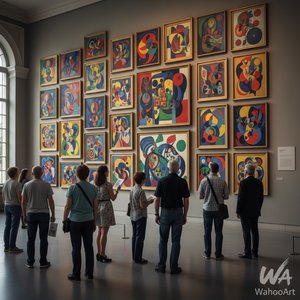
Ponorte sa do sveta Wassilyho Kandinského s BuyPopArt.com! Objavte top 25 diel abstraktného umenia, expresionizmu a farebných kompozícií. Kúpiť reprodukcie obrazov pre dokonalý dizajn interiéru. Explore the full collection online.
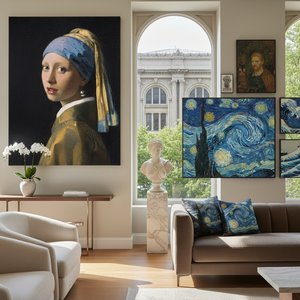
Objavte top 25 diel Metropolitného múzea umenia v New Yorku! Prežite príbehy Van Gogha, Moneta a ďalších majstrov. Reprodukcie obrazov pre váš interiér – luxusné dekorácie na BuyPopArt.com.
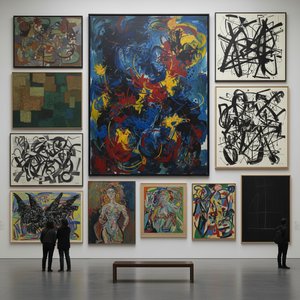
Ponorte sa do sveta abstraktného expresionizmu s Pollockom, Rothkom a ďalšími majstrami. Objavte príbehy za 10 ikonických diel, techniky a farby, ktoré definovali toto revolučné umenie. Kvalitné reprodukcie na BuyPopArt.com.

Ponorte sa do sveta geometrickej abstrakcie! Objavte 10 majstrovských diel od Mondriana, Kandinského a ďalších. História umenia, techniky a farebné kompozície na BuyPopArt.com – reprodukcie obrazov pre váš domov.

Objavte top 25 diel Paula Kleeho – od expresionistických kompozícií po abstraktné farebné svety. Prežite príbeh umelca, techniky a nadčasovej krásy. Kvalitné reprodukcie obrazov pre váš interiér na BuyPopArt.com.


Zostaňte v obraze s najnovšími správami zo sveta umenia, exkluzívnymi ponukami a nápormi na dekoráciu.
Povedzte nám o svojom projekte a naši odborníci na umenie vám pripravia 3 personalizované návrhy umeleckých diel.
Nechajte si od nás vybrať 3 možnosti priamo pre vás – zadarmo!


 Preview
 Odoslať
 Zdieľať
 Podrobnosti o dielo

 Stiahnuť
 Podobné diela
 RTG skúška
 Prezentácia
 Zobraziť viac
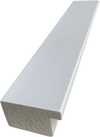
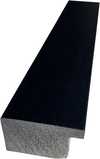
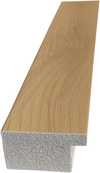
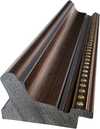
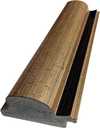
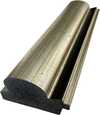
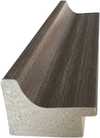
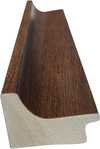
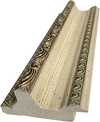
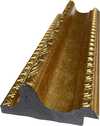
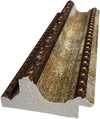
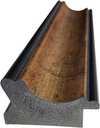
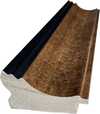
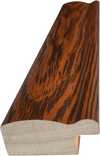
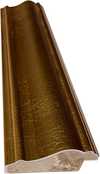
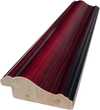
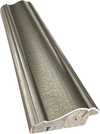
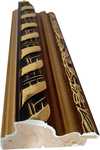
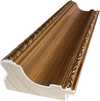
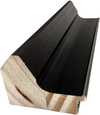
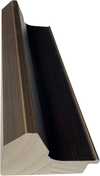
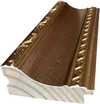
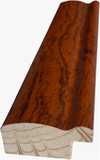
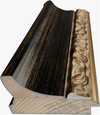
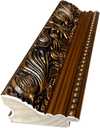
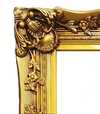
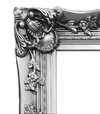
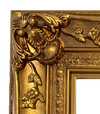
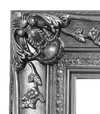
 Možnosť skla je dostupná len pri rozmeroch pod 110 cm


