Giclée tlač alebo plátno múzeálnej kvality s rýchlou výrobou a flexibilnými možnosťami povrchovej úpravy. ( Kúpiť ručne maľovaný obraz Kúpiť obrázok)





























Vyberte si z našich preddefinovaných rozmerov, ktoré zodpovedajú pôvodným pomeroḿ diela.

Môžete zadať vlastné rozmery, aby sa reprodukcia prispôsobila konkrétnemu rámu alebo priestoru. Ak zvolená veľkosť nebude zodpovedať proporciám originálu, dielo buď orežeme, alebo obraz rozšírime pomocou zrkadlenia či farebného doplnenia okrajov. Pred začatím výroby vám pošleme digitálnu ukážku na schválenie.
Máte na vedomí, že náhľad na obrazovke neodzrkadľuje skutočné orezanie alebo rozšírenie. Len digitálna ukážka presne zobrazí finálnu kompozíciu.
Hoci sú k dispozícii vlastné rozmery, pre zachovanie pôvodných proporcií odporúčame vybrať si rozmer z vopred definovaného zoznamu.
Celosvetová doprava () do 2 týždňov namiesto štandardných 4/5 týždňov. (12 august)


Composition
Veľkosť reprodukcie
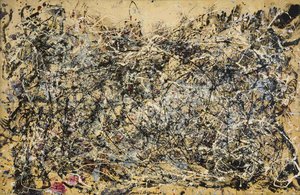
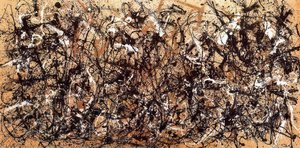
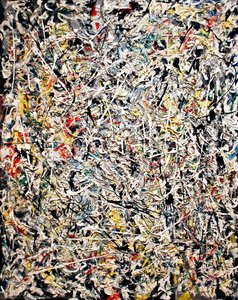
Paul Jackson Pollock’s “Composition” stands as a cornerstone of Abstract Expressionism, encapsulating the movement's core tenets – spontaneity, gesture, and an uncompromising exploration of emotion. Executed in 1949, this monumental drip painting transcends mere pigment application; it’s a visceral embodiment of artistic liberation.
Pollock pioneered the “drip technique,” abandoning traditional brushstrokes for a revolutionary method where paint was flung or dripped onto canvas laid horizontally. This process, meticulously documented by Lee Krasner, his collaborator and wife, wasn’t about precise control but rather embracing chance encounters between pigment and surface. The resulting textured expanse resembles geological formations—a deliberate echo of the American West landscapes that profoundly influenced Pollock's formative years.
Born in Cody, Wyoming, in 1912, Pollock emerged during a period of seismic change within the art world. The Second World War fueled anxieties about artistic tradition and spurred artists to seek new forms of expression. Rejecting Cubism’s fragmentation and Surrealism's dreamlike imagery, Pollock aligned himself with fellow pioneers like Willem de Kooning and Franz Kline, forging a path toward unfiltered emotion and subconscious exploration—a reaction against the perceived constraints of European art.
The painting’s color scheme is deliberately muted yet impactful. Dominant hues of blue and white intertwine with splashes of red and black, creating a dynamic interplay that defies easy categorization. These colors aren't merely decorative; they resonate with psychological associations—blue representing tranquility and contemplation alongside melancholy, while red embodying passion and urgency. The deliberate asymmetry contributes to the artwork’s unsettling beauty.
"Composition" isn't simply a visual spectacle; it aims to evoke a profound emotional response in the viewer. Pollock sought to capture what he termed “the sublime”—that feeling of awe and terror experienced when confronted with overwhelming grandeur or power. The painting’s chaotic surface invites contemplation, prompting viewers to grapple with questions of existence and artistic intention. Like other masterpieces from SFMOMA's collection, it continues to inspire collectors and interior designers alike.

1912 - 1956 , Spojené štáty americké

Explore the revolutionary art of Jackson Pollock & Abstract Expressionism. Discover his iconic drip paintings, lasting impact, and considerations for collecting this pivotal American artist. Expert insights at BuyPopArt.
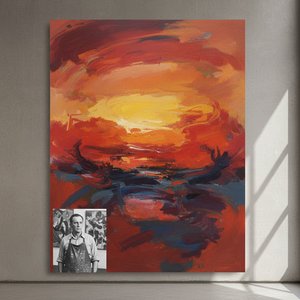
Explore the life & work of Jacob Kainen, a pivotal figure in American Abstract Expressionism and Color Field painting. Discover his journey from Social Realism to vibrant abstraction and lasting influence on 20th-century art.

Transform your cherished travel photos into timeless oil paintings with expert artists at BuyPopArt.com. Museum-quality reproductions & custom portraits – preserve your memories beautifully.

Commission breathtaking bespoke fantasy art with skilled oil painters. Explore techniques, artist selection & preservation tips. Invest in a unique masterpiece today!

Objavte top 10 legendárnych olejomaľieb, ktoré zmenili svet umenia! Pozrite sa na príbehy Van Gogha, Moneta a Rembrandta. Reprodukcie obrazov pre váš interiér – BuyPopArt.sk


Zostaňte v obraze s najnovšími správami zo sveta umenia, exkluzívnymi ponukami a nápormi na dekoráciu.
Povedzte nám o svojom projekte a naši odborníci na umenie vám pripravia 3 personalizované návrhy umeleckých diel.
Nechajte si od nás vybrať 3 možnosti priamo pre vás – zadarmo!


 Náhľad
 Odoslať
 Zdieľať
 Podrobnosti o dielo

 Stiahnuť
 Podobné diela
 RTG skúška
 Prezentácia
 Zobraziť viac







 Možnosť skla je dostupná len pri rozmeroch pod 110 cm