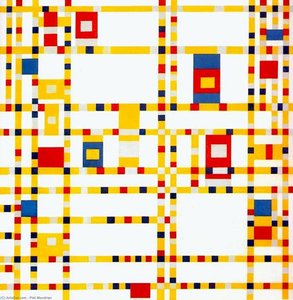
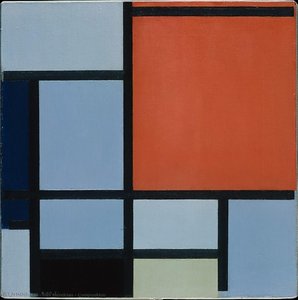
Giclée tlač alebo plátno múzeálnej kvality s rýchlou výrobou a flexibilnými možnosťami povrchovej úpravy. ( Kúpiť ručne maľovaný obraz Kúpiť obrázok)





























Vyberte si z našich preddefinovaných rozmerov, ktoré zodpovedajú pôvodným pomeroḿ diela.

Môžete zadať vlastné rozmery, aby sa reprodukcia prispôsobila konkrétnemu rámu alebo priestoru. Ak zvolená veľkosť nebude zodpovedať proporciám originálu, dielo buď orežeme, alebo obraz rozšírime pomocou zrkadlenia či farebného doplnenia okrajov. Pred začatím výroby vám pošleme digitálnu ukážku na schválenie.
Máte na vedomí, že náhľad na obrazovke neodzrkadľuje skutočné orezanie alebo rozšírenie. Len digitálna ukážka presne zobrazí finálnu kompozíciu.
Hoci sú k dispozícii vlastné rozmery, pre zachovanie pôvodných proporcií odporúčame vybrať si rozmer z vopred definovaného zoznamu.
Celosvetová doprava () do 2 týždňov namiesto štandardných 4/5 týždňov. (15 august)


Forest
Veľkosť reprodukcie
Piet Mondrian's early artistic explorations were rooted in the traditions of Dutch landscape painting, influenced by luminism and Impressionism. Yet, even amidst these formative influences, a subtle yearning for simplification persisted—a desire to distill nature’s essence into its purest form. *Woods near Oele*, painted in 1908, stands as a pivotal piece during this transitional phase, marking Mondrian's nascent departure from representational art and foreshadowing his groundbreaking embrace of abstraction.
Like many Dutch artists of the time—Jan Toorop and Jan Sluijters—Mondrian initially studied nature diligently, mastering technique while simultaneously searching for something beyond mere visual depiction. The Hague School’s meticulous observation of light and color served as a crucial foundation for his developing aesthetic sensibilities. However, Mondrian wasn't merely mirroring the world; he sought to capture its underlying harmony and rhythm – a quest that would ultimately propel him toward radically new artistic horizons.
Early experiments with Pointillism and Fauvism exposed Mondrian to diverse approaches to color and form, each offering valuable insights into expressive possibilities. Yet, none fully satisfied his burgeoning artistic vision. He recognized the limitations of Impressionist techniques in conveying deeper emotional truths—a realization that fueled his determination to forge a path distinct from established conventions.
This canvas embodies Mondrian's initial foray into abstraction, characterized by bold vertical and diagonal lines – a stylistic precursor to his iconic De Stijl style. The painting captures the serene beauty of the Oele forest, rendered with careful attention to texture and tonal gradation. Notably, it reflects influences from luminism and Impressionism, demonstrating Mondrian’s ongoing engagement with traditional artistic methods while simultaneously hinting at his impending embrace of geometric abstraction.
The composition is balanced and harmonious, reflecting Mondrian’s belief in universal order. The muted color palette contributes to the painting’s tranquil atmosphere—a deliberate choice that underscores its role as a stepping stone toward his revolutionary style. *Woods near Oele* isn’t merely a landscape; it's an emblem of Mondrian’s artistic journey – a testament to his unwavering pursuit of simplification and geometric precision.
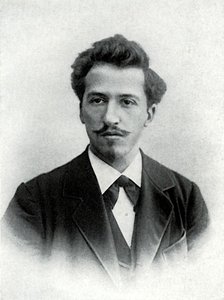
1872 - 1944 , Holandsko

Discover the power of Neo-Abstract art. Explore how bold geometric forms and high-impact visual energy are redefining modern design. Learn to curate sophisticated, high-energy spaces with the latest trends in contemporary abstraction and structural color.

Discover the high-impact world of Geometric Abstraction. From Cubist roots to modern urban trends, explore how bold shapes and colors redefine contemporary design. Elevate your space with expert art insights and custom-made abstract masterpieces.


Zostaňte v obraze s najnovšími správami zo sveta umenia, exkluzívnymi ponukami a nápormi na dekoráciu.
Povedzte nám o svojom projekte a naši odborníci na umenie vám pripravia 3 personalizované návrhy umeleckých diel.
Nechajte si od nás vybrať 3 možnosti priamo pre vás – zadarmo!


 Náhľad
 Odoslať
 Zdieľať
 Podrobnosti o dielo

 Stiahnuť
 Podobné diela
 RTG skúška
 Prezentácia
 Zobraziť viac







 Možnosť skla je dostupná len pri rozmeroch pod 110 cm