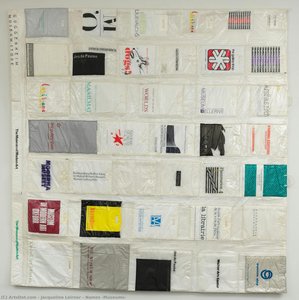
1978
1978 50.0 x 35.0 cm
 American University of Beirut
Kúpte si digitálnu snímku vo vysokom rozlíšení s vylepšenými detailmi, ktorá je oveľa kvalitnejšia než online náhľad.
Každý súbor starostlivo pripravujú naši interní špecialisti pomocou pokročilých nástrojov a odborného manuálneho retušovania. Zabezpečujeme, aby každý obrázok disponoval výnimočnou čistotou, presnou farebnou vernosťou a jemnými detailmi.
Konečný súbor vám bude doručený e-mailom do 72 hodín, optimalizovaný pre okamžité použitie v profesionálnom, redakčnom aj tlačovom prostredí. Ide o rovnakú kvalitu, ktorej dôverajú špičkové dizajnérske štúdiá, vydavateľstvá a galérie.
Stiahnite si vysokorozlíšený súbor na osobné zobrazovanie, tlačenie a kreatívne projekty. ( Kúpiť tlač Kúpiť ručne maľovaný obraz)
Keď si vyberiete BuyPopArt.com, nedostávate len obrázok – získate profesionálne upravené digitálne umenie, vytvorené s precíznosťou a so zárukou vašej maximálnej spokojnosti. Tu je všetko, čo je súčasťou vašej objednávky automaticky:

Vaša vysokorozlíšená digitálna súprava obrázkov vám bude zaslaná e-mailom do 72 hodín od objednávky – pripravená na okamžité použitie.

Vaše dielo je profesionálne optimalizované pomocou pokročilých nástrojov umelej inteligencie a manuálnej editácie, čo zaručuje maximálnu úroveň detailov, čistotu a presnosť farieb.

Náhodou ste zmazali alebo ste stratili svoj súbor? Nebavžte sa – pošleme vám ho kedykoľvek znova, úplne bez poplatkov.

Užite si svoje umelodelo okamžite bez colných poplatkov, daní alebo nákladov na dopravu – digitálne stiahnutia sú vždy oslobodené od dane.

Pomocou profesionálnych nástrojov a farebného manažmentu zabezpečujeme, aby vaša digitálna fotografia čo najpresnejšie odrážala pôvodné farby.

Ak nebudete spokojní so svojou digitálnou fotografiou, upravíme ju alebo vám vrátime 100% v priebehu 60 dní – bez zbytočných otázok.

Nie ste spokojní? Získajte plnú náhradu peňazí do 60 dní od prijatia vášho digitálneho súboru – bez zbytočných otázok.

Kúpte si 3 obrazy, ušetrite 10% - Kúpte si 5, ušetrite 15% - Kúpte si 10+, ušetrite 20%. Ideálne pre kreatívne projekty, galérie a agentúry.
Rafic Charaf (1932–2003) stands as a pivotal figure in the development of modern Lebanese art, a painter whose work resonated deeply with both the social and political realities of his nation and the enduring spirit of its folklore. Born in Baalbek, a region steeped in ancient history and layered cultural traditions, Charaf’s artistic journey was shaped by a rich heritage that manifested in a distinctive style characterized by poetic abstractions. His canvases often blended sociopolitical commentary with elements of autobiography and vibrant folk art, offering a compelling narrative of an artist deeply connected to his roots and committed to portraying the complexities of Lebanese identity.
His early years were spent in a modest village setting, far removed from the established artistic circles of Beirut. Despite this isolation, he cultivated a keen eye for observation, capturing scenes of daily life and the surrounding landscape on scraps of paper—a habit that would later inform his distinctive visual language. Crucially, his family’s background as blacksmiths instilled in him a profound respect for craftsmanship and an appreciation for the transformative power of materials. This early exposure to both manual labor and artistic expression laid the groundwork for his future explorations of form and texture, creating a bridge between the tactile reality of his upbringing and the ethereal nature of his later abstractions.
Charaf’s formal education began at the Académie Libanaise des Beaux-Arts (ALBA) in Beirut, where he honed his technical skills and developed a foundational understanding of Western art traditions. His talent eventually earned him prestigious scholarships that allowed him to expand his horizons far beyond the Levant. From 1955 to 1957, he studied at the Real Academia de Bellas Artes de San Fernando in Madrid, an experience that significantly impacted his palette and perspective. During this Spanish period, his work often reflected a more somber, melancholic tone, featuring muted colors and landscapes crisscrossed by wires and dead trees—a reflection of a bleak perception of life rooted in his difficult childhood.
The artist's pursuit of mastery continued in Italy, where he attended the Pietro Vanucci Academy in Perugia around 1960. This period of international study allowed him to synthesize various European influences with his Middle Eastern sensibilities. While his technical training was rooted in academic excellence, Charaf’s artistic heart remained tethered to the evocative depictions of mythology and folklore found in the works of Syrian artist Abou Subhi al Tinawi. This blend of Western technique and Eastern storytelling became the cornerstone of his mature style.
As Charaf returned to Beirut, his work underwent a transformative evolution. During the vibrant 1960s, his paintings began to move away from the starker landscapes of his youth toward more expressive and whimsical forms. In many of these works, one can observe simple forms rendered with visible, expressive brushstrokes alongside large planes of flat color, foreshadowing the signature abstraction that would define his career. His art became a tapestry of memory and social observation, where the boundaries between the personal and the political often blurred.
His contributions to the Lebanese art scene were both prolific and influential:
Ultimately, the work of Rafic Charaf remains a testament to the resilience of the human spirit and the power of art to navigate through periods of profound change. Through his poetic abstractions, he captured not just the landscape of Lebanon, but the very soul of its people, leaving behind a legacy that continues to inspire awe and reflection in the contemporary art world.

1932 - 2003 , Lebanon


Zostaňte v obraze s najnovšími správami zo sveta umenia, exkluzívnymi ponukami a nápormi na dekoráciu.
Povedzte nám o svojom projekte a naši odborníci na umenie vám pripravia 3 personalizované návrhy umeleckých diel.
Nechajte si od nás vybrať 3 možnosti priamo pre vás – zadarmo!


 Náhľad
 Odoslať
 Zdieľať
 Podrobnosti o dielo

 Stiahnuť
 Podobné diela
 RTG skúška
 Prezentácia
 Zobraziť viac