

Giclée tlač alebo plátno múzeálnej kvality s rýchlou výrobou a flexibilnými možnosťami povrchovej úpravy. ( Kúpiť ručne maľovaný obraz Kúpiť obrázok)





























Vyberte si z našich preddefinovaných rozmerov, ktoré zodpovedajú pôvodným pomeroḿ diela.

Môžete zadať vlastné rozmery, aby sa reprodukcia prispôsobila konkrétnemu rámu alebo priestoru. Ak zvolená veľkosť nebude zodpovedať proporciám originálu, dielo buď orežeme, alebo obraz rozšírime pomocou zrkadlenia či farebného doplnenia okrajov. Pred začatím výroby vám pošleme digitálnu ukážku na schválenie.
Máte na vedomí, že náhľad na obrazovke neodzrkadľuje skutočné orezanie alebo rozšírenie. Len digitálna ukážka presne zobrazí finálnu kompozíciu.
Hoci sú k dispozícii vlastné rozmery, pre zachovanie pôvodných proporcií odporúčame vybrať si rozmer z vopred definovaného zoznamu.
Celosvetová doprava () do 2 týždňov namiesto štandardných 4/5 týždňov. (20 august)


Updating Yamantaka
Veľkosť reprodukcie
Tenzing Rigdol's "Updating Yamantaka" isn't merely a painting; it’s an arresting collision of ancient Tibetan iconography and contemporary unease. Created in 2010, this work transcends the boundaries of traditional thangka art, forcing us to confront uncomfortable truths about power, death, and the unsettling ways they intersect within our world. At first glance, the composition appears deceptively serene – a vibrant tapestry woven with pastel hues, intricate textile patterns reminiscent of Tibetan prayer rugs, and the solemn script of sacred texts. However, a closer examination reveals a deliberate subversion of established artistic conventions, culminating in an image that is both profoundly unsettling and intellectually stimulating.
The central figure, Yamantaka – the Lord of Death and King of the Law within the Tibetan Buddhist tradition – dominates the canvas. Traditionally depicted astride a buffalo relentlessly pursuing a human victim, symbolizing the inescapable cycle of life and death, Rigdol’s interpretation diverges dramatically. The anonymous, everyman figure representing the sacrificed individual is replaced with the unmistakable face of Osama bin Laden. This jarring juxtaposition isn't gratuitous; it serves as a potent metaphor for the anxieties of the 21st century – a world grappling with global terrorism, political instability, and the pervasive sense that ancient philosophical concepts are suddenly rendered terrifyingly relevant.
Rigdol’s artistic approach is deeply rooted in his Tibetan heritage, yet he doesn't simply replicate traditional styles. He masterfully blends these established techniques with elements of contemporary art, incorporating influences from American Sign Language (ASL) – a subtle nod to his dual identity as a Tibetan-American artist – and personal iconography that speaks to his own experiences. The deliberate layering of sacred text alongside the unsettling image of bin Laden creates a dynamic tension, suggesting a critical engagement with both spiritual and secular realms. The use of pastel colors, typically associated with serenity and spirituality, is deliberately juxtaposed against the stark reality presented by the central figure, amplifying the work’s emotional impact.
Born in Kathmandu, Nepal, in 1982, Rigdol's upbringing was shaped by his family’s displacement from Tibet. This personal history profoundly informs his artistic practice, fueling a desire to explore themes of cultural identity, exile, and the enduring legacy of tradition. His work is not simply an aesthetic exercise; it’s a deeply considered meditation on the complexities of navigating multiple worlds and grappling with profound questions about mortality and morality.
The symbolism within “Updating Yamantaka” operates on multiple levels. The buffalo, traditionally representing relentless pursuit and destruction, embodies the forces of chaos and violence that threaten to overwhelm human existence. Yamantaka himself represents the inevitable cycle of death and rebirth, a concept central to Buddhist philosophy. However, by placing the face of Osama bin Laden upon this figure, Rigdol transforms the traditional symbolism into a commentary on contemporary global conflict. The image becomes a visual representation of how ancient philosophical concepts can be reinterpreted and applied to address modern challenges – suggesting that even seemingly immutable truths are subject to change and re-evaluation.
Furthermore, the inclusion of scripture alongside the unsettling imagery highlights the ongoing dialogue between faith and reason. Rigdol invites us to consider how traditional beliefs can be both comforting and challenging in a world increasingly defined by uncertainty and conflict. The work ultimately compels viewers to confront their own assumptions about power, death, and the role of violence in shaping human destiny.
“Updating Yamantaka” is more than just a striking image; it’s a powerful statement about the interconnectedness of past and present. BuyPopArt offers high-quality reproductions that faithfully capture the painting's intricate details and emotional depth. Whether you are an art collector, an interior designer seeking to infuse your space with thought-provoking imagery, or simply someone captivated by this unique work, a reproduction of “Updating Yamantaka” is a compelling addition to any collection – a reminder of the enduring relevance of ancient wisdom in our rapidly changing world.


1982 - , Nepal
Objavte top 25 diel Metropolitného múzea umenia v New Yorku! Prežite príbehy Van Gogha, Moneta a ďalších majstrov. Reprodukcie obrazov pre váš interiér – luxusné dekorácie na BuyPopArt.com.
Ponorte sa do sveta Jamesa Abbotta McNeilla Whistlera! Objavte 25 ikonických diel amerického impresionistu – portréty, Nocturnes a farebné harmónie. Kúpiť reprodukcie obrazov pre luxusný interiér na BuyPopArt.com.
Objavte top 25 diel Národnej galérie umenia vo Washingtone! Prežite príbehy Cézanna, Matissea a Picassa. Reprodukcie obrazov pre luxusný interiér na BuyPopArt.com – múzejná kvalita a inšpirácia pre váš domov.
Objavte top 25 majstrovských diel Detroit Institute of Arts! Van Gogh, Monet, Rembrandt a ďalší. Inšpirujte sa umením pre váš domov a kúpite kvalitné reprodukcie obrazov na BuyPopArt.com.
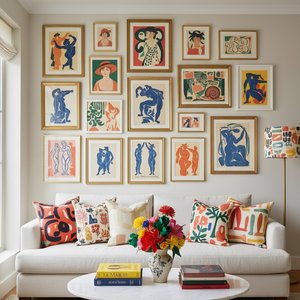
Ponorte sa do sveta Henriho Matissea s našou exkluzívnou kolekciou 25 ikonických diel. Objavte príbehy za fauvizmom, farebnými kompozíciami a moderným umením. Reprodukcie obrazov pre luxusný interiér na BuyPopArt.com – preskúmajte celý katalóg online!


Zostaňte v obraze s najnovšími správami zo sveta umenia, exkluzívnymi ponukami a nápormi na dekoráciu.
Povedzte nám o svojom projekte a naši odborníci na umenie vám pripravia 3 personalizované návrhy umeleckých diel.
Nechajte si od nás vybrať 3 možnosti priamo pre vás – zadarmo!


 Náhľad
 Odoslať
 Zdieľať
 Podrobnosti o dielo

 Stiahnuť
 Podobné diela
 RTG skúška
 Prezentácia


 Zobraziť viac







 Možnosť skla je dostupná len pri rozmeroch pod 110 cm


