

Giclée tlač alebo plátno múzeálnej kvality s rýchlou výrobou a flexibilnými možnosťami povrchovej úpravy. ( Kúpiť ručne maľovaný obraz Kúpiť obrázok)





























Vyberte si z našich preddefinovaných rozmerov, ktoré zodpovedajú pôvodným pomeroḿ diela.

Môžete zadať vlastné rozmery, aby sa reprodukcia prispôsobila konkrétnemu rámu alebo priestoru. Ak zvolená veľkosť nebude zodpovedať proporciám originálu, dielo buď orežeme, alebo obraz rozšírime pomocou zrkadlenia či farebného doplnenia okrajov. Pred začatím výroby vám pošleme digitálnu ukážku na schválenie.
Máte na vedomí, že náhľad na obrazovke neodzrkadľuje skutočné orezanie alebo rozšírenie. Len digitálna ukážka presne zobrazí finálnu kompozíciu.
Hoci sú k dispozícii vlastné rozmery, pre zachovanie pôvodných proporcií odporúčame vybrať si rozmer z vopred definovaného zoznamu.
Celosvetová doprava () do 2 týždňov namiesto štandardných 4/5 týždňov. (17 august)


Frances Arnold
Veľkosť reprodukcie
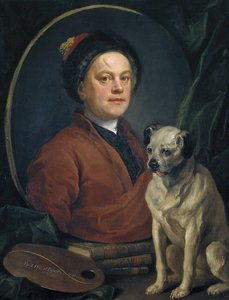
William Hogarth, born in London in 1697, stands as a pivotal figure in English art history—a painter who simultaneously championed realism and satiric critique. His oeuvre transcends mere visual representation; it's a meticulously crafted chronicle of the social landscape of his era, capturing both its grandeur and its hypocrisy with unflinching honesty.
Frances Arnold exemplifies Hogarth’s distinctive approach to portraiture during the Rococo period. Unlike the opulent embellishments favored by aristocratic patrons, Hogarth eschews excessive ornamentation, opting instead for a restrained palette dominated by soft pastel hues—primarily yellows and creams—that imbue the scene with an atmosphere of warmth and tranquility. This deliberate choice underscores Hogarth’s humanist sensibility, prioritizing psychological insight over superficial grandeur.
Beyond its aesthetic qualities, Frances Arnold speaks volumes about the social milieu of Hogarth’s time. The inclusion of musical instruments—a lute and a harp—and books symbolizes Arnold’s education and intellectual pursuits, aligning with Hogarth's fascination in portraying individuals from diverse backgrounds and demonstrating an understanding of societal values.
The painting’s impact extends beyond its depiction of a single woman; it serves as a microcosm of Rococo ideals – beauty, refinement, and moral contemplation. It invites viewers to consider the complexities of human character and the role of art in shaping perceptions of social status.
Hogarth’s masterful execution is achieved through meticulous oil painting techniques. He skillfully blended pigments to create subtle gradations of color, capturing the nuances of light and shadow with remarkable accuracy. The layering process ensured that each brushstroke contributed to a textured surface that conveyed both visual richness and tactile depth.
Frances Arnold is firmly rooted in the Rococo movement—a stylistic reaction against the formality of Baroque art—which flourished in Britain during the reign of Queen Anne (1702-1714). The Rococo aesthetic prioritized lightness, grace, and decorative embellishment, reflecting a shift towards aristocratic leisure and artistic patronage. Hogarth’s work stands apart from its contemporaries by grounding itself in observable reality.
The painting's visual elements—the woman’s attire, her serene demeanor, and the surrounding objects—are laden with symbolic significance. They embody Rococo ideals of beauty and virtue, representing Arnold as an exemplar of feminine grace and intellectual refinement.
Ultimately, Frances Arnold transcends mere portraiture; it evokes a feeling of quiet contemplation—a subtle invitation to appreciate the beauty of human experience. Hogarth’s ability to convey emotion through visual means underscores his enduring legacy as one of England's most perceptive and influential artists.
1697 - 1764 , Spojené kráľovstvo

Discover how Victorian botanical art is transforming modern spaces. Explore high-impact floral aesthetics, from Marianne North's tropical drama to bold, hand-painted reproductions that bring vintage scientific beauty into contemporary urban design.


Zostaňte v obraze s najnovšími správami zo sveta umenia, exkluzívnymi ponukami a nápormi na dekoráciu.
Povedzte nám o svojom projekte a naši odborníci na umenie vám pripravia 3 personalizované návrhy umeleckých diel.
Nechajte si od nás vybrať 3 možnosti priamo pre vás – zadarmo!


 Náhľad
 Odoslať
 Zdieľať
 Podrobnosti o dielo

 Stiahnuť
 Podobné diela
 RTG skúška
 Prezentácia
 Zobraziť viac







 Možnosť skla je dostupná len pri rozmeroch pod 110 cm


