Ročno slikano olje na platnu v vaši izbiri velikosti in okvirja, izdelano po naročilu naših umetnikov. ( Switch to Print Preklop na sliko)





























Izberite eno od naših vnaprej določenih velikosti, ki ustrezajo prvotnim proporcijam umetničkega dela.

Svoje dimenzije lahko vnesete tako, da se prilagodite določenemu okvirju ali prostoru. Če izbrana velikost ne ustreza razmerjem originalne slike, bomo umetniško delo obrezali ali sliko dopolnili z dodatnimi ročno naslikanimi elementi. Pred začetkom proizvodnje vam bo poslan digitalni osnutek v odobritev.
Upoštevajte, da predogled na zaslonu ne odraža dejanskega obrezovanja ali podaljšanja. Le osnutek bo natančno prikazal končno kompozicijo.
Čeprav so na voljo velikosti po meri, priporočamo izbiro dimenzije s preddefiniranega seznama, da ohranimo originalne razmere.
Svetska dostava () za 3/4 nedelje umesto uobičajenih 5 nedelja. (10 avgust). Bez kompromisa po pitanju kvaliteta.


Ali
Velikost reprodukcije
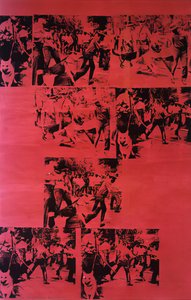
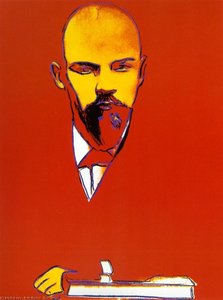
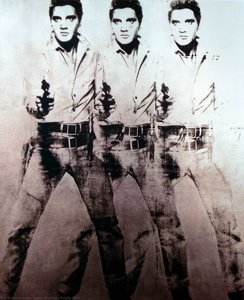
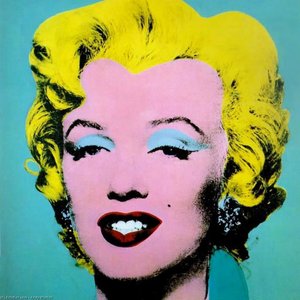
Andy Warhol’s “Ali,” painted in 1964, stands as a quintessential emblem of Pop Art—a movement that irrevocably shattered the conventions of fine art and ushered in an era defined by its engagement with popular culture. More than just a depiction of a boxer's arm clutching a red glove, it embodies Warhol’s revolutionary approach to artistic representation: stripping away illusionistic depth and embracing vibrant hues as primary vehicles for conveying emotion and meaning.
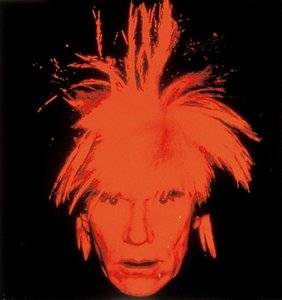
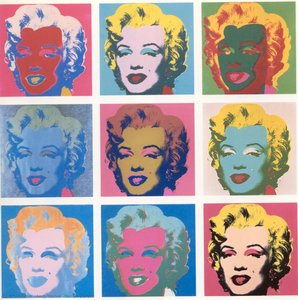
Warhol’s technique—silkscreen printing—was deliberately chosen to mimic the repetitive processes of mass production. Utilizing photographic images sourced from magazines, he meticulously transferred them onto canvases coated with emulsion paint. Then, through a series of screens imprinted with halftone dots – tiny circles that create a mottled effect – Warhol applied layers of pigment in bold blocks of color. This method wasn’t merely efficient; it was conceptually significant—demonstrating Warhol's belief that art could derive its power from mirroring the visual language of advertising and everyday life.
The painting’s historical context is inextricably linked to the burgeoning optimism of the mid-1960s, a period marked by social upheaval yet simultaneously fueled by unprecedented economic prosperity. Warhol positioned himself at the forefront of this cultural transformation, capturing the zeitgeist—the spirit of the age—with unflinching precision. “Ali” reflects the fascination with celebrity and spectacle that characterized the era, elevating the seemingly mundane image of a boxer’s hand to monumental proportions.
Symbolically, the red glove serves as a potent emblem of aggression and protection – mirroring the physical confrontation inherent in boxing but also representing Warhol's desire to safeguard his artistic vision amidst criticism from established art critics. The stark blue background amplifies the impact of the crimson hue, creating a dynamic interplay between color that underscores the painting’s emotional intensity.
Ultimately, “Ali” transcends its literal subject matter to resonate with viewers on a profound level. Warhol's masterful manipulation of color and texture compels us to confront questions about perception, representation, and the relationship between art and commerce. It remains an enduring testament to Pop Art’s audacious challenge to artistic dogma—a celebration of boldness, vibrancy, and the transformative potential of embracing the visual culture of our time.
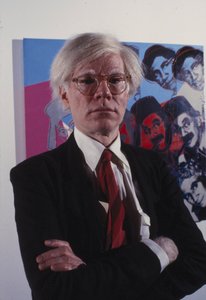
1928 - 1987 , Združene države Amerike
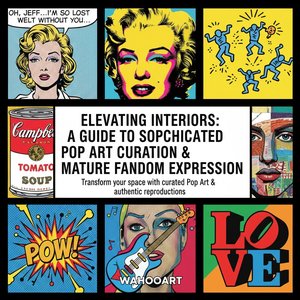
Odkrijte svet pop art umetnosti! Vodnik za sofisticirano kuriranje slik, personalizacijo in integracijo v luksuzni interier. Izrazite svojo strast z unikatnimi deli – od reprodukcij do portretov po naročilu.
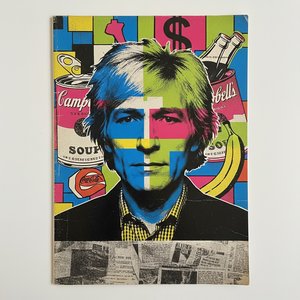
Explore the revolutionary art of Andy Warhol & the Pop Art movement. Discover his iconic techniques, cultural impact, and investment potential. A guide for discerning collectors.
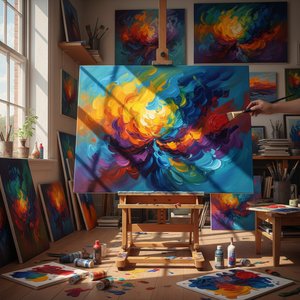
Explore the fascinating relationship between color & emotion in art history. Discover how master artists like Matisse & Gauguin used vibrant hues to evoke feelings and cultural meanings. A deep dive for classic art enthusiasts.
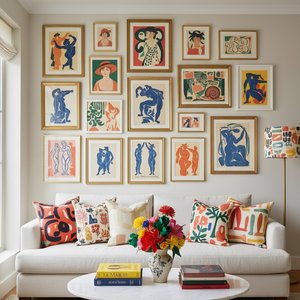
Odkrijte 25 mojstrovskih del Henrija Matissea! Preučite fauvizem, barvite kompozicije in zgodbe za ikoničnimi slikami. Najdite popolno umetniško reprodukcijo za vaš dom na BuyPopArt.com.
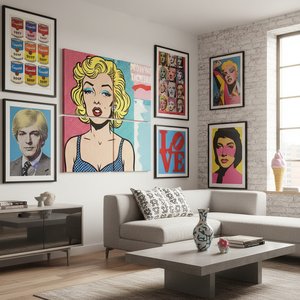
Odkrijte 10 ikoničnih pop art mojstrovin! Preberite zgodbe Andyja Warhola, Roya Lichtensteina in drugih umetnikov. Reprodukcije slik za vaš dom na BuyPopArt.com – navdih & kakovost.


Bodite na sešte, s najnovejšimi novicami iz sveta umetnosti, ekskluzivnimi ponudbami in idejami za dekoracijo.
Povejte nam o svojem projektu in naši strokovnjaki za umetnost vam bodo pripravili 3 prilagojene predloge umetniških del.
Naj vam izberemo 3 možnosti – popolnoma brezplačno!


 Predogled
 Pošlji
 Deli
Deli
 Podrobnosti o delu

 Prenesi
 Podobni izdelki
 Rentgenski posnetek
 Predvajaj diaporama
 Razviljaj več







 Možnost stekla je na voljo le za velikosti pod 110 cm