Kupite digitalno sliko visoke ločljivosti z izboljšano kakovostjo, ki je precej boljša od spletnega predogleda.
Vsaka datoteka je pod natančnim nadzorom naših strokovnjakov, ki uporabljajo napredna orodja in strokovno ročno obdelavo. Zagotovimo, da ima vsaka slika izjemno jasnost, natančnost barv in fine podrobnosti.
Končna datoteka je po e-pošti dostavljena v 72 urah, optimizirana za takojšnjo uporabo v profesionalnem, uredniškem in tiskarskem okolju. To je kakovost, ki ji zaupajo vrhunska oblikovalna studia, založniki in galerije.
Prenesite datoteko visoke ločljivosti za osebno uporabo, tiskanje in kreativne projekte. ( Kupi tisk Kupi ročno naslikano sliko)
Ko izberete BuyPopArt.com, ne prejmete le slike – prejmete digitalno umetniško delo, ki je profesionalno urejeno, izdelano z natančnostostjo in zavestno zagotovljeno z garancijo za zadovoljstvo. Tukaj je vse, kar samodejno prejmete z vašim naročilom:

Vaša digitalna slika visoke ločljivosti bo na vaš e-naslov poslana v roku 72 ur od zaklopa naročila – pripravljena za takojšnjo uporabo.

Vaše umetniško delo je strokovno optimizirano z uporabo naprednih orodij umetne inteligence in ročne obdelave, kar zagotavlja največjo stopnjo podrobnosti, jasnosti in barvne natančnosti.

Ste zaradi nespremietne napake izgubili ali izbrisali svojo datoteko? Ni težav – vam jo bomo ponovno poslali kadar koli in brezplačno.

Uživajte v svojem umetniškem delu takoj, brez carin, davkov ali stroškov dostave – digitalni prenosi so vedno brezdavčni.

Z uporabo profesionalnih orodij in upravljanja barv zagotavljamo, da vaša digitalna slika čim bolj natančno odraža prvotne barve.

Če niste zadovoljni s svojo digitalno sliko, jo bomo uredili ali vam v 60 dneh povrnili 100% denarja – brez kakršnih koli vprašanj.

Niste zadovoljni? Zagovрите popoln povračilo sredstev v 60 dneh po prejemu digitalne datoteke – brez kakršnih koli vprašanj.

Kupite 3 slike, prihranite 10% - Kupite 5 slik, prihranite 15% - Kupite 10+ slik, prihranite 20%. Odlično za kreativne projekte, galerije in agencije.
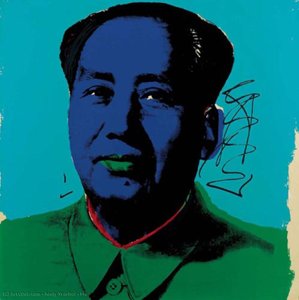
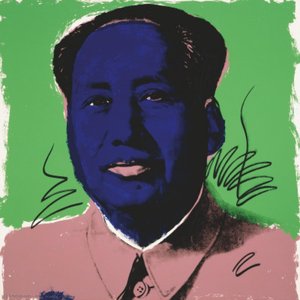
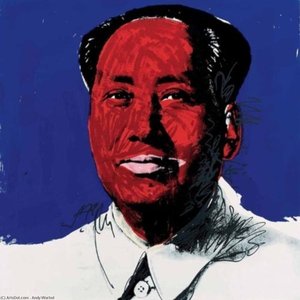
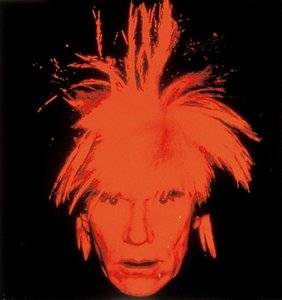
Andy Warhol's series of portraits depicting Chairman Mao Zedong stands as one of the most provocative and intellectually stimulating achievements of Pop Art. Created between 1972 and 1973, these silkscreen prints weren’t merely artistic exercises; they were bold statements about politics, celebrity culture, and the very nature of image-making in the 20th century. The work emerged during a pivotal moment in global affairs – President Richard Nixon's historic visit to China, an event that dramatically shifted Cold War dynamics and opened up a previously inaccessible nation to the West. Warhol, ever attuned to the pulse of contemporary society, seized upon this cultural phenomenon, transforming one of the most recognizable political figures into a subject for his signature style.
Warhol’s technique in the ‘Mao’ series is quintessential Pop. He employed silkscreen printing, a method borrowed from commercial advertising, to reproduce Mao's image repeatedly. The source material was a ubiquitous photograph of Mao widely circulated during China’s Cultural Revolution – an image intended to inspire reverence and obedience. However, Warhol deliberately subverted this intention through vibrant, often unnatural color palettes. He layered hues of pink, blue, and even garish yellows onto the iconic portrait, stripping it of its original ideological weight. This repetition, combined with the bold coloration, transforms Mao from a formidable leader into a consumable commodity, mirroring the mass production and visual saturation that Warhol so keenly observed in American consumer culture. The slight imperfections inherent in the silkscreen process – smudges, misalignments – further emphasize this deconstruction of authority, suggesting the fallibility of even the most powerful images.
The choice of Mao Zedong as a subject is laden with symbolism. Warhol wasn’t necessarily making a political endorsement; rather, he was exploring the parallels between political propaganda and commercial advertising. Both systems rely on the repeated dissemination of images to cultivate belief and desire. By treating Mao like Marilyn Monroe or Campbell's Soup cans, Warhol blurred the lines between high art and popular culture, challenging traditional notions of artistic subject matter. The sheer scale of some versions of ‘Mao’ – particularly the monumental canvases – further amplifies this effect, mimicking the imposing presence of propaganda posters. The work asks us to consider how images shape our perceptions of power, ideology, and celebrity, prompting a critical examination of the forces that govern our visual world. It's a fascinating commentary on the cult of personality, whether it surrounds a political leader or a Hollywood star.
Viewing Warhol’s ‘Mao’ evokes a complex range of emotions. There is an undeniable sense of irony, a playful dismantling of authority that can be both unsettling and liberating. The vibrant colors inject a strange energy into the portrait, creating a visual tension between reverence and irreverence. The work doesn't offer easy answers; instead, it provokes questions about the nature of representation, the power of images, and the relationship between art and politics. ‘Mao’ remains profoundly relevant today, in an era saturated with media and political spin. It serves as a potent reminder to critically examine the images we consume and the messages they convey, solidifying Warhol's place as one of the most influential artists of the 20th century.
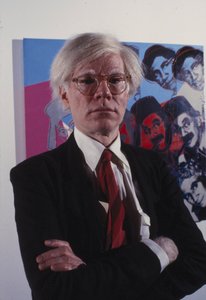
1928 - 1987 , Združene države Amerike


Bodite na sešte, s najnovejšimi novicami iz sveta umetnosti, ekskluzivnimi ponudbami in idejami za dekoracijo.
Povejte nam o svojem projektu in naši strokovnjaki za umetnost vam bodo pripravili 3 prilagojene predloge umetniških del.
Naj vam izberemo 3 možnosti – popolnoma brezplačno!


 Predogled
 Pošlji
 Deli
Deli
 Podrobnosti o delu

 Prenesi
 Podobni izdelki
 Rentgenski posnetek
 Predvajaj diaporama

 Razviljaj več